
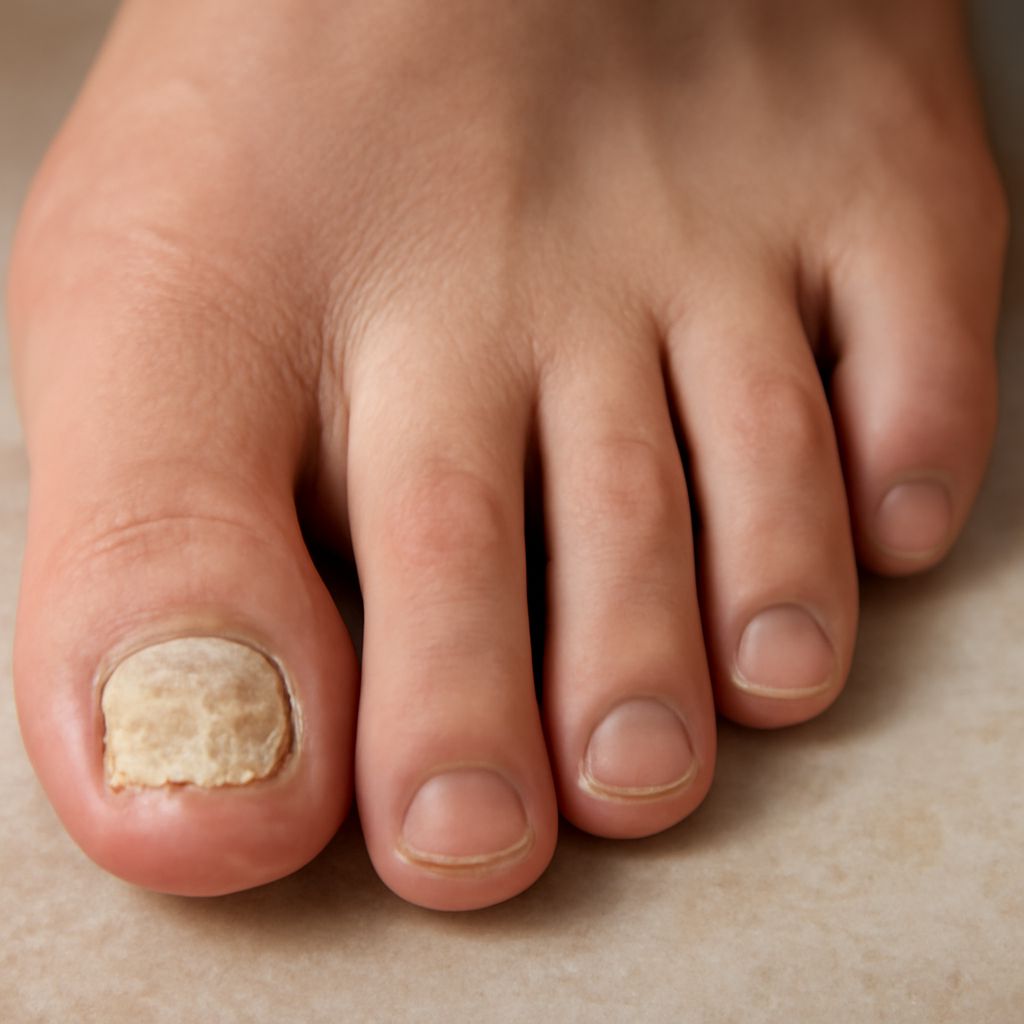
Thick skin under the toenail can be a frustrating and uncomfortable issue. Many individuals experience hard skin around toenails, which may lead to further complications such as dead skin under the toenail. Understanding the causes of this condition is crucial to finding effective solutions. This article explores the various reasons behind thick skin under toenails and provides comprehensive tips for prevention and treatment.
What Causes Thick Skin Under Toenail?
Common Reasons for Thick Skin Under Toenail
Several factors may contribute to the development of thick skin under toenails. Poor foot hygiene is one of the most common reasons. Neglecting regular cleaning can lead to a buildup of dirt and keratin, resulting in hardened skin. Additionally, ill-fitting shoes can create pressure and friction, exacerbating the problem.
Medical Conditions Associated with Thick Skin
Certain medical conditions can also lead to thick skin under toenails. Fungal infections are prevalent and can cause the toenail to thicken and the skin beneath it to become rough. Psoriasis, a chronic skin condition, may affect the toenail bed, leading to similar symptoms. Consulting a healthcare provider for proper diagnosis is essential if you suspect a medical issue.
How to Prevent Hard Skin Around Toenails?
Daily Habits to Maintain Healthy Toenails
Maintaining healthy toenails involves adopting beneficial daily habits. Ensure that your feet are cleaned thoroughly each day, paying special attention to the areas beneath the nails. Regularly trimming and filing your nails can prevent the accumulation of dead skin under toenail areas. Choose comfortable shoes that provide ample room and support to avoid causing undue pressure.
Nutritional Tips for Skin Health
Nutrition plays a crucial role in maintaining skin health, including the skin under toenails. Ensure a balanced diet rich in vitamins and minerals, particularly vitamin E and omega-3 fatty acids, which support skin repair and regeneration. Staying hydrated is equally important, as it helps maintain the elasticity and suppleness of your skin.
What Are the Best Treatments for Dead Skin Under Toenail?
Home Remedies for Dead Skin Under Toenail
Several home remedies can effectively manage dead skin under toenails. Soaking your feet in warm water mixed with Epsom salt or vinegar can soften the skin and aid in its removal. Applying moisturizers or oils, such as coconut oil, can keep the skin hydrated and prevent further buildup.
Professional Treatments to Consider
If home remedies are insufficient, professional treatments may be necessary. Podiatrists offer specialized care, including debridement to remove thickened skin and nail care to address underlying issues. In cases involving fungal infections, antifungal medications may be prescribed for effective treatment.
How to Care for Skin Under Toenail?
Daily Foot Care Routine
A robust foot care routine is vital for maintaining healthy skin under toenails. Begin with a gentle cleanse using a mild soap and lukewarm water, followed by thorough drying to prevent fungal growth. Use a foot file or pumice stone to exfoliate dead skin around toenails regularly. Moisturizing daily with a lotion containing urea can help soften the skin and prevent scaling.
When to See a Specialist
If your attempts to treat thick skin under toenails are unsuccessful, or if you experience pain and discomfort, it may be time to consult a specialist. Persistent issues might indicate a deeper medical concern that requires professional intervention. A podiatrist or dermatologist can offer advice tailored to your specific condition.
Bottom line: Thick skin under toenail areas can be managed with proper care and attention. By understanding the causes and implementing preventative measures, individuals can maintain healthy skin and avoid complications. Always consider consulting a healthcare professional for persistent or severe cases.




Leave a Reply