
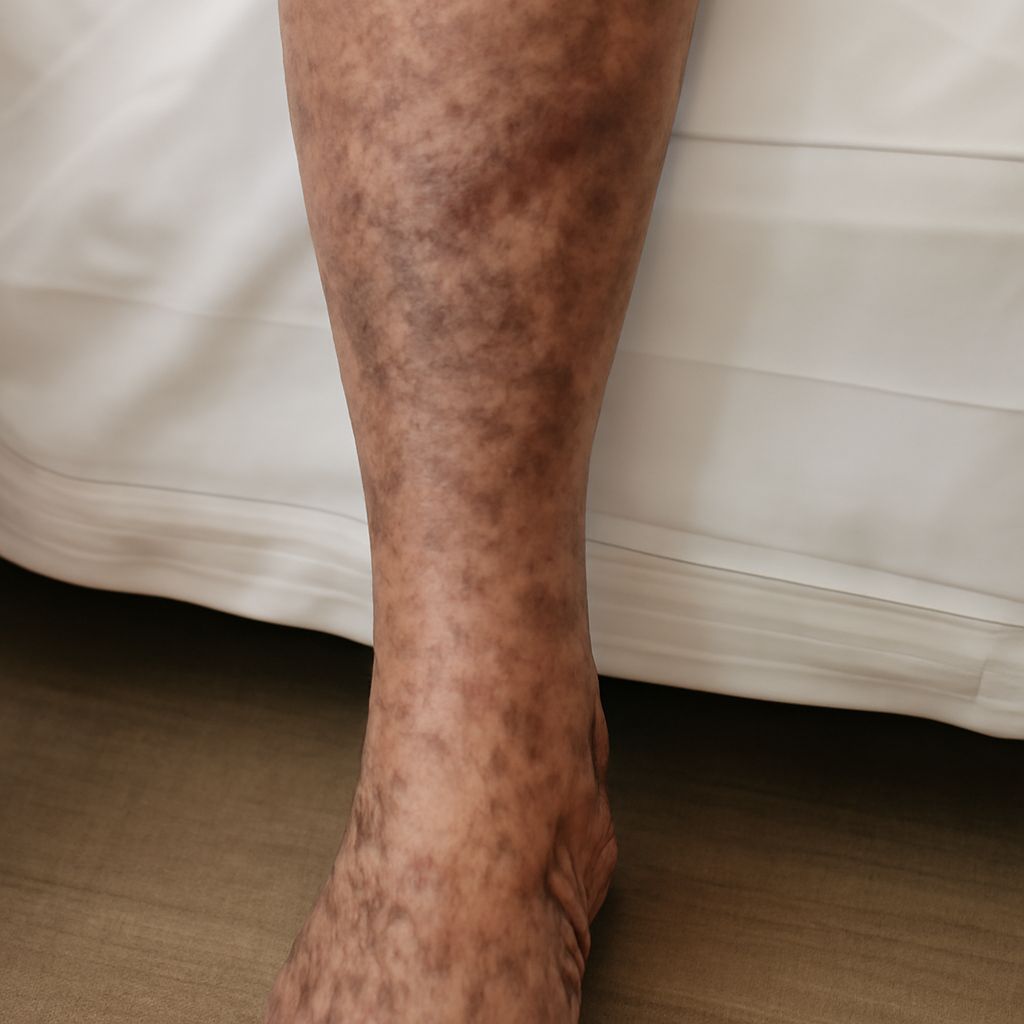
Skin discoloration on the legs can be a perplexing issue for many, often leading to embarrassment and discomfort. Whether it’s dark patches, redness, or uneven skin tone, these changes can impact one’s self-esteem. Understanding the underlying causes, such as leg acne, and identifying effective solutions is crucial. This article explores the causes of brown skin discoloration on the lower legs, provides insights into identifying leg acne, and offers practical solutions for treatment and prevention.
What Causes Skin Discoloration on Legs?
Common Causes of Discoloration
Various factors can lead to skin discoloration on the legs. Hyperpigmentation, resulting from an overproduction of melanin, is a prevalent cause, often seen as dark spots or patches. Sun exposure, hormonal changes, and aging can exacerbate this condition. Injuries, burns, or infections might also lead to uneven pigmentation, creating unsightly marks on the skin.
How Leg Acne Contributes to Discoloration
Leg acne, a less commonly discussed form of acne, can significantly contribute to skin discoloration. Acne lesions on the legs may heal with hyperpigmentation, leaving dark spots or patches. The inflammation associated with acne can cause an increase in melanocyte activity, resulting in discolored areas. Effective management of acne on the legs is essential to prevent such discoloration.
How Can I Identify Leg Acne?
Signs and Symptoms of Acne on Legs
Identifying leg acne involves recognizing specific symptoms. These include small, raised bumps that can be red, white, or skin-colored. Some may be filled with pus, resembling typical acne found on the face or back. The skin around these bumps may be itchy or painful, indicating inflammation.
Differentiating Between Acne and Other Skin Conditions
It’s important to differentiate acne from other skin issues that may appear on the legs, such as folliculitis or eczema. Folliculitis, an inflammation of hair follicles, can mimic acne but usually involves a bacterial or fungal component. Eczema, on the other hand, is characterized by dry, itchy patches rather than pustules. Understanding these differences is crucial for determining the correct treatment approach.
What Are the Treatment Options for Leg Acne and Discoloration?
Medical Treatments for Acne
Medical intervention can be highly effective in treating leg acne. Topical treatments containing benzoyl peroxide or salicylic acid are commonly recommended. These help to reduce inflammation and clear clogged pores. In more severe cases, a dermatologist may prescribe oral antibiotics or retinoids to combat acne-causing bacteria and reduce oil production.
Home Remedies for Skin Discoloration
Home remedies can complement medical treatments in addressing skin discoloration. Natural ingredients like aloe vera and lemon juice can lighten dark spots over time. Aloe vera has soothing properties, while lemon juice’s vitamin C content aids in lightening pigmentation. However, caution is advised when using such remedies, as they may cause irritation, especially on sensitive skin. Conduct a patch test before widespread application.
How Can I Prevent Brown Skin Discoloration on Lower Legs?
Skincare Tips for Healthy Legs
Maintaining healthy skin on the legs involves adopting a consistent skincare routine. Regular exfoliation helps remove dead skin cells and prevent clogged pores, reducing the risk of acne formation. Moisturizing the skin with non-comedogenic products keeps it hydrated and less prone to irritation. Applying sunscreen is crucial to protect against UV-induced discoloration.
Lifestyle Changes to Minimize Discoloration
Adopting certain lifestyle changes can significantly minimize the risk of brown skin discoloration. Wearing loose-fitting clothing made of breathable fabrics can prevent irritation and sweating, which may exacerbate acne. Maintaining a balanced diet rich in vitamins and antioxidants supports overall skin health. Staying hydrated by drinking plenty of water aids in flushing out toxins and maintaining skin elasticity.
Pro Tips Recap: Identify the causes of skin discoloration on legs, and differentiate between acne and other conditions. Use a combination of medical treatments and home remedies for effective management. Implement a consistent skincare routine, and make lifestyle adjustments to prevent future discoloration. Always consider safety, especially when using new skin products, and consult a healthcare professional if persistent issues arise.



Leave a Reply