
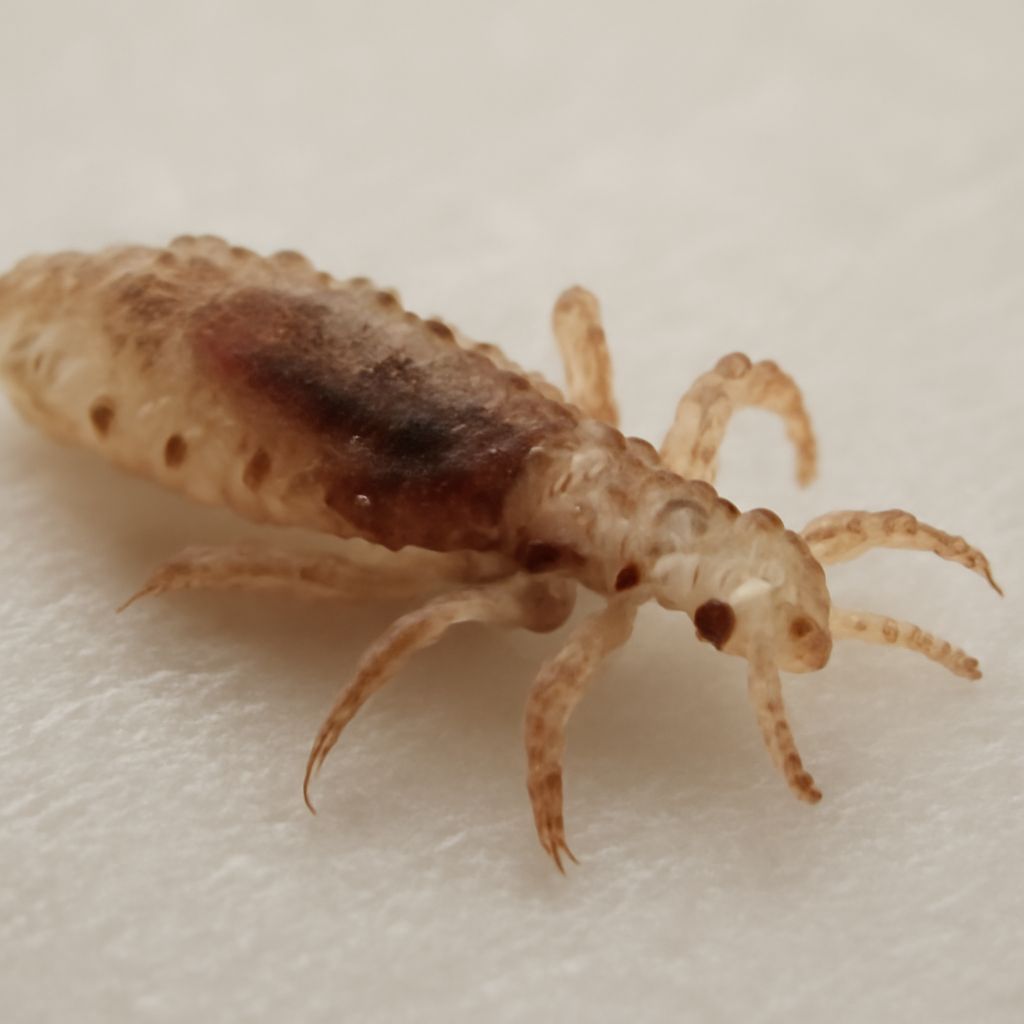
For many, the thought of bugs burrowing under their skin is unsettling. This skin-related issue can lead to discomfort and concern, impacting both physical and emotional well-being. Fortunately, understanding these pests and recognizing the symptoms can lead to effective solutions. By learning about the common bugs under skin and how they affect human health, individuals can better protect themselves and seek appropriate treatment when necessary.
What Are the Common Bugs That Burrow Under Human Skin?
Types of Bugs Under Skin
Several types of bugs are known to burrow into human skin, each with unique characteristics. Scabies mites are one of the most infamous pests, causing an itchy rash as they tunnel under the skin. Chigoe fleas, also known as sand fleas, are another common culprit, embedding themselves into the skin to lay eggs. Additionally, botflies can cause myiasis, a condition where their larvae develop within the skin. Understanding these pests is crucial for recognizing signs of infestation.
How Bugs Burrow Into Skin The method by which bugs burrow into the skin varies among species. Scabies mites, for instance, are transmitted through close physical contact and proceed to dig into the skin to reproduce. Chigoe fleas leap onto the skin from sandy environments and burrow into exposed skin areas. Botflies, on the other hand, rely on other insects like mosquitoes to deposit their larvae, which then penetrate the skin. By understanding these processes, individuals can take steps to minimize exposure.
How Do Bugs Under Skin Affect Human Health?
Symptoms of Bugs in Skin
Identifying the symptoms of skin bugs is essential for timely intervention. Common signs include itching, redness, and swelling at the site of infestation. For scabies, a highly itchy rash is a typical indication. Chigoe flea infestations may result in painful, swollen lesions. Botfly larvae can cause a sensation of movement under the skin, along with soreness and localized swelling. Recognizing these symptoms can help in diagnosing the underlying issue.
Complications from Bugs Burrowing
While the presence of bugs under the skin is distressing, there are potential complications if left untreated. Persistent scratching due to itching can lead to secondary infections. In severe cases, such as with botfly infestations, tissue damage can occur around the larvae site. Additionally, untreated scabies can spread rapidly within communities, increasing the risk of outbreaks. It is crucial to address these infestations promptly to prevent further health issues.
How Can You Identify and Treat Bugs That Burrow Into Skin?
Diagnosing Bugs in Skin
Diagnosing skin infestations often requires a combination of physical examination and medical history. A dermatologist may perform a skin scraping to identify mites or other microscopic pests. Visual inspection and symptom assessment are also crucial in diagnosing conditions caused by skin bugs. For complex cases, imaging techniques might be used to confirm the presence of larvae or other pests. Accurate diagnosis is key to administering the correct treatment.
Treating Bug Infestations The treatment for bug infestations depends on the type of pest and severity of the condition. Scabies treatment typically involves prescription creams or oral medications to eliminate mites. For chigoe fleas, removing the embedded fleas and disinfecting the area is crucial. Botfly larvae require careful extraction to avoid rupturing the larva, which could lead to infection. It is essential to follow medical guidance when dealing with skin pests to ensure effective removal and minimize the risk of complications.
What Preventive Measures Can Stop Bugs from Burrowing Into Skin?
Preventing Bugs Under Human Skin
Prevention is the most effective strategy in dealing with pests that affect human skin. Regular personal hygiene and the use of protective clothing can reduce the risk of scabies and other contact-transmitted pests. Avoiding areas where chigoe fleas are prevalent, such as sandy beaches, can prevent infestations. Additionally, awareness and precautionary measures when traveling to regions with botflies can help avoid exposure.
Protective Measures Against Skin Bugs
Implementing protective measures can further safeguard against skin pests. Using insect repellents can deter mosquitoes and other vectors that facilitate the spread of larvae. Educating communities about proper sanitation and pest control can decrease the prevalence of certain infestations. It is also helpful to regularly inspect and clean living environments to reduce exposure to these bugs. By being proactive, individuals can significantly reduce the risk of encountering bugs under their skin.
Next steps: Regular check-ups with a healthcare professional can help in early detection and treatment of potential infestations. Maintaining good hygiene practices and staying informed about local pest threats are essential steps in preventing skin bugs. Should you experience any unusual skin symptoms, consulting a dermatologist promptly can prevent complications. Remember, while skin pests can be troubling, with appropriate measures, they are manageable. Always follow safety guidelines when handling sharp tools for flea or larva removal to prevent injuries.





Leave a Reply