
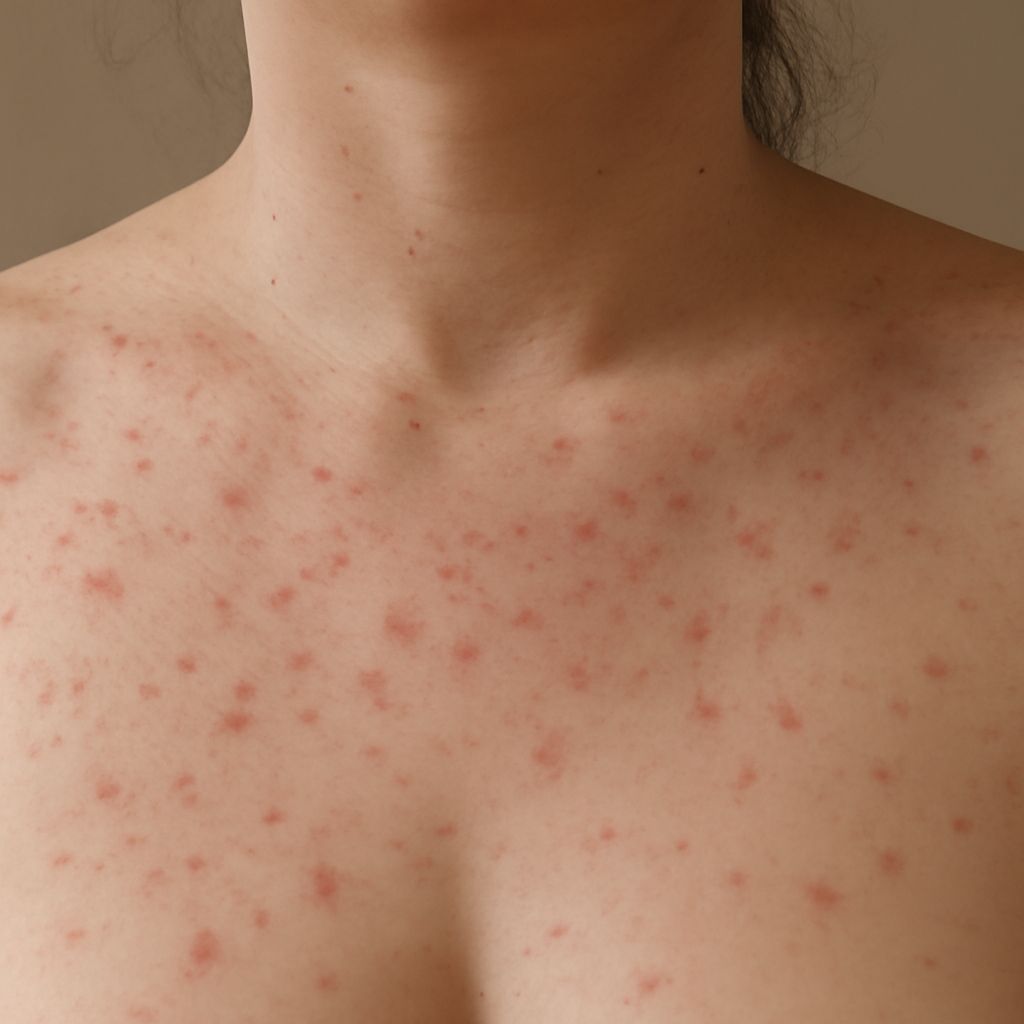
Undergoing gastric sleeve or bypass surgery can be a life-changing decision for many, leading to significant weight loss and improved health. However, these procedures often bring about changes in the skin that patients might not be prepared for. Addressing these changes is crucial for maintaining both physical and mental well-being. Additionally, understanding dietary factors such as gluten’s impact on acne can further aid in managing skin health post-surgery.
What Happens to Skin After Gastric Sleeve Surgery?
Immediate Changes Post-Surgery
Immediately following gastric sleeve surgery, your body undergoes rapid changes that affect your skin. Due to the swift weight loss, the skin may not shrink back quickly enough, leading to sagging. This is especially true for areas like the arms, stomach, and thighs. Additionally, the skin might feel drier as the body adjusts to the new dietary habits and nutritional intake.
Long-Term Skin Effects
Over time, the skin may continue to change as you maintain your weight loss. Collagen and elasticity loss can make the skin appear more aged. Consistent hydration and proper skincare are critical during this period to support the skin’s elasticity. In some cases, individuals opt for surgical solutions to remove excess skin, which requires careful consideration and professional advice.
How Does Gastric Bypass Affect Your Skin?
Gastric Bypass Before and After Skin Comparisons
The effects of gastric bypass on the skin are similar to those seen in gastric sleeve patients. However, the degree of change can vary based on individual factors such as age, skin type, and genetics. Before and after pictures of the skin post-gastric bypass can show dramatic transformations, highlighting both the success of weight loss and the challenge of managing excess skin. Comparing these images can help set realistic expectations for those considering the surgery.
Managing Excess Skin Post-Surgery
Managing excess skin after gastric bypass involves a combination of strategies. Regular exercise can help by toning the muscles beneath the skin, reducing the appearance of sagging. Additionally, topical treatments that boost collagen production may offer some improvement. For severe cases, consulting a dermatologist or plastic surgeon about surgical options might be necessary.
Can Gluten Cause Acne and Skin Issues?
Understanding Gluten’s Impact on Skin
There is growing interest in how gluten affects skin conditions, including acne. Some individuals report skin improvements after eliminating gluten from their diet, suggesting a possible link. Gluten sensitivity or intolerance might exacerbate skin inflammation, leading to breakouts. However, it’s essential to consult healthcare professionals before making significant dietary changes.
Gluten Acne Before and After: Real Results
Before and after results of eliminating gluten often show reduced skin inflammation and fewer acne breakouts. These improvements can be attributed to decreased inflammatory responses in individuals with gluten sensitivities. Documenting these changes can provide insight and motivation for those considering a gluten-free diet as part of their acne management strategy.
Tips for Managing Skin Changes Post-Surgery
Skincare Routines After Weight Loss Surgery
Adapting skincare routines post-surgery is essential to accommodate the changes in your skin. Focus on moisturizing regularly to combat dryness and incorporate products rich in vitamin E and collagen to enhance elasticity. Gentle cleansing routines will help maintain the skin’s natural oils, preventing further irritation.
Dietary Considerations for Healthy Skin
A balanced diet plays a vital role in maintaining skin health after weight loss surgery. Prioritize foods high in antioxidants, vitamins A, C, and E, and omega-3 fatty acids. These nutrients support skin repair and rejuvenation. Staying hydrated and avoiding processed foods can also significantly impact the skin’s appearance and overall health.
Key takeaways: Gastric sleeve and bypass surgeries can lead to significant skin changes that require attentive management. Understanding the role of diet, including the potential effects of gluten, can influence skin health positively. Consult professionals for personalized advice, especially regarding surgical and dietary adjustments.




Leave a Reply