
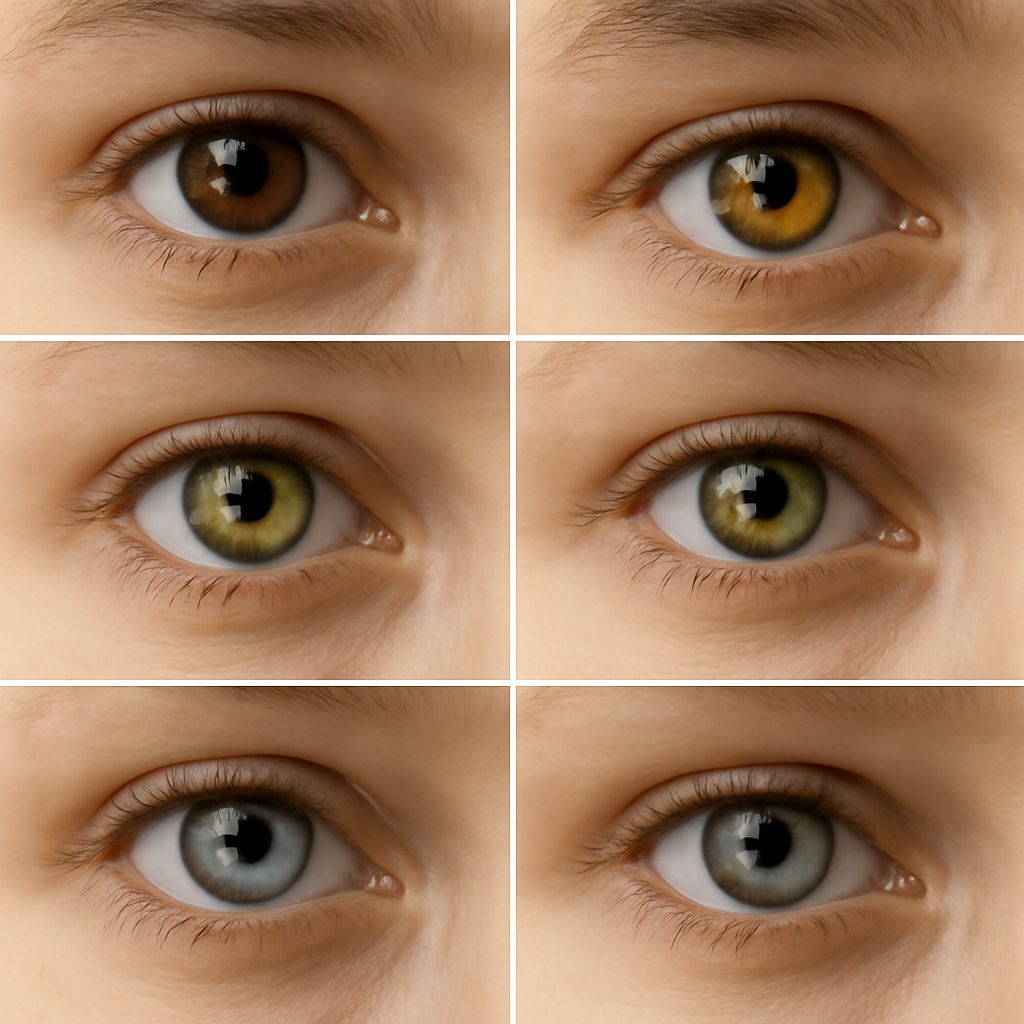
In a world rich with diversity, the language we use to describe skin color plays a crucial role in communication. As societies become more multicultural, understanding the nuances in skin color descriptions fosters respect and empathy. Whether you seek to find appropriate ways to describe dark skin or wish to enrich your vocabulary of skin color words, this guide will provide you with the tools needed to express diversity through language.
Why Are Skin Color Descriptions Important?
Understanding the Role of K1 in Communication
Using appropriate skin color words is key in communicating effectively and respectfully across different communities. When we know how to describe brown skin or any other skin tones with accuracy and sensitivity, it allows us to connect better with people from all walks of life. This understanding can elevate conversations and help avoid misunderstandings that may arise from ill-chosen descriptors.
Promoting Inclusivity Through K4
Inclusivity begins with language. By expanding your vocabulary of diverse skin color terms, you actively contribute to a more inclusive environment. Describing skin color accurately and respectfully recognizes the beauty in diversity and ensures that everyone feels seen and valued. This approach not only enriches personal interactions but also enhances broader societal engagement.
Ways to Describe Dark Skin
Choosing the Right Words to Describe Dark Skin
When describing dark skin, it is essential to choose words that celebrate rather than pigeonhole. Terms like “deep mahogany,” “ebony,” or “rich chocolate” can be used to convey the beauty inherent in darker skin tones. These descriptors help paint a vivid picture and honor the complexity of an individual’s appearance.
Avoiding Common Pitfalls
Avoiding terms that may carry negative connotations is crucial. Descriptions that focus solely on darkness without considering context or beauty can inadvertently reinforce stereotypes. It’s important to remember that the goal is to uplift and appreciate. Thus, language should be carefully selected to reflect admiration and respect.
How to Describe Brown Skin
Techniques for Accurate K3
Describing brown skin requires attention to detail and an appreciation for subtlety. Phrases like “warm caramel,” “golden bronze,” or “honeyed tan” capture the warmth and variation found in brown skin tones. Accuracy in these descriptions allows for a more personalized and respectful portrayal of an individual’s appearance.
Enhancing Descriptions with K5
To enhance your descriptions, consider the context in which you are speaking or writing. Cultural influences and personal experiences often affect how skin color is perceived and described. Using a variety of sensory words such as “luminous” or “radiant” can add depth to your descriptions and create a more engaging narrative.
Expanding Your Vocabulary of Skin Color Words
Exploring a Variety of K4
Expanding your vocabulary involves exploring a wide range of skin color words. Engage with different cultures, literary works, and artworks to discover new terms and expressions. Words like “umber,” “sepia,” or “sienna” can add richness to your description repertoire. This continual exploration will refine your ability to express diversity in a nuanced manner.
Incorporating K1 into Everyday Language
Once equipped with a diverse vocabulary, incorporating these terms into everyday language becomes a rewarding practice. Use these words in conversations, creative writing, and multimedia content to enhance the way you describe and perceive the world around you. This practice not only improves communication but also deepens your appreciation for the diverse tapestry of human experience.
Next steps: As you practice these techniques, remain mindful of the impact your words can have. Regularly update your vocabulary to include newly learned terms, and remain open to feedback from those around you. Remember to always approach skin color descriptions with care, ensuring they are accurate and respectful.
Safety note: When engaging in discussions or writing about skin color, be considerate of the sensitive nature of the topic. Respectful communication is key, and it is always best to approach descriptions with an open mind and heart.





Leave a Reply