
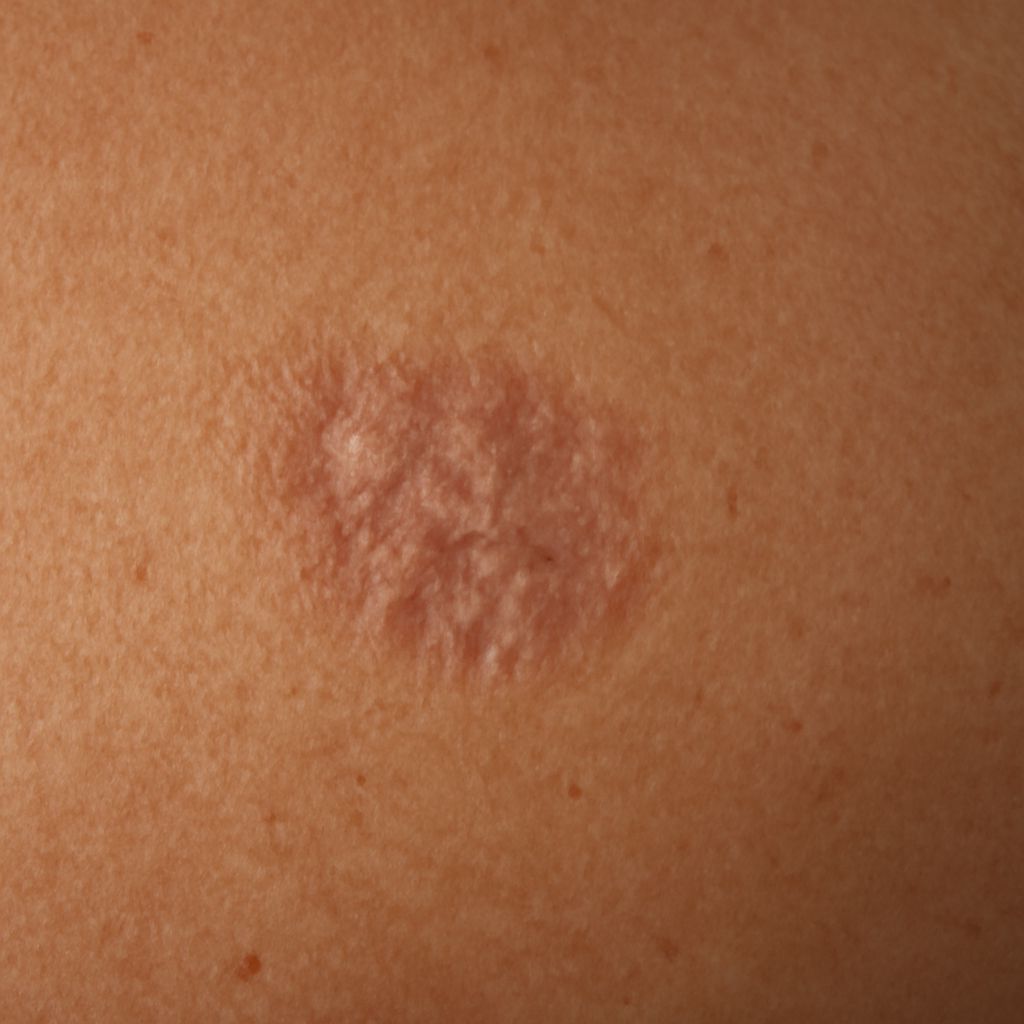
Dealing with skin issues can be frustrating, especially when they affect your confidence and self-esteem. One such concern is orange peel skin, a condition that leaves your skin with a dimpled or uneven texture resembling the peel of an orange. Understanding the causes of orange peel skin texture, including potential factors like skin biopsy scars, can help you find effective solutions to achieve smoother skin.
By exploring various treatment and prevention strategies, you can take control of your skin’s appearance and health. This article aims to provide insights into the causes of orange peel skin and offer practical advice on how to reduce its appearance, while also emphasizing the importance of consulting a dermatologist when needed.
What is Orange Peel Skin?
Orange peel skin refers to a condition where the skin develops a texture similar to that of an orange peel. It is characterized by enlarged pores and a rough surface that may feel bumpy or uneven. The condition can occur on various parts of the body, including the face, thighs, and arms. While it is not harmful, many people seek ways to improve their skin’s appearance due to cosmetic concerns.
How Does Orange Peel Texture Skin Develop?
Orange peel texture skin develops when the skin’s surface becomes uneven, often resulting from the enlargement of pores or changes in the skin’s elasticity. This can be a common issue as we age, but it can also be influenced by environmental factors, lifestyle choices, and skin care habits. The texture may vary in severity, ranging from mild irregularities to more pronounced dimpling.
What Are the Causes of Orange Peel Skin Texture?
Several factors can lead to the development of orange peel skin texture. These include:
- Sun exposure: Prolonged exposure to ultraviolet (UV) rays can damage the collagen and elastin fibers in the skin, leading to a loss of elasticity and the formation of a rough texture.
- Aging: As the skin naturally ages, it can lose its firmness and elasticity, making enlarged pores and uneven textures more noticeable.
- Dehydration: Lack of adequate hydration can cause the skin to appear dry and rough, exacerbating the appearance of orange peel skin.
- Poor skin care habits: Inadequate cleansing or moisturizing can lead to clogged pores and a dull skin texture.
- Genetic factors: Some individuals may be genetically predisposed to having larger pores and uneven skin textures.
Can a Skin Biopsy Scar Cause Orange Skin Texture?
A skin biopsy is a procedure used to diagnose various skin conditions, and it involves removing a small sample of skin for examination. While the scars from a biopsy tend to be minimal, they can occasionally contribute to changes in skin texture. Following a biopsy, the affected area may develop a slight bumpiness or unevenness, similar to orange skin texture. Proper aftercare and consultation with a dermatologist can help minimize any lasting effects on the skin’s appearance.
How Can You Treat and Prevent Orange Peel Skin?
Treating and preventing orange peel skin involves a combination of lifestyle changes, skincare routines, and professional treatments. Here are some effective strategies:
- Regular exfoliation: Exfoliating the skin helps remove dead skin cells and promotes cell turnover, which can improve the skin’s texture over time.
- Hydration: Keeping the skin well-hydrated is crucial. Use moisturizers that suit your skin type and drink plenty of water.
- Sun protection: Protecting the skin from harmful UV rays is essential. Use broad-spectrum sunscreen daily and avoid excessive sun exposure.
- Healthy diet: A balanced diet rich in vitamins and antioxidants supports skin health and can improve its texture.
- Professional treatments: Consider treatments like chemical peels, microdermabrasion, or laser therapy, which can help smooth out the texture and reduce the prominence of orange peel skin.
Safety note: When using sharp tools or undergoing treatments like chemical peels, ensure they are performed by a qualified professional to minimize risks and avoid irritation or injury.
When Should You Consult a Dermatologist for Orange Skin Texture?
While many cases of orange skin texture can be managed with at-home care and lifestyle changes, consulting a dermatologist is advisable if:
- The texture change is sudden or accompanied by other symptoms such as itching or redness.
- Home remedies and over-the-counter treatments do not improve the condition.
- You wish to explore professional treatments for more significant improvement.
- You have concerns about skin biopsy scars or other related issues.
A dermatologist can provide a comprehensive evaluation and recommend personalized treatment plans to address your specific concerns.
Bottom line: Orange peel skin can be a cosmetic concern for many, but understanding its causes and implementing appropriate care strategies can significantly improve skin texture. Remember to consult a dermatologist for persistent issues or professional treatment options.




Leave a Reply