
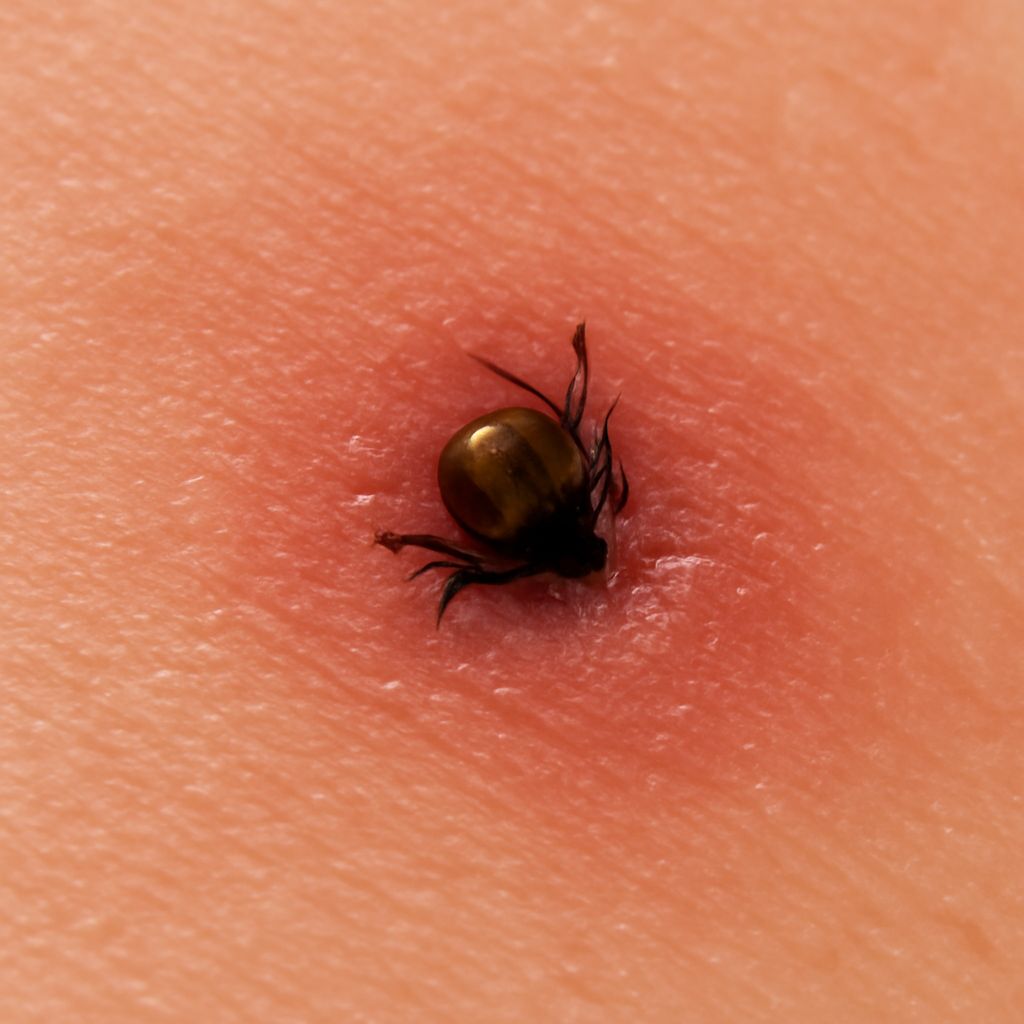
Noticing a little black dot on your skin can be concerning. These dots may appear unexpectedly and cause worry, especially if you’re unsure of their origins. Such spots might resemble a common spot on skin, leading to confusion about their nature. In some instances, people even report seeing black specks coming out of the skin, adding to the mystery. This article aims to clarify the possible causes, how to identify them, and the best treatment options to ease your concerns.
Whether you’re dealing with a singular black dot or multiple black specks, understanding these skin anomalies is key to addressing them effectively. By learning more about what these little black dots signify, you can take appropriate measures to maintain healthy skin and eliminate unnecessary stress from these occurrences.
Understanding Little Black Dots on Skin
Little black dots on the skin can arise from a variety of factors. They might be as harmless as clogged pores or as concerning as signs of a more serious condition. Blackheads, for instance, are a common cause where oil and dead skin cells obstruct pores. These clogged pores, turning black when exposed to air, are a prevalent form of acne.
However, not all black dots are acne-related. They can also result from minor injuries or skin irritations, where debris becomes trapped under the surface. It is essential to differentiate between these benign causes and those that may require medical attention, such as skin cancer or parasitic infections.
Causes of Black Dots on Skin
Understanding the causes of black dots on skin can help in managing them effectively. The most common culprits include:
- Blackheads: A type of acne formed by clogged hair follicles due to oil and dead skin cells.
- Freckles or Moles: These are natural skin features that may appear darker over time or with sun exposure.
- Skin Tags: Harmless growths that can darken with age.
- Warts: Caused by viruses, these can present as black dots due to their capillary thrombosis.
- Foreign Particles: Dirt or debris trapped within layers of skin can cause a blackened appearance.
How to Identify a Spot on Skin
Identifying a spot on skin requires observation and sometimes professional assessment. Consider the following methods:
- Examine the Texture: Is it raised or flat? Rough or smooth? This can hint at whether it’s a blackhead, mole, or wart.
- Look for Patterns: Freckles or moles often have a symmetrical and uniform appearance unlike irregular spots that might suggest other conditions.
- Monitor Changes: Pay attention to changes in size, color, or texture. Sudden changes might necessitate a dermatologist visit.
If unsure, documenting the spot with photographs over time can help a healthcare provider in assessing potential changes.
Are Bugs Coming Out of Your Skin?
The sensation or belief that bugs are coming out of your skin is usually more psychological than physical. Conditions like delusional parasitosis make individuals falsely feel infested with bugs. However, actual infestations, though rare, can occur and are usually evident through other symptoms such as intense itching or visible bugs.
If you suspect something unusual, consulting a healthcare professional can help rule out or confirm any skin parasites.
Managing Black Specks Coming Out of Skin
Finding black specks coming out of skin can be unsettling. Here are some steps to manage this occurrence:
- Maintain Cleanliness: Regularly wash affected areas with mild soap to prevent infection.
- Avoid Scratching: Scratching can worsen the skin’s condition and lead to infections.
- Seek Medical Advice: Persistent or unexplained specks should be evaluated by a dermatologist to exclude underlying conditions.
Proper management often involves identifying the root cause, whether it’s dermatological or psychological, for effective treatment.
Treatment Options for Skin Anomalies
Treating skin anomalies depends on their nature. Common treatments include:
- Topical Treatments: Over-the-counter products containing salicylic acid or benzoyl peroxide can help with blackheads.
- Removing Foreign Particles: Gently washing or using exfoliants may assist in eradicating trapped debris.
- Medical Procedures: Dermatologists may recommend procedures like laser therapy or cryotherapy for persistent or concerning skin features.
It’s crucial to approach treatment patiently, allowing each method the proper time to work and consulting professionals when needed for safe care.
Preventive Measures for Healthy Skin
Prevention is always better than cure, and maintaining healthy skin can often prevent the appearance of unwanted black spots. Consider the following preventive measures:
- Regular Cleansing: Keeps pores clear and reduces the risk of blackheads.
- Sun Protection: Use sunscreen to protect against UV rays that can darken moles and freckles.
- Healthy Diet: A balanced diet supports overall skin health.
- Avoid Harsh Products: Use skin-care items suited to your skin type to prevent irritation.
Fostering good skincare habits not only addresses current concerns but also prevents future issues.
Next steps: Maintaining awareness of your skin’s condition through regular self-examinations and professional check-ups will aid in early detection of any problematic changes. Remember to practice preventive skincare to ensure your skin remains healthy and resilient.
Safety note: When using sharp tools or treatments, such as extractors or chemical peels, exercise caution to prevent injury or irritation, and consult a dermatologist if unsure.
Leave a Reply