
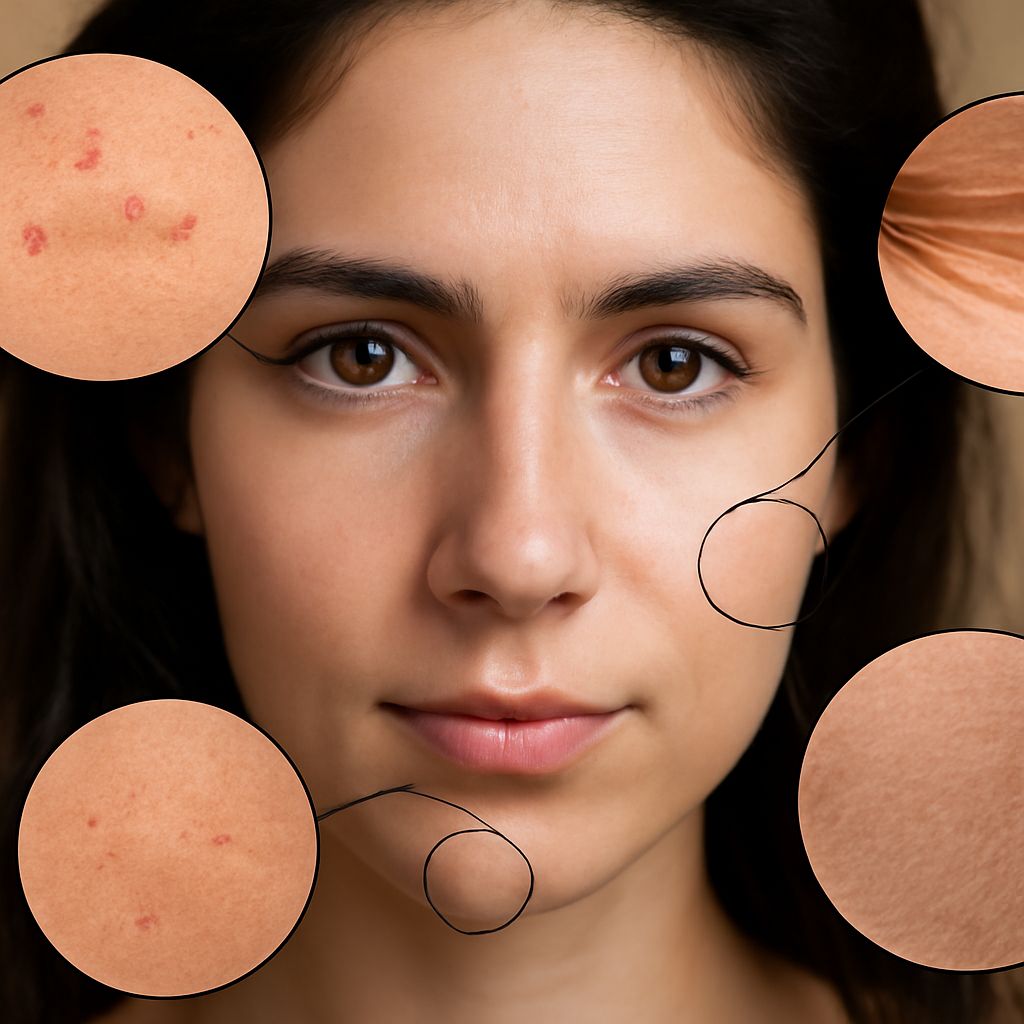
Smoking is a habit linked to numerous health concerns, but its impact on skin health is an area that demands more attention. Many wonder, “Does smoking cause acne?” While it is widely known that smoking can deteriorate overall skin quality, some may be surprised to learn about its potential connection to acne outbreaks. Furthermore, there’s a growing curiosity about the role of vitamins in skin conditions, raising the question: can vitamins cause acne? In this article, we will delve into these topics and uncover the truth behind smoking and vitamin-related acne.
By understanding how smoking affects the skin and identifying specific vitamins that may contribute to acne, individuals can make informed decisions about their lifestyle and skincare routines. With insights into the role of vitamin B6 and other nutrients, this article aims to provide clarity on maintaining healthier skin.
How Does Smoking Affect Skin Health?
Smoking is infamous for its adverse effects on the body, and the skin is no exception. The habit accelerates aging, leading to wrinkles and a dull complexion. This is primarily due to the reduction of collagen and elastin, which are crucial for maintaining skin’s firmness and elasticity. Smokers often display more pronounced lines and less vibrant skin compared to non-smokers.
Moreover, smoking restricts blood flow, depriving skin cells of oxygen and essential nutrients. This lack of nourishment can contribute to various skin problems. The toxins in cigarette smoke can also damage the skin’s natural barrier, making it more susceptible to environmental pollutants and bacteria.
Can Smoking Cause Acne Outbreaks?
While the direct relationship between smoking and acne is complex, studies suggest that smoking can indeed exacerbate acne. The presence of nicotine and other harmful substances in cigarettes is known to trigger inflammatory responses in the skin. Such inflammation can increase the likelihood of acne outbreaks, particularly among individuals already prone to the condition.
Additionally, the oxidative stress caused by smoking can lead to clogged pores and increased sebum production, both of which are key contributors to acne. Although not everyone who smokes will develop acne, those with a predisposition to acne may find their condition worsened by the habit.
Exploring the Link: Can Vitamins Cause Acne?
The question, “Can vitamins cause acne?” might seem counterintuitive, as vitamins are generally associated with health benefits. However, certain vitamins, when consumed in excessive amounts, can have the opposite effect, leading to skin issues such as acne.
Vitamins play a significant role in maintaining healthy skin, but imbalances, particularly an overabundance of certain vitamins, can disrupt skin homeostasis. For instance, fat-soluble vitamins like Vitamins A, D, and K, as well as some B vitamins, can accumulate in the body and potentially contribute to skin inflammation and acne.
Which Vitamins are Known to Cause Acne?
Among the various vitamins, some are more likely to be linked to acne. Vitamin B12, for example, has been documented to trigger acne in certain individuals. This vitamin can alter the skin’s microbiome, leading to an imbalance that favors acne development.
Another vitamin to watch is Vitamin B6. While it is essential for numerous bodily functions, an excessive intake can lead to skin eruptions. Similarly, Vitamin D, when taken in large doses, may promote acne in susceptible individuals, despite its role in skin health and immune function.
What is the Role of Vitamin B6 in Acne Development?
Vitamin B6 is vital for the synthesis of neurotransmitters and the maintenance of healthy nerve and skin functions. In recommended doses, B6 supports skin health; however, its overconsumption has been associated with acne outbreaks.
Excessive Vitamin B6 may lead to an increase in androgens, hormones that can stimulate the sebaceous glands to produce more oil. This heightened oil production can clog pores and foster an environment conducive to acne. While moderate intake of Vitamin B6 is beneficial, it is crucial to monitor consumption to avoid potential skin issues.
Bottom line: While smoking and certain vitamins can impact skin health, understanding their effects allows for better skincare management. Avoiding excessive smoking and maintaining balanced vitamin intake can help in reducing acne risks. Always consult with a healthcare professional before making significant changes to vitamin consumption or smoking habits.





Leave a Reply