
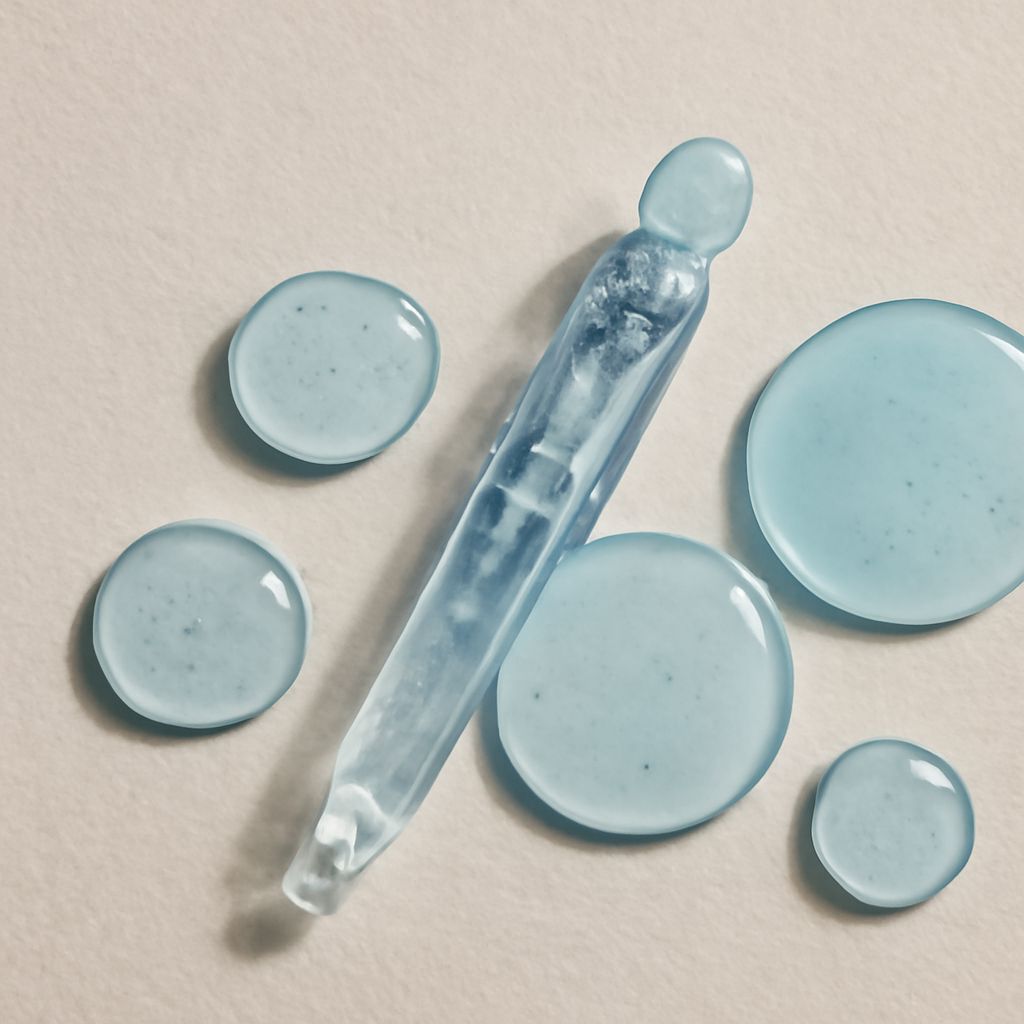
In the world of skincare, finding a product that offers multiple benefits without irritation can be challenging. Many people wonder, “What does azelaic acid do for your skin?” and how it compares to other well-known ingredients like sodium hydroxide commonly found in lye. Understanding the benefits of azelaic acid can help you make informed decisions about incorporating it into your skincare routine. This article explores the advantages of azelaic acid, how it compares to more abrasive compounds, and provides guidance on safe usage.
What is Azelaic Acid?
Azelaic acid is a naturally occurring compound often found in grains like barley, rye, and wheat. It is recognized for its anti-inflammatory and antibacterial properties, making it an effective ingredient in treating various skin conditions. As a dicarboxylic acid, azelaic acid helps in reducing the production of keratin, which can clog pores and contribute to acne.
What Does Azelaic Acid Do for Your Skin?
The primary function of azelaic acid in skincare is to target acne and rosacea. It works by decreasing the swelling and redness associated with these conditions. Additionally, azelaic acid can help in improving skin tone by fading dark spots and discoloration over time. Unlike more aggressive treatments, azelaic acid is gentle enough for sensitive skin, providing a solution for those who cannot tolerate harsher chemicals.
Understanding the Benefits of Azelaic Acid
Azelaic acid offers a variety of benefits making it a versatile ingredient in skincare products. It is effective in treating mild to moderate acne by killing bacteria that infect pores, reducing inflammation, and helping to normalize the shedding of dead skin cells. Furthermore, it has been shown to improve the appearance of skin affected by hyperpigmentation, thereby enhancing overall skin tone and texture.
Another significant benefit is its ability to combat free radicals, which can lead to premature aging. By reducing oxidative stress, azelaic acid helps maintain the skin’s natural protective barrier. This makes it a valuable addition to an anti-aging skincare regimen. Its non-comedogenic properties mean it won’t clog pores, offering a solution for individuals with oily or acne-prone skin.
Comparing Azelaic Acid to Sodium Hydroxide
While azelaic acid contributes positively to skin health, sodium hydroxide, known as lye, serves a very different purpose. Sodium hydroxide is a strong alkaline used primarily in the manufacturing of soap and cleaning products. It is harsh on the skin and can cause irritation if not properly formulated within a product. In high concentrations, it can even be corrosive.
In contrast, azelaic acid is mild and specifically beneficial for treating skin conditions without the risk of significant irritation. The comparison highlights the importance of understanding ingredient functions and selecting products that align with your skin’s needs.
What Does Lye Do to Skin?
Lye, or sodium hydroxide, is used in small quantities within certain skincare products to balance pH levels. However, its primary function is industrial, and it can cause severe irritation and damage in its raw form. When used incorrectly, lye can lead to chemical burns and disrupt the skin’s natural barrier. This underscores why azelaic acid is often preferred for sensitive skin types as it offers therapeutic benefits without the harsh effects.
How to Safely Use Azelaic Acid in Your Skincare Routine
To safely incorporate azelaic acid into your skincare regimen, begin by using a product with a concentration suitable for your skin type. Typically, a concentration of 10% to 20% is recommended for over-the-counter use. Always perform a patch test to ensure no adverse reactions occur.
Apply azelaic acid once or twice daily after cleansing and before moisturizing. It can be layered with other products, but be cautious of combining it with other exfoliating agents like retinoids or alpha hydroxy acids, which could increase sensitivity. If you experience any irritation, reduce the frequency of use or consult a dermatologist for tailored advice.
Remember, while azelaic acid is generally safe for most skin types, individual reactions can vary. If you have any concerns, seek professional guidance to ensure it complements your skincare routine effectively.
Key takeaways: Azelaic acid offers numerous skin benefits, including treating acne, reducing inflammation, and improving skin tone. It is a gentle alternative to harsher compounds like sodium hydroxide, which can cause irritation. Incorporating azelaic acid into your routine can enhance skin health when used properly, making it a versatile ingredient for those seeking a balanced approach to skincare.




Leave a Reply