
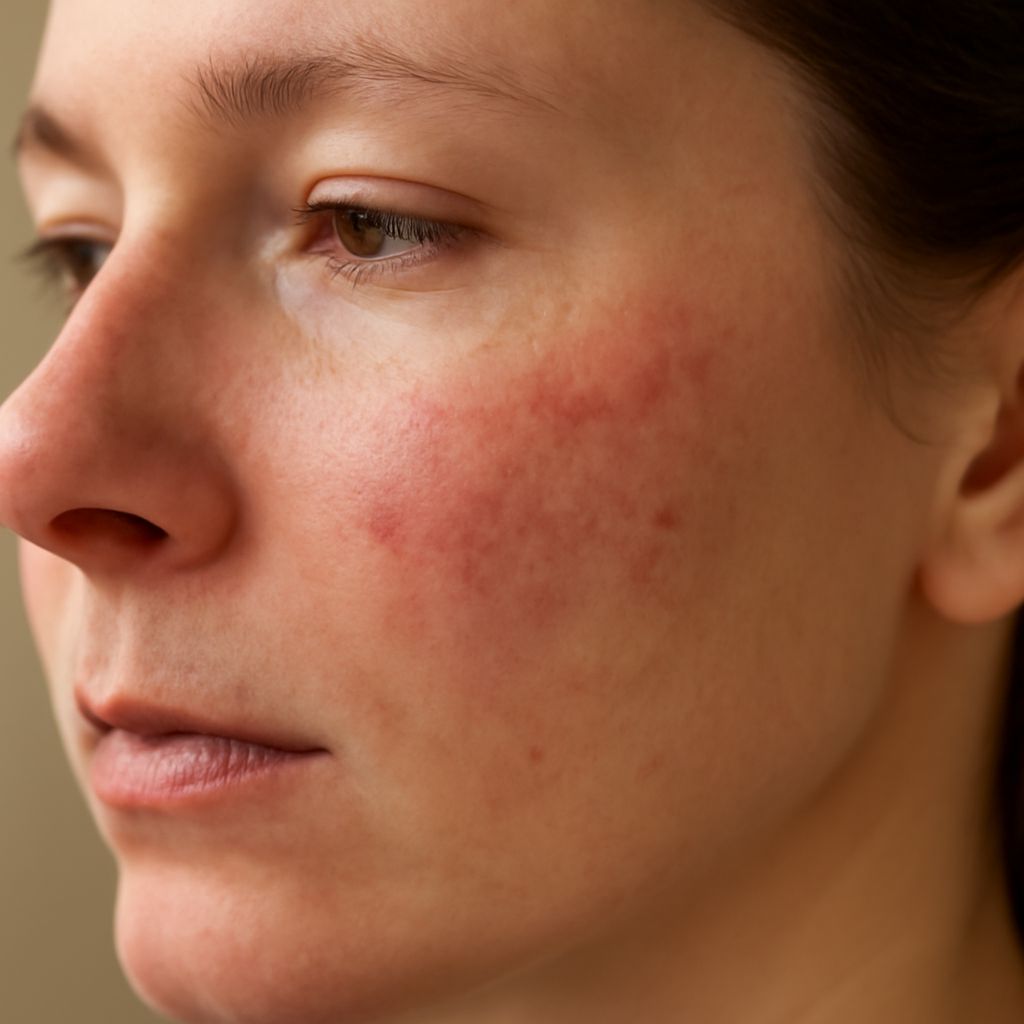
Chlamydia skin rash is a topic that can evoke concern and confusion. While more commonly associated with sexually transmitted infections, chlamydia can sometimes manifest dermatologically. Understanding its connection to acne and how managing skin health can mitigate these effects is crucial. One surprising solution that has gained attention recently is the use of cold showers. This simple practice can offer relief not only for acne but also for winter dry skin rash and cold weather skin rash.
Cold showers are often overlooked in skincare routines, yet they may offer benefits beyond their invigorating effect. As winter approaches, many people struggle with dry, irritated skin, making it essential to explore how cold showers could help enhance skin health.
What is a Chlamydia Skin Rash?
Chlamydia skin rash is not widely discussed, but it can occur in some cases of chlamydia infections. These rashes can range from mild to severe, often presenting as red, itchy patches. While typically associated with an upper respiratory infection or sexually transmitted chlamydia, these rashes can sometimes lead to acne flare-ups due to inflammation and irritation. Proper diagnosis and treatment by a healthcare professional are vital to managing this condition effectively.
How Do Cold Showers Help Acne?
Cold showers are gaining popularity for their potential skin benefits, especially in managing acne. The colder temperature can help reduce inflammation and redness, often associated with acne breakouts. Additionally, cold water can tighten pores, reducing the likelihood of dirt and oil build-up, which can lead to acne. The refreshing blast can also stimulate circulation, promoting healthier skin overall.
What Causes Winter Dry Skin Rash?
Winter dry skin rash is commonly triggered by the cold, dry air characteristic of the season. The lack of moisture in the air can strip the skin of its natural oils, leading to dryness, flakiness, and irritation. When coupled with indoor heating, which further dehydrates the skin, many people find themselves battling uncomfortable rashes during the winter months. Proper hydration, moisturizing, and potentially implementing cold showers can help combat these effects.
Understanding Cold Weather Skin Rash
A cold weather skin rash can be similar to a winter dry skin rash but may encompass a wider range of symptoms. These rashes can appear as red, sore patches, often exacerbated by reduced humidity and exposure to harsh winds. The body’s response to cold weather can lead to increased sensitivity, which may manifest in rash-like symptoms. Understanding skin’s reaction to cold weather is key to developing an effective skincare routine during these months.
Can Cold Showers Really Help With Acne?
Cold showers have shown potential in acne management. By reducing skin inflammation and tightening pores, cold showers can help minimize acne outbreaks. They also encourage better circulation, which can enhance skin cell turnover and healing. While not a standalone cure, cold showers can be a beneficial addition to a comprehensive skincare regimen tailored to acne-prone skin. It’s essential to balance cold showers with other acne treatments for optimal results.
Combining Cold Showers and Skincare for Better Results
To maximize the benefits of cold showers for skin health, combining them with a robust skincare routine is recommended. Consider incorporating gentle cleansers and hydrating moisturizers to maintain skin’s natural barrier. After a cold shower, apply a suitable moisturizer to lock in moisture, preventing winter dry skin rash. Additionally, using products featuring anti-inflammatory ingredients can further support the soothing effects of cold showers.
Conclusion: Managing Skin Health in Cold Weather
As cold weather approaches, maintaining skin health becomes increasingly challenging yet crucial. Understanding the role of chlamydia skin rash, the benefits of cold showers for acne, and the causes of winter dry skin rash can all contribute to a healthier routine. By effectively combining cold showers with appropriate skincare, individuals can manage skin health and reduce rash occurrences during colder months.
Safety Recap: Always consult with a healthcare provider if experiencing unfamiliar skin rashes or irritations. Use tools, skincare products, and shower techniques that suit your skin type, avoiding triggers that may exacerbate conditions.




Leave a Reply