
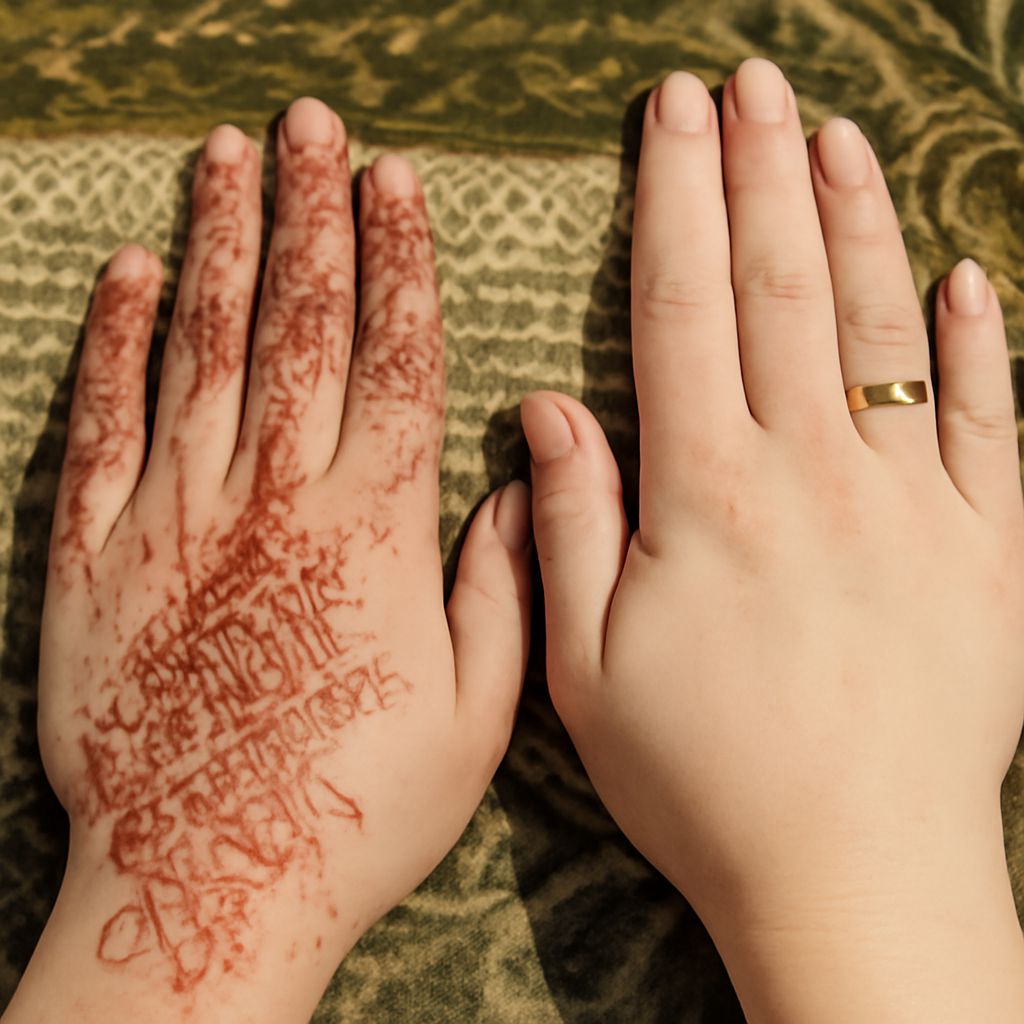
Henna has been used for centuries to create beautiful and intricate designs on the skin. However, these lovely patterns can become a nuisance when they no longer serve their decorative purpose. For those who want to learn how to remove henna from skin, several methods exist that allow you to erase these stains without damaging your skin’s health. Alongside this, improving skin elasticity is essential to maintain a youthful and vibrant appearance. In this guide, we will explore both how to remove henna from skin effectively and how to enhance your skin’s resilience naturally.
What is Henna and Why Does it Stain?
Henna, derived from the Lawsonia inermis plant, is a natural dye that binds to the proteins in your skin, creating a temporary stain. The tannins present in henna are responsible for its staining properties, allowing the dye to penetrate the top layers of your skin. This process is what gives henna tattoos their longevity, with designs typically lasting one to three weeks.
How to Remove Henna from Skin Safely
Removing henna from the skin without causing irritation can be achieved through several methods. One effective technique is to use an exfoliating scrub, which helps slough off the stained layers of skin. Additionally, soaking the stained area in a mixture of warm water and baking soda can accelerate the fading process. For those with sensitive skin, using gentle products such as a mild facial cleanser or coconut oil can also be effective.
Natural Remedies for Henna Stain Removal
If you prefer natural solutions, household ingredients can help lighten henna stains. Lemon juice, with its acidic properties, acts as a natural bleaching agent. Simply apply lemon juice to the stained area, let it sit for a few minutes, then rinse. Another option is a paste made from baking soda and water, which can be applied in circular motions to gently lift the henna pigment. Finally, olive oil combined with salt creates an exfoliating mixture that can help remove the dye while nourishing your skin.
Understanding Skin Elasticity
Skin elasticity refers to the skin’s ability to stretch and then return to its original shape. This property is primarily influenced by collagen and elastin, proteins that provide structure and flexibility. As we age, the production of these proteins decreases, leading to sagging and wrinkles. Therefore, maintaining or improving skin elasticity is crucial for a youthful appearance.
How to Improve Skin Elasticity Naturally
Improving your skin’s elasticity naturally involves lifestyle changes and the incorporation of certain nutrients into your diet. Staying hydrated is fundamental, as water helps maintain the skin’s plumpness. Eating foods rich in vitamins C and E, such as citrus fruits and nuts, supports collagen production. Regular exercise also boosts circulation and stimulates the production of new skin cells. Moreover, protecting your skin from excessive sun exposure prevents damage to the collagen and elastin fibers.
Products and Treatments to Regain Elasticity in Skin
For those seeking additional help, there are numerous products and treatments designed to enhance skin elasticity. Retinol creams, known for their collagen-stimulating properties, can be effective. Hyaluronic acid serums attract moisture, providing a plumping effect. Professional treatments, such as laser therapy or micro-needling, can also offer significant improvements by promoting collagen synthesis. It’s important to choose products that suit your skin type and to consult with a dermatologist if considering professional treatments.
Link Between Henna Removal and Skin Care
Removing henna from the skin ties into a broader skincare regimen. Harsh methods can damage the skin, affecting its elasticity and overall health. Opting for gentle removal techniques not only preserves the skin’s integrity but also complements efforts to improve its elasticity. Regular moisturizing and nourishment are essential, whether dealing with henna stains or enhancing skin resilience.
Safety Recap: When removing henna or using products to improve elasticity, always prioritize gentle methods to avoid skin irritation. Consult with a skincare professional if you have sensitive skin or if you’re considering advanced treatments.



Leave a Reply