
Understanding your skin tone is crucial for selecting the right skincare regimen and makeup products. Many individuals struggle with identifying their specific skin undertones, particularly those with red undertone skin. By using a skin color map, individuals can more accurately define their skin’s characteristics, paving the way for better personal care and cosmetic choices. Whether you’re exploring the nuances of red undertone skin or delving into the specifics of amber skin color and Arab skin tone, a comprehensive understanding of the skin tone map can be an invaluable tool.
In this article, we will explore what it means to have red undertone skin, how to accurately identify your skin tone using a skin color map, and where colors like amber fit on this spectrum. We’ll also delve into the unique characteristics of the Arab skin tone and offer practical skincare and makeup tips tailored specifically for red undertone skin.
What is Red Undertone Skin?
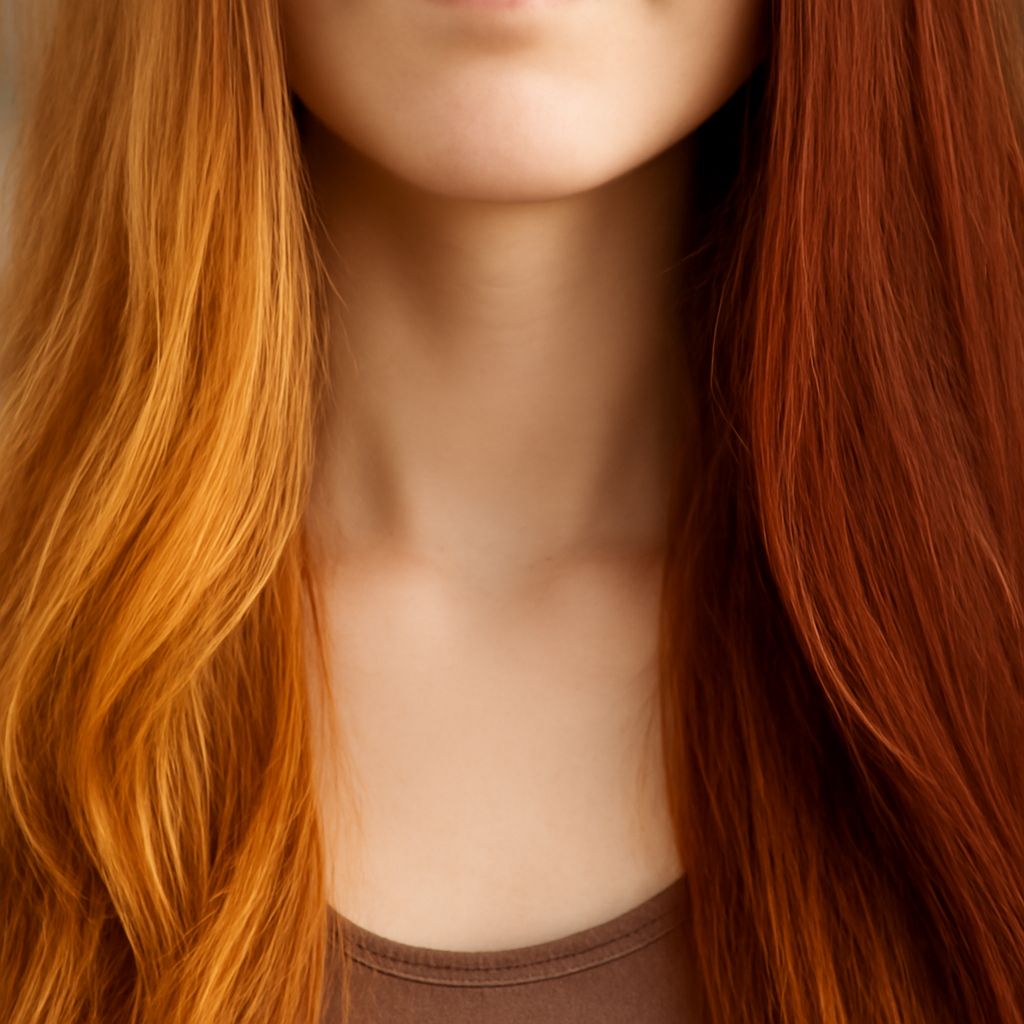
Red undertone skin refers to skin that has a subtle, underlying redness, which can give it a warm appearance. This undertone is often more noticeable in natural daylight and can influence the overall hue of your complexion. People with red undertone skin might notice that their skin appears more flushed or rosy, especially after activities such as exercise or exposure to heat. Recognizing this undertone is vital for choosing the right cosmetics and skincare products, as products that complement rather than clash with your natural tone will enhance your appearance.
How to Identify Your Skin Tone Using a Skin Color Map
Identifying your skin tone is made easier with the use of a skin color map. This tool categorizes various skin tones and undertones, allowing individuals to pinpoint their specific type. To use a skin color map effectively, examine your skin in natural light and compare it to the map. Look for key indicators such as the color of your veins, your natural hair color, and how your skin reacts to sun exposure. If your veins appear greenish, you likely have warm undertones, whereas blue or purple veins indicate cool undertones. Red undertone skin often aligns with warm undertones, helping individuals select the most suitable products and colors.
Exploring the Skin Tone Map: Where Does Amber Skin Color Fit?
Amber skin color is often characterized by a mix of golden and brown hues, creating a warm and glowing complexion. On the skin tone map, amber skin typically sits between medium to tan categories, radiating a rich warmth that pairs beautifully with earth-toned makeup and jewel tones. Understanding where amber fits on the skin tone map can help individuals with this complexion select products that enhance their natural glow, such as bronzers and highlighters that emphasize their skin’s innate warmth.
Understanding the Arab Skin Tone on the Spectrum
The Arab skin tone encompasses a range of shades from light olive to deeper brown tones, reflecting the diverse backgrounds and genetic influences of people from Arab regions. On the skin tone map, Arab skin tones often exhibit warm or neutral undertones, with a natural resilience to sun exposure. This skin type benefits from using products with rich, hydrating formulas that maintain the skin’s elasticity and prevent dullness. Recognizing where Arab skin tone sits within the wider spectrum allows individuals to choose cosmetics and skincare that enhance their unique features.
Practical Tips for Red Undertone Skin Care
For those with red undertone skin, selecting the right skincare products is essential to maintaining a balanced complexion. Here are some practical tips to consider:
- Hydration: Use hydrating cleansers and moisturizers that soothe skin, reducing any redness or irritation.
- SPF Protection: Always apply sunscreen with at least SPF 30 to protect against sun-induced redness.
- Avoid Irritants: Stay away from skincare products containing alcohol or fragrances, which can exacerbate redness.
These steps ensure that your red undertone skin remains healthy and radiant without unwanted flare-ups.
Using Makeup to Complement Red Undertone Skin
Choosing makeup that complements red undertone skin can enhance your natural beauty. Here are some tips:
- Foundation: Opt for foundations with a yellow or golden base to counteract redness and provide a smooth, even finish.
- Blush: Choose soft peach or coral shades to add warmth without highlighting redness.
- Lip Colors: Earthy tones like terracotta or brick reds work well with red undertone skin, complementing the natural warmth.
These makeup choices will ensure that your red undertone skin looks vibrant and harmonious.
Key takeaways: Recognizing red undertone skin and understanding its place on the skin tone map can significantly enhance your skincare and makeup regimen. By using the right products and techniques, you can ensure your skin looks its best, naturally complementing your unique undertones.




Leave a Reply