

Post-inflammatory hyperpigmentation (PIH) skin can be a troubling condition for many people, manifesting as darkened patches on the skin following inflammation or injury. This phenomenon often leads to concerns about skin’s appearance and health. Thankfully, various solutions can help manage and treat PIH, including the use of skin antibiotics and understanding the role of skin markers in diagnosis. Another related issue is turkey skin, characterized by bumpy and uneven skin texture, which can sometimes contribute to what is perceived as dirty skin. In this article, we will explore these topics to guide you toward healthier skin.
What is PIH Skin?
PIH, or post-inflammatory hyperpigmentation, occurs when the skin darkens or discolors after an inflammatory wound or irritation. This condition is common among individuals with darker skin tones due to their higher melanin content. PIH is not permanent, but it can take months or even years to fade if untreated. Understanding the nature of PIH is crucial for effective management, as its treatment often overlaps with that of other skin conditions, such as acne or eczema.
How Do Skin Markers Help in Diagnosis?
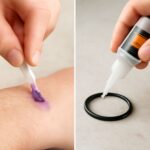
Skin markers are an invaluable tool in diagnosing various skin conditions, including PIH. These markers can help dermatologists identify the severity and type of pigmentation, guiding them in tailoring specific treatment plans. By using skin markers, healthcare professionals can monitor changes over time, ensuring that interventions are effective. Although not all skin markers are visible to the naked eye, advanced imaging technology allows for precise mapping of skin discoloration and texture, providing a detailed picture of the condition.
Can Skin Antibiotics Treat PIH Skin?
The role of skin antibiotics in treating PIH is primarily supportive. Antibiotics can reduce inflammation and prevent bacterial infections, which are often precursors to PIH. While antibiotics are not a direct treatment for pigmentation, they may be part of a broader regimen to address underlying conditions, such as acne, that contribute to PIH. Topical antibiotics, such as clindamycin and erythromycin, are commonly used in conjunction with other topical treatments like retinoids or hydroquinone to enhance overall skin health and reduce pigmentation.
What Causes Turkey Skin and How to Manage It?
Turkey skin, medically known as keratosis pilaris, is a condition characterized by rough, bumpy patches on the skin. This occurs when keratin, a protein that protects the skin, forms hard plugs within hair follicles. Although not harmful, turkey skin can be aesthetically displeasing and may sometimes lead to misconceptions of dirty skin. To manage turkey skin, dermatologists often recommend gentle exfoliation and moisturizing to smoothen the skin texture. Regular use of exfoliating acids, such as glycolic or lactic acid, can help dissolve keratin plugs and improve the skin’s appearance over time.
Tips for Preventing Dirty Skin
Maintaining a consistent skin care routine is essential for preventing what is often perceived as dirty skin. Here are some practical tips:
- Cleansing: Cleanse your skin twice daily with a gentle cleanser to remove dirt, oil, and impurities that can lead to clogged pores and contribute to PIH.
- Exfoliation: Regular exfoliation helps remove dead skin cells, minimizing the risk of clogged pores and uneven skin tone. Use a scrub or chemical exfoliant suited to your skin type.
- Hydration: Keep your skin well-moisturized to maintain its barrier function. This helps in reducing irritation and the potential for inflammation-induced pigmentation.
- Sun Protection: Use broad-spectrum sunscreen daily to protect against UV rays, which can exacerbate PIH and other pigmentation disorders.
Conclusion: Achieving Healthy Skin
Understanding and managing PIH involves recognizing its causes and implementing a comprehensive skincare routine. By utilizing skin markers and skin antibiotics as part of a targeted treatment plan, individuals can effectively manage symptoms and promote healing. Furthermore, addressing related conditions like turkey skin through exfoliation and moisturization can contribute to an overall improvement in skin texture and appearance.
Next Steps: For ongoing skin health, regularly consult with a dermatologist to evaluate the effectiveness of your skincare regimen and make adjustments as needed. Always perform patch tests before using new products to avoid adverse reactions. Keep in mind that while over-the-counter treatments can be effective, prescription options may be necessary for more severe cases.
Safety Note: When using sharp exfoliating tools, exercise caution to prevent injury. If you experience any persistent irritation or discomfort, seek professional medical advice.



Leave a Reply