
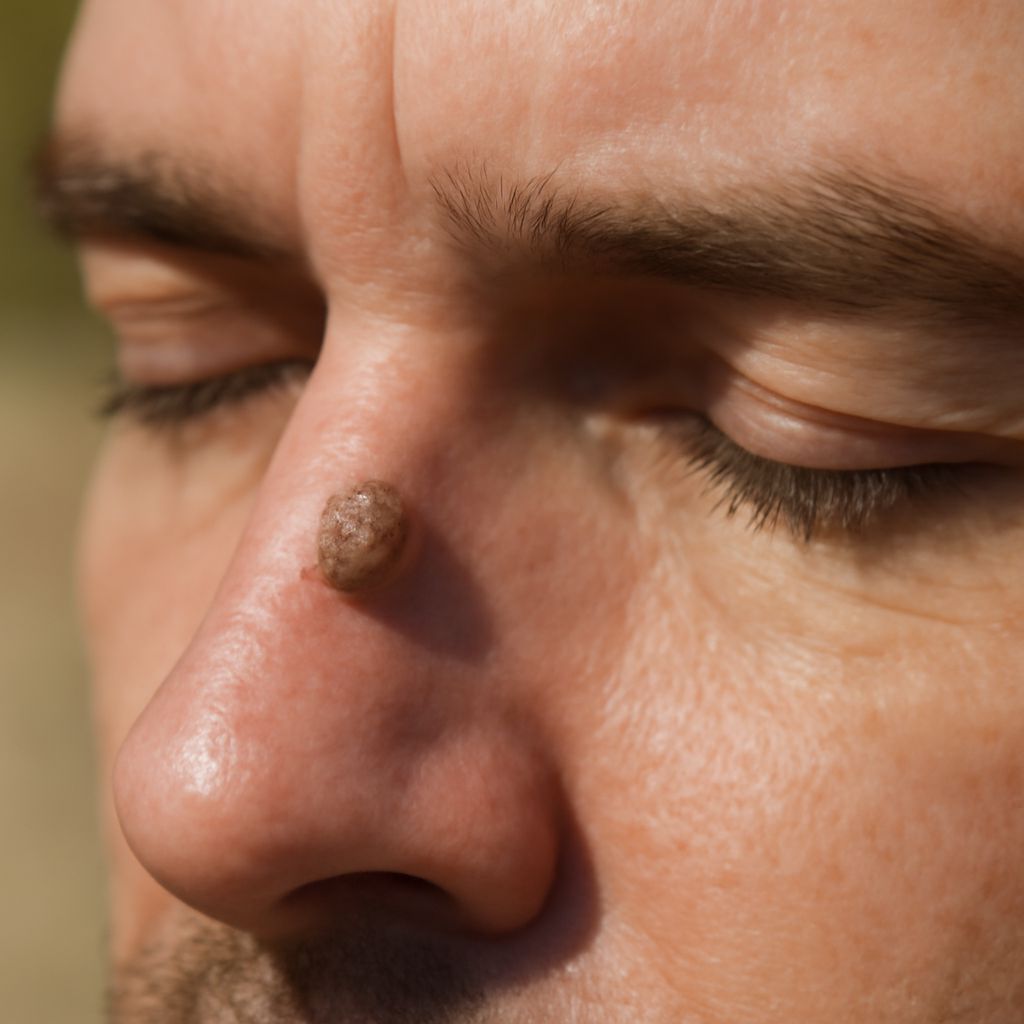
Having radiant and healthy skin goes beyond just genetics and skincare routines. A crucial aspect often overlooked is maintaining the optimal skin pH. The skin’s pH balance is essential for overall skin health, as it influences everything from hydration to protection against harmful microorganisms. Not maintaining this balance can lead to various concerns, including skin sarcoma and skin conditions like the rare skin horn. The secret to maintaining this balance? Understanding and utilizing skin essence effectively.
What is Skin pH and Why Does it Matter?
Skin pH refers to the acidity level of the skin’s surface, which plays a vital role in protecting against infections and environmental stressors. The normal skin pH is slightly acidic, typically around 4.5 to 5.5. This acidity helps maintain the skin’s barrier function, which is essential for preventing transepidermal water loss and keeping harmful bacteria at bay.
When the pH level is disrupted, it can lead to a compromised barrier function, resulting in dryness, irritation, and even infections. Furthermore, imbalanced pH levels can contribute to more severe conditions such as skin sarcoma, a type of cancer that arises from connective tissues. Thus, maintaining the skin’s pH is crucial for its health and appearance.
How Can Skin Essence Help Maintain pH Balance?
Skin essence is a lightweight, hydrating liquid that is often used after cleansing and toning but before moisturizing. Its primary role is to enhance hydration and prepare the skin to absorb subsequent skincare products more effectively. The correct formulation of a skin essence can significantly aid in balancing the skin’s pH.
Containing ingredients like hyaluronic acid, glycerin, and natural extracts, skin essence provides essential nutrients that support the skin’s barrier function. By integrating an essence into your skincare routine, you can help maintain the optimal pH level, leading to healthier and more resilient skin. Regular use of skin essence can thus act as a protective measure against skin issues, including the rare occurrence of skin horn.
What You Should Know About Skin Sarcoma
Skin sarcoma is a serious condition characterized by malignant tumors that originate from the skin’s connective tissues. It is crucial to be aware of this condition, as early detection significantly improves the prognosis. Sarcomas can appear as lumps or growths on the skin, which may be mistaken for benign conditions like cysts or lipomas.
The exact cause of skin sarcoma is not always clear, but factors such as genetic predisposition, exposure to certain chemicals, and previous radiation therapy might contribute to its development. Regular skin check-ups and monitoring changes in the skin can aid in early detection. If you notice any persistent growths or changes in your skin, consulting a dermatologist is imperative for proper diagnosis and treatment.
Intriguing Skin Facts You Might Not Know
The skin, being the largest organ of the body, is a fascinating and complex structure. Did you know that your skin renews itself approximately every 28 days? This rapid turnover is essential for maintaining its function as a protective barrier. Furthermore, the skin hosts millions of bacteria, many of which play a crucial role in maintaining its health by supporting the immune system and preventing harmful pathogens from taking hold.
Another interesting fact is that skin tone and texture can vary based on the skin’s hydration levels and pH balance. Maintaining the right pH not only supports the skin’s barrier function but also enhances its appearance, making it look smoother and more vibrant.
Understanding Skin Horn: A Rare Condition
Skin horn, also known as cutaneous horn, is a rare condition that manifests as a conical projection on the skin, resembling an animal horn. It is composed primarily of keratin, the protein found in hair and nails. While most skin horns are benign, they can sometimes be associated with underlying malignancies, including skin sarcoma.
The exact cause of skin horns is not well-understood, but they are often linked to prolonged sun exposure and human papillomavirus (HPV) infections. Treatment typically involves surgical removal and biopsy to rule out malignancy. Preventative measures include regular use of sunscreen and avoiding prolonged sun exposure.
Steps to Maintain Healthy Skin pH
Maintaining the skin’s optimal pH is crucial for its health and appearance. Here are some steps to help you achieve a balanced skin pH:
- Use Gentle Cleansers: Choose mild, pH-balanced cleansers to avoid stripping the skin of its natural oils and disrupting its pH.
- Incorporate Skin Essence: Regular use of a nourishing skin essence can provide the necessary hydration and nutrients to support pH balance.
- Avoid Over-Exfoliating: While exfoliating is essential to remove dead skin cells, overdoing it can disrupt the skin’s pH and lead to irritation.
- Moisturize Regularly: Keeping the skin hydrated with a good moisturizer can help maintain its barrier function and pH level.
- Sunscreen is a Must: Protecting the skin from UV damage with broad-spectrum sunscreen prevents the breakdown of essential proteins and maintains overall skin health.
Safety Note: Always patch test new products to check for any adverse reactions, especially if you have sensitive skin. Consult with a dermatologist if you have concerns about skin conditions or product suitability.
Bottom line: Understanding and maintaining the skin’s pH is essential for healthy, resilient skin. By incorporating skin essence and adopting a mindful skincare routine, you can effectively manage your skin’s balance and ward off conditions like skin sarcoma and skin horn. Prioritize your skin’s health by making informed skincare choices.





Leave a Reply