
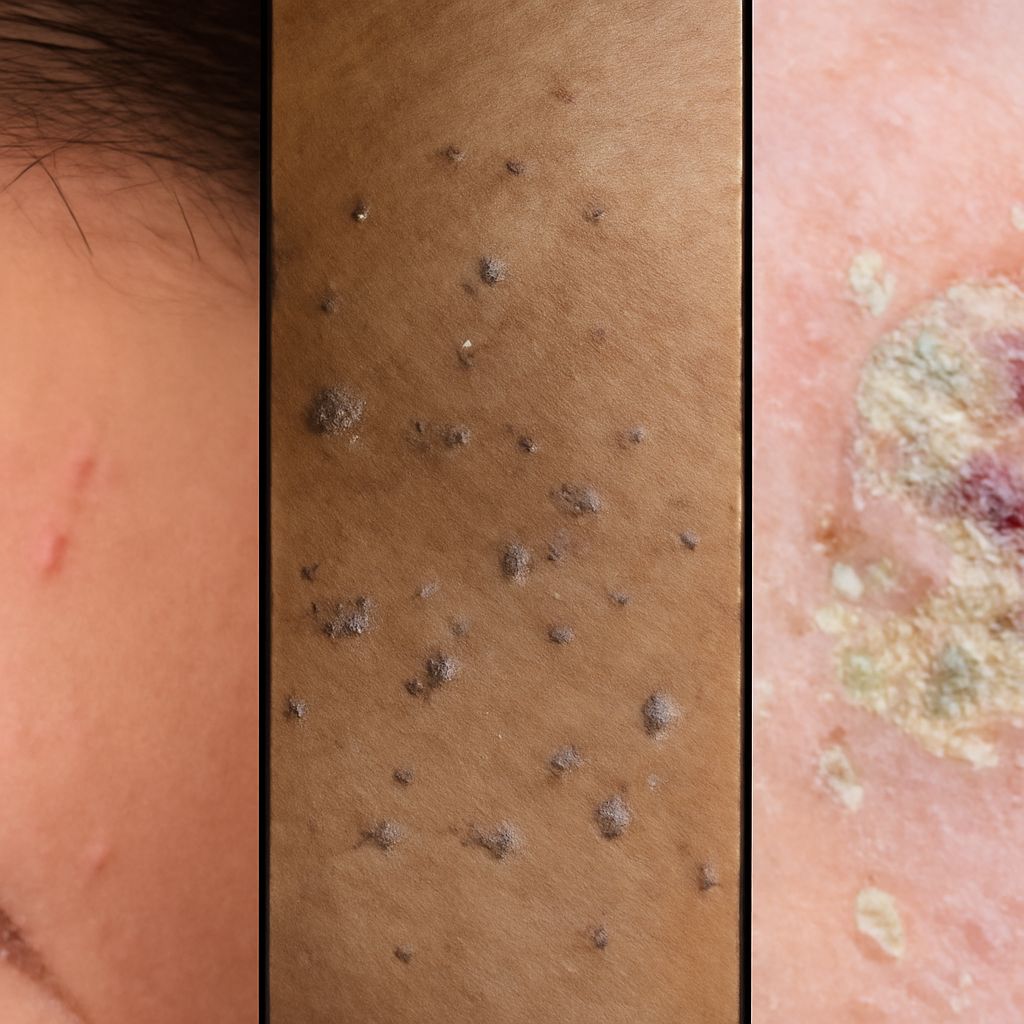
Exposure to acids can be a concerning issue for skin health, as these substances have the potential to cause irritation or even severe damage. Whether you’re dealing with a chemical spill at home or in the workplace, knowing how to neutralize acid on skin is crucial for maintaining skin integrity. Alongside this, accidents involving glass can lead to the need to remove tiny shards embedded in the skin, further emphasizing the importance of proper skin care techniques. It is also essential to understand the role of blood flow to the skin in healing and to address common skin concerns, such as brown discoloration on the ankles, which might indicate underlying health issues.
From skin safety measures to proper cooking techniques, taking the right steps can protect your skin and enhance your culinary experiences. This guide will walk you through several important skin-related topics, including how to grill trout with skin and address discoloration issues, ensuring you have the knowledge to handle these situations effectively.
What Are the Risks of Acid Exposure to the Skin?
Acid exposure poses several risks to the skin, ranging from mild irritation to severe chemical burns. When acid comes into contact with the skin, it can lead to redness, inflammation, and in serious cases, tissue damage. It is important to act quickly and appropriately to minimize such risks. Understanding the specific type of acid involved is crucial, as different acids require different neutralization methods. For example, sulfuric acid and hydrochloric acid may necessitate different responses than weaker acids found in everyday products.
How to Neutralize Acid on Skin Safely
To safely neutralize acid on skin, it is essential first to identify the acid type and concentration. If the exposure is mild, rinsing the affected area with copious amounts of water is often the first step. This dilution process helps to reduce the acid’s concentration and its corrosive effects. In cases of strong acids, following up with a neutralizing agent, such as a mild baking soda solution, can further mitigate the damage. Always ensure protective measures are in place to prevent future exposure, such as wearing gloves and eye protection when handling acids.
How to Get Tiny Shards of Glass Out of Skin
Accidents involving glass can result in tiny shards becoming embedded in the skin. To safely remove these shards, the first step is to clean the area gently with soap and water to prevent infection. Using a sterilized pair of tweezers, carefully extract the visible glass pieces. If shards are deeply embedded or not easily accessible, it is advisable to seek medical assistance to prevent further skin damage. Maintaining proper skin hygiene post-removal is crucial to ensure healing and prevent infection.
Understanding Blood Flow to the Skin
Blood flow to the skin plays a vital role in overall skin health, impacting healing processes and nutrient delivery. Adequate blood circulation ensures that skin cells receive the necessary oxygen and nutrients to repair and regenerate. Factors such as diet, exercise, and hydration can significantly influence blood flow to the skin. Maintaining healthy lifestyle choices can enhance this circulation, promoting healthier, more resilient skin. Attention to blood flow is particularly important after incidents like acid exposure or skin injuries, where enhanced circulation can aid in quicker recovery.
Causes of Brown Skin Discoloration on Ankles
Brown discoloration on the ankles can be a cause for concern as it may indicate underlying health issues. This type of discoloration is often related to conditions such as chronic venous insufficiency, where impaired blood flow leads to changes in skin color. Other causes include dermatological conditions or prolonged exposure to irritants. Identifying the root cause of the discoloration is essential for effective treatment. Consulting with a healthcare professional can provide insights into appropriate interventions, which may include lifestyle changes or medical treatments to address the underlying vascular issues.
How to Grill Trout with Skin to Perfection
Grilling trout with skin intact can enhance the flavor and texture of the fish. To achieve a perfectly grilled trout with skin, begin by ensuring the fish is clean and dry. Season the trout lightly with salt, pepper, and your choice of herbs. Preheat the grill to a medium-high temperature and lightly oil the grates to prevent sticking. Place the trout on the grill skin-side down, allowing it to cook undisturbed for several minutes. This method ensures the skin becomes crisp while the flesh remains moist. Flip the trout carefully and cook for an additional few minutes until done. The key is to avoid overcooking, ensuring a tender and flavorful result.
Safety Recap: When dealing with skin exposure to chemicals or sharp objects, always take appropriate safety measures to reduce risks. Use protective gear and ensure you follow proper techniques for neutralizing chemicals and removing sharp particles. For cooking, employ safe handling practices to avoid injuries.




Leave a Reply