
It’s a common scene: sitting in a meeting, watching a movie, or lost in thought, someone is biting the skin off their lips. This habit might seem harmless, but over time, it can lead to painful consequences. Cracked lips, open sores, and even infections are risk factors that come with habitual lip biting. Understanding the underlying causes and finding effective solutions are essential steps for those looking to break free from this habit. Additionally, recognizing how our skin’s undertones and veins may influence our choices in care and cosmetics can help individuals make more informed decisions.
Why Do People Bite Skin Off Their Lips?
The act of biting skin off the lips often stems from a combination of psychological and physiological factors. Anxiety, boredom, and stress are common psychological triggers that lead individuals to engage in this habit subconsciously. The repetitive action can serve as a self-soothing mechanism, temporarily alleviating emotional discomfort but often resulting in damaged lip skin.
On the physiological side, chapped or dry lips may prompt individuals to bite, peel, or pick the loose skin. In these cases, the act of biting becomes a misguided attempt to smooth the lip surface. Unfortunately, this often exacerbates the problem, creating a vicious cycle of damage and discomfort.
How to Stop Biting Skin Off Lips?
Breaking the habit of biting skin off lips requires a multifaceted approach. Awareness is the first step; individuals must recognize when and why they engage in this behavior. Keeping a diary or using a mental note can help identify patterns and triggers.
- Moisturize Regularly: One effective strategy is to keep lips moisturized with a high-quality lip balm. This reduces dryness and the temptation to bite.
- Substitute the Habit: Find alternative activities to redirect the compulsion, such as chewing gum or using a stress ball.
- Seek Professional Help: For those struggling to quit, consulting a psychologist or therapist can provide additional strategies and support.
Patience and persistence are key, as overcoming habitual behaviors takes time and effort.
What Do Skin Undertones and Veins Reveal?
Understanding your skin undertones and veins can significantly enhance your skincare and makeup routines. Skin undertones are the subtle hues beneath the skin’s surface, typically categorized as warm, cool, or neutral. Observing the color of your veins can offer clues about your undertone: greenish veins suggest warm undertones, bluish veins indicate cool undertones, and a mix signifies neutrality.
Selecting products that complement your undertones can improve the harmony and effectiveness of cosmetics and skincare products. For instance, those with warm undertones might favor golden or peachy hues, while cool undertones pair well with pinks and purples.
Understanding Tree Bark Skin: Causes and Remedies
Tree bark skin is a term often used to describe skin that appears rough, dry, and textured, resembling the bark of a tree. This condition can be caused by various factors such as environmental damage, dehydration, or underlying skin disorders.
To manage and treat tree bark skin, consider the following:
- Hydrate: Increase water intake and use hydrating skincare products.
- Exfoliate: Regular but gentle exfoliation helps remove dead skin cells and smooth the surface.
- Protect: Apply sunscreen daily to protect against UV damage.
Identifying and addressing the root cause is crucial for improving skin texture and appearance.
The Benefits of Using a Silicone Skin Bra
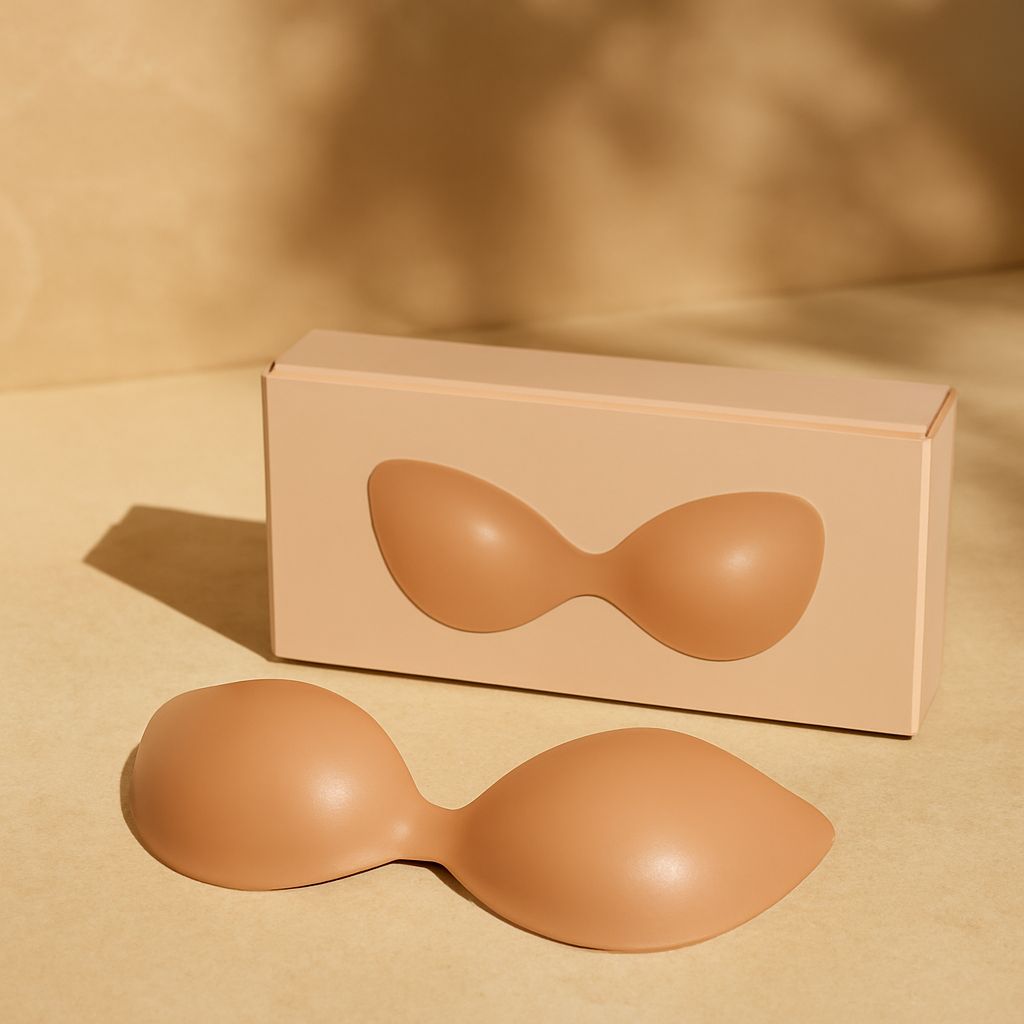
Silicone skin bras provide an innovative solution for those seeking support and comfort without the constraints of traditional bras. Made from medical-grade silicone, these bras adhere directly to the skin, offering a seamless and invisible look under clothing.
Benefits of silicone skin bras include:
- Comfort: Soft and lightweight, they conform to the body’s natural shape.
- Flexibility: Suitable for various outfits, especially those with challenging necklines.
- Reusable: With proper care, these bras can be worn multiple times, making them a cost-effective choice.
It’s important to follow usage instructions carefully to prevent skin irritation. Those with sensitive skin should test the product on a small area before full application.
Exploring Organic Skin Lighteners
With growing awareness around skin health, many are turning to organic skin lighteners as a natural alternative to traditional bleaching agents. These products aim to reduce hyperpigmentation and even out skin tone using ingredients derived from nature.
Popular organic lightening agents include:
- Licorice Extract: Known for its soothing and brightening properties.
- Kojic Acid: A natural compound that inhibits melanin production.
- Vitamin C: An antioxidant that promotes skin radiance and vitality.
When exploring organic skin lighteners, it’s essential to research and choose products with proven efficacy. Regular patch tests are recommended to avoid potential allergic reactions. As with any skin treatment, moderation and consistency are key for achieving desired results.
Bottom line: Whether dealing with habitual lip biting or seeking to refine your skincare routine, understanding the underlying causes and effective solutions is paramount. From recognizing your skin’s undertones to exploring innovative products like silicone bras, these insights can lead to healthier and more confident choices. Always prioritize safety and consult with professionals when needed, ensuring your skin care journey is both effective and enjoyable.



Leave a Reply