
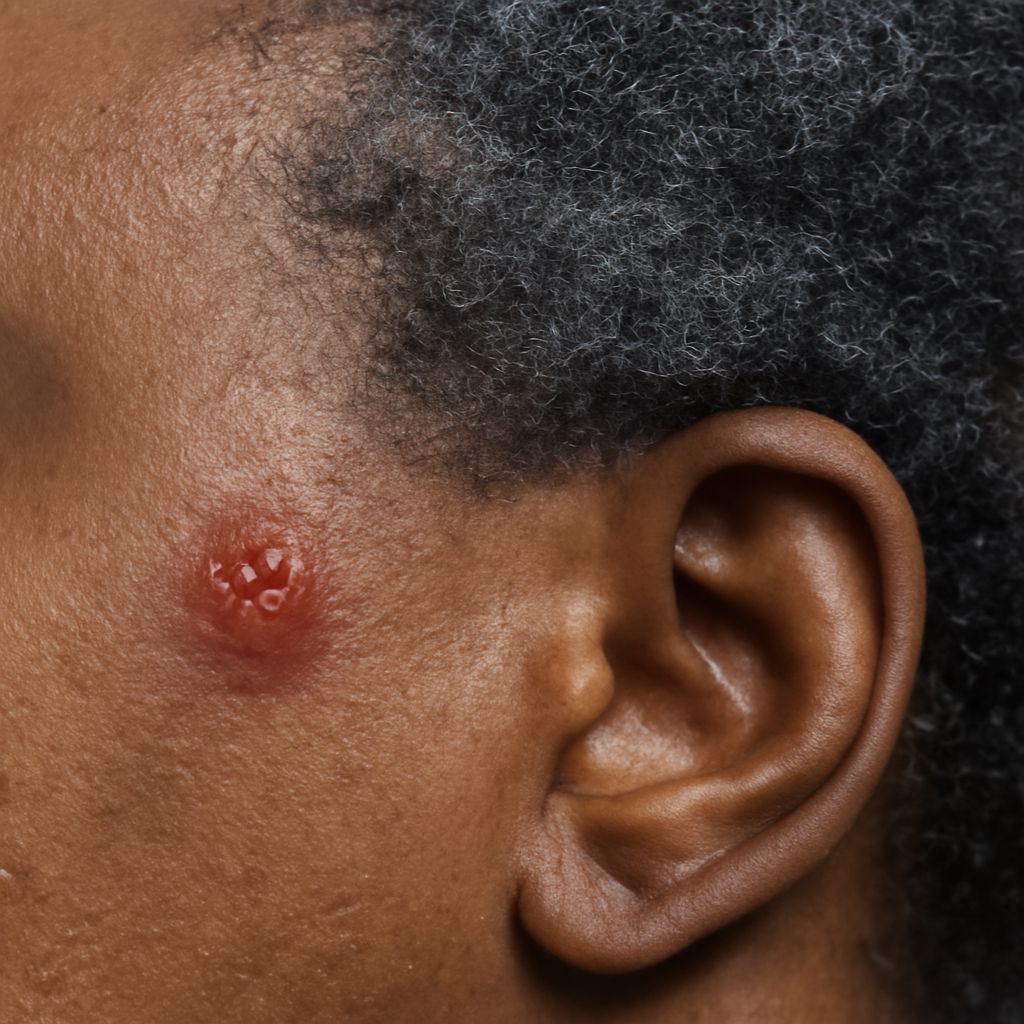
Encountering a red bump on your skin can be concerning, especially when you’re unsure of its origin. Skin bumps come in various forms and can arise from numerous causes, ranging from simple irritations to more serious skin conditions. Understanding the nature of these bumps and their causes is crucial in determining the appropriate course of action. Not every raised skin bump requires a visit to the dermatologist, but knowing when to seek professional advice is essential for maintaining healthy skin.
Fortunately, most skin bumps can be managed with simple home treatments and preventive measures. By identifying the cause of your red bump on skin, you can choose the best treatment strategy to alleviate any discomfort and prevent recurrence. Let’s explore the different types of skin bumps, their common causes, and effective treatments to help you maintain clear and healthy skin.
What Are Skin Bumps?
Skin bumps are small protrusions that form on the skin’s surface. They can vary in color, size, and texture, and often appear as red, white, or skin-colored masses. Bumps may be soft or hard, and can be accompanied by other symptoms such as itching, pain, or inflammation. While some skin bumps are harmless, others may indicate underlying skin conditions that require medical attention.
Common Causes of a Red Bump on Skin
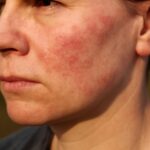
Red bumps on the skin are typically caused by inflammation or irritation. Common culprits include allergic reactions to cosmetics or laundry detergents, insect bites, and minor injuries. In some cases, red bumps may also be a result of conditions like acne, eczema, or dermatitis. It’s crucial to identify the specific irritant or allergen to prevent further skin aggravation.
Types of Raised Skin Bumps
There are several types of raised skin bumps, each with distinct characteristics. Common types include:
- Papules: Small, raised, solid bumps that are often red and can occur due to acne or skin irritation.
- Pustules: Similar to papules but filled with pus, usually resulting from bacterial infections or acne.
- Nodules: Larger, firm lumps that extend deeper into the skin and may be painful.
- Cysts: Closed pockets of tissue that contain fluid or semi-solid material, often requiring medical intervention for removal.
Identifying the type of bump can help determine the appropriate treatment and whether medical advice is necessary.
When to See a Doctor for Skin Bumps
While many skin bumps are harmless and resolve on their own, certain warning signs warrant a dermatologist’s consultation. Seek medical advice if a bump is painful, rapidly growing, or accompanied by other symptoms like fever, chills, or persistent itchiness. Additionally, if you notice any changes in color, shape, or size of a skin bump, it’s prudent to have it evaluated by a professional to rule out more serious conditions like skin cancer.
How to Treat Skin Bumps at Home
Treating skin bumps at home can often alleviate discomfort and accelerate healing. Here are some home remedies and treatments:
- Cold Compress: Applying a cold compress can reduce inflammation and soothe irritated skin.
- Over-the-Counter Creams: Anti-inflammatory and antibacterial creams can help treat minor irritations and infections.
- Avoiding Irritants: Identifying and avoiding the irritants or allergens that caused the bump is crucial in preventing further irritation.
- Proper Hygiene: Keeping the affected area clean and avoiding picking or squeezing the bump minimizes the risk of infection.
While home treatments can be effective for minor skin issues, persistent or severe bumps should be evaluated by a healthcare provider.
Preventing Future Skin Bumps
Preventing skin bumps involves maintaining a healthy skincare routine and being mindful of potential irritants. Consider the following preventive measures:
- Moisturize Regularly: Keeping your skin hydrated can prevent dryness and irritation.
- Use Gentle Products: Opt for hypoallergenic and non-comedogenic skin care products to reduce the risk of reactions.
- Protect Your Skin: Use sunscreen and protective clothing to shield your skin from harmful UV rays and environmental irritants.
- Monitor Diet and Hydration: A balanced diet and adequate water intake support overall skin health.
By taking these proactive steps, you can minimize the occurrence of skin bumps and maintain a healthy complexion.
Bottom line: While a red bump on skin can be alarming, understanding its cause and type is vital for effective treatment. Most skin bumps can be managed with simple home remedies, but seeking medical advice when necessary ensures your skin remains healthy and clear. Prioritizing prevention through proper skincare and lifestyle choices is key to avoiding future skin issues.

Leave a Reply