
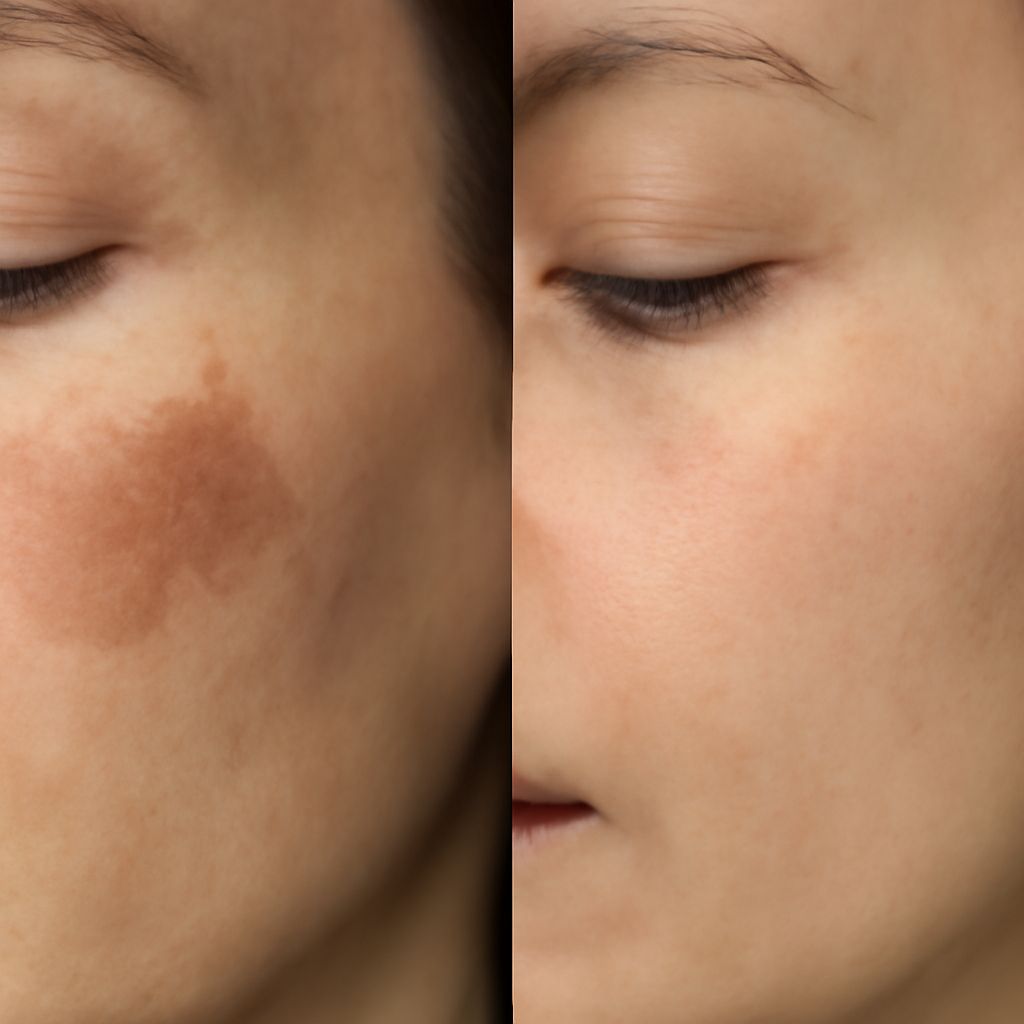
Skin discoloration on the face is a common concern for many individuals, manifesting as uneven skin tone, dark spots, or brown patches. This condition can be distressing, impacting self-esteem and the appearance of a healthy complexion. Understanding the underlying causes and exploring solutions can empower individuals to address these changes effectively and regain confidence.
Fortunately, there are numerous approaches available to combat the discoloration of the skin. From identifying the root causes and implementing home remedies to seeking professional treatments, there are various ways to tackle this issue. This guide delves into these aspects, offering a comprehensive overview of how to fix skin discoloration and prevent it in the future.
What Causes Skin Discoloration on the Face?
Skin discoloration can be attributed to various factors, including sun exposure, hormonal changes, aging, and certain medications. Prolonged exposure to the sun’s ultraviolet rays is one of the leading causes of dark patches and uneven skin tone. This exposure stimulates the production of melanin, leading to areas of hyperpigmentation.
Hormonal fluctuations, especially in women, can also result in discoloration, often referred to as melasma or the “mask of pregnancy.” Additionally, as we age, the skin’s natural cell turnover rate decreases, resulting in the accumulation of pigmented cells. Lastly, some medications can heighten skin sensitivity to the sun, exacerbating discoloration.
How Does Discoloration of the Skin Develop?
The process leading to discoloration of the skin involves an overproduction of melanin, the pigment responsible for skin color. This overproduction can be triggered by various external and internal factors. When the skin senses damage or irritation, it may produce excess melanin as a protective response, which can then cluster, forming visible patches.
Inflammation is another contributing factor. Post-inflammatory hyperpigmentation occurs when an injury or inflammation to the skin, such as acne or eczema, prompts a melanin response. This condition highlights the importance of protecting and nurturing the skin, especially after any form of irritation.
Identifying Brown Patches on Skin
Brown patches on the skin can appear in various forms and intensities. They might be small freckles or larger areas, known as solar lentigines or age spots, predominantly caused by sun damage. Melasma, characterized by symmetrical, blotchy brown patches, often appears on the cheeks, forehead, and upper lip.
To identify these patches, consider their color, size, and location. If there’s any uncertainty, consulting a dermatologist is recommended. They can offer a professional assessment, ensuring that these skin changes are benign and not indicative of a more serious condition.
How to Fix Skin Discoloration at Home
Addressing skin discoloration at home involves consistent care and the use of products that promote an even skin tone. Incorporating sunscreens with high SPF in daily routines can prevent further sun-induced pigmentation. The use of antioxidants, such as vitamin C serums, can also help lighten existing spots.
Natural remedies like aloe vera gel, which is known for its soothing properties, can aid in reducing inflammation and lightening discoloration. Likewise, ingredients such as niacinamide and licorice extract in skincare products can be effective in evening out skin tone over time.
Professional Treatments for Skin Discoloration
For more stubborn cases of discoloration, professional treatments may be necessary. Dermatologists can offer a range of solutions, from chemical peels to laser therapy, each targeting specific types of pigmentation. Chemical peels work by exfoliating the top layers of skin, promoting new cell growth and a more even complexion.
Laser treatments, such as intense pulsed light therapy, target melanin deposits directly, breaking them down and allowing the body to gradually eliminate them. Microneedling is another option, stimulating collagen production and aiding in skin rejuvenation.
Preventing Future Skin Discoloration
Preventing future discoloration involves adopting a proactive approach to skin care. Regular use of broad-spectrum sunscreen is paramount, as it shields the skin from UV rays that can exacerbate pigmentation. Wearing protective clothing and seeking shade during peak sun hours also offers additional defense.
Maintaining a skincare routine that includes gentle exfoliation can help in removing dead skin cells and reducing the risk of discoloration. Hydrating the skin and maintaining a healthy diet rich in antioxidants and vitamins can further support skin health and resilience.
Consistent monitoring of skin changes is crucial. Early intervention can prevent minor issues from developing into more pronounced discolorations.
Safety Recap: When considering professional treatments, it’s essential to consult with a qualified dermatologist to avoid adverse reactions. Additionally, while some tools and products can be beneficial, proper usage and patch testing are recommended to prevent skin irritation.



Leave a Reply