
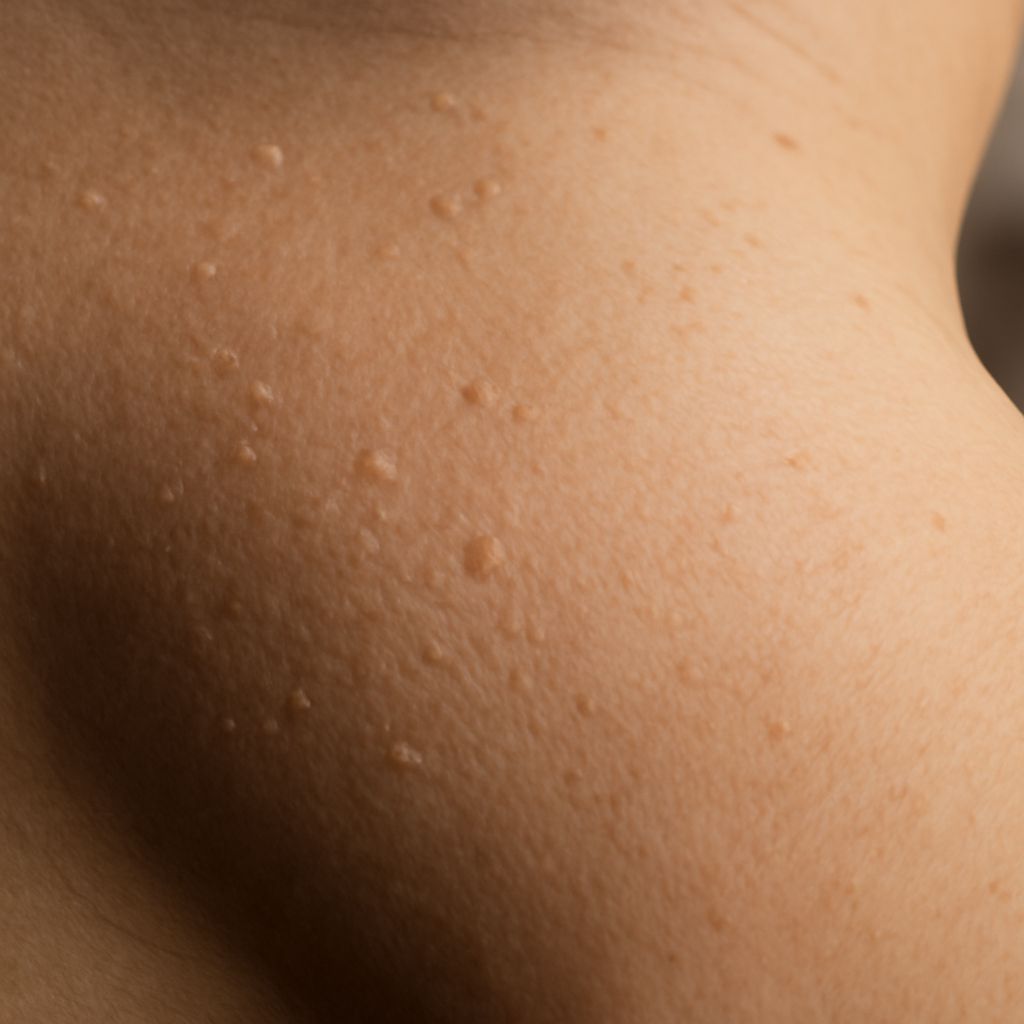
Dealing with skin colored bumps on the face can be a frustrating experience for many individuals seeking clear and smooth skin. These tiny imperfections, though often harmless, can affect one’s confidence and self-esteem. Fortunately, understanding the underlying causes of these bumps under the skin can guide you toward effective solutions and treatments. By identifying the type of skin issues you are dealing with, you can take steps to improve your complexion and maintain healthier skin.
The first step in addressing any skin condition is to identify the nature of the problem. Are the bumps under your skin a result of clogged pores, or are they indicative of a more complex dermatological condition? Knowing the cause of these tiny bumps under the skin is crucial for selecting the appropriate treatment and maintaining clear skin.
What Are Skin Colored Bumps on Face?
Skin colored bumps on the face are small, non-inflammatory protrusions that match or are slightly darker than your natural skin tone. These bumps often appear as tiny raised areas, giving the skin a bumpy texture. While they may not be painful or itchy, their presence can be bothersome, particularly when they occur in clusters. Common types include milia, closed comedones, and sebaceous hyperplasia.
What Causes Skin Bumps on Face?
There are several factors that can lead to the development of skin bumps on the face. One primary cause is the accumulation of dead skin cells and sebum in the pores, leading to the formation of comedones. Hormonal changes, especially during adolescence, can also play a role in the appearance of these bumps. Additionally, genetic predisposition and certain skincare products may contribute to the condition by irritating the skin or clogging the pores.
How Do Bumps Under Skin on Face Develop?
Bumps under the skin on the face often develop when the skin’s natural exfoliation process is disrupted. Instead of shedding, dead skin cells become trapped along with oil, forming a small plug. This can happen due to a variety of reasons including excessive oil production, improper cleansing routines, or using comedogenic skincare products. Over time, these plugs can harden, leading to the formation of visible bumps below the surface of the skin.
What Are the Common Types of Tiny Bumps Under Skin?
Tiny bumps under the skin can vary in type and origin. Some of the most common types include:
- Milia: Small cysts filled with keratin that typically form around the eyes and cheeks.
- Closed Comedones: Also known as whiteheads, these are blocked pores that remain closed at the surface.
- Sebaceous Hyperplasia: Enlarged sebaceous glands which appear as small, flesh-colored bumps.
- Dermatofibromas: Benign fibrous lesions that are slightly darker than the surrounding skin.
How Can You Treat Skin Colored Bumps on Face?
Treating skin colored bumps requires a multifaceted approach that involves both skincare and, in some cases, medical intervention. Start by adopting a gentle skincare routine that includes proper cleansing, exfoliating, and moisturizing. Products containing salicylic acid or glycolic acid can help in unclogging pores and promoting cell turnover.
For persistent or severe bumps, consider consulting a dermatologist who can provide treatments like chemical peels, microdermabrasion, or laser therapy. These procedures can effectively address underlying causes by removing dead skin cells and promoting a smoother skin surface.
It’s important to be gentle with your skin, especially when using tools or products that may be abrasive. Over-exfoliating or using harsh products can exacerbate skin sensitivity and lead to further breakouts.
When Should You See a Dermatologist?
While many skin colored bumps can be managed with over-the-counter treatments and good skincare practices, it is advisable to consult a dermatologist if you experience persistent, painful, or rapidly growing bumps. A dermatologist can provide a precise diagnosis and recommend targeted treatments that are tailored to your specific skin condition. Additionally, if your bumps show signs of infection, such as redness, swelling, or pus, seeking professional medical advice is crucial.
Safety Recap: When addressing skin colored bumps on the face, ensure that you choose treatments that are suitable for your skin type. Avoid excessive use of sharp tools to prevent skin damage. Always patch test new products to minimize the risk of irritation.




Leave a Reply