
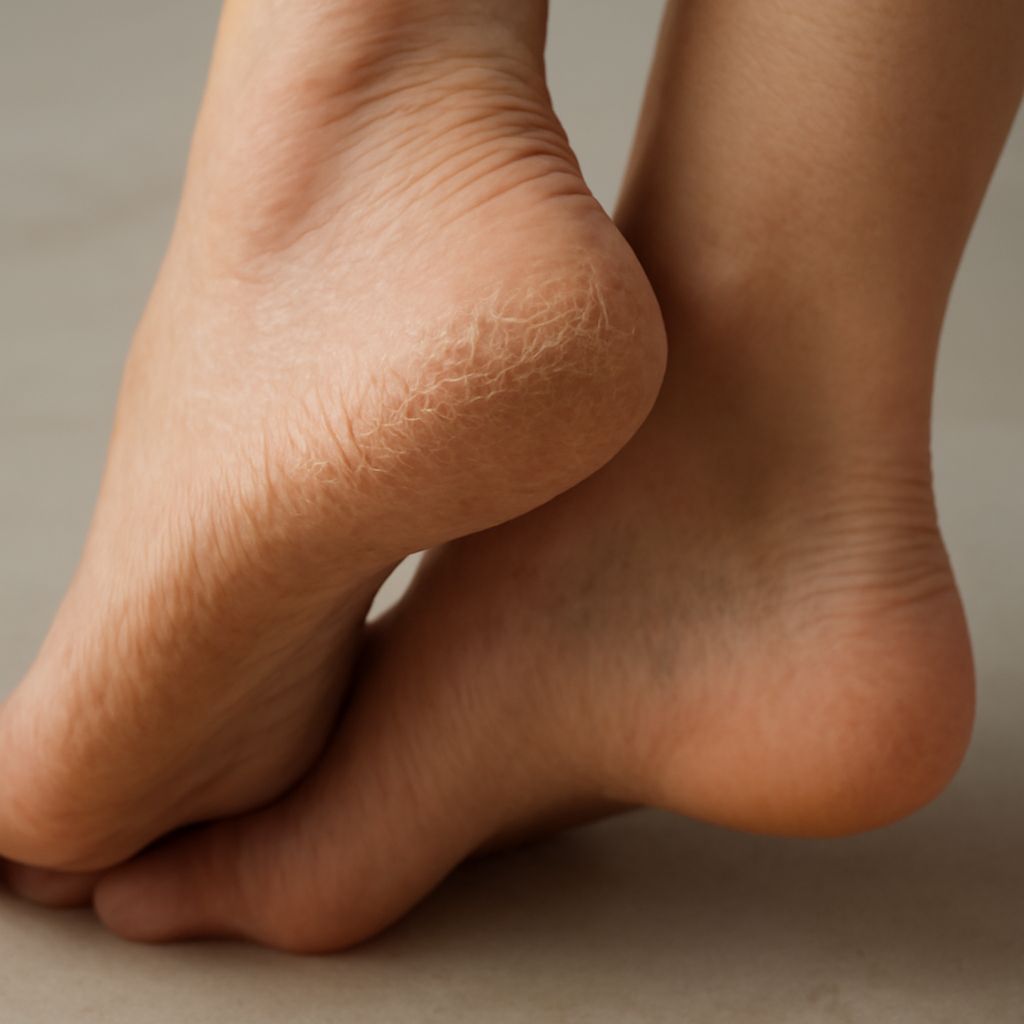
If you’ve ever noticed the bottom of your feet peeling thick skin, you are not alone. Many people experience foot skin peeling at some point, which can feel uncomfortable, embarrassing, or even concerning. This frustrating problem can develop gradually or suddenly, and often leaves people wondering what’s behind the shedding layers and how to restore healthy soles.
Fortunately, understanding the underlying causes of peeling feet allows you to take targeted steps towards relief. Whether dealing with dry skin, a specific skin condition, or environmental triggers, there are practical solutions and effective treatments to manage and prevent recurring foot skin peeling. Let’s explore the most common reasons behind this issue, associated skin conditions, and the steps you can take to care for your feet.
What causes foot skin peeling?
The skin on your feet is exposed to unique stresses and often develops thickened, rough patches as a natural defense. However, a combination of environmental factors, lifestyle choices, and underlying health issues can trigger layers of dead skin to loosen and slough away, resulting in varying degrees of peeling. One of the most frequent culprits is simple dryness—when feet lose moisture, the skin becomes brittle and may shed excessively.
Other contributing influences include prolonged exposure to hot water, harsh soaps, and walking barefoot on rough surfaces. Wearing tight shoes or non-breathable socks can increase sweating, leading to maceration and skin breakdown. In some cases, irritants or allergens from foot care products may also provoke a reaction, causing peeling or flaking skin.
Sometimes, foot skin peeling is a part of the natural renewal process, but when the shedding becomes obvious, uncomfortable, or is accompanied by additional symptoms such as redness, itching, or pain, it’s important to consider potential underlying causes. Addressing these triggers can help restore comfort and protect your feet from further harm.
It’s also worth noting that certain climates—particularly dry, cold environments—can strip the feet of protective oils, making the skin more prone to cracking and peeling. Adjusting your foot care routine based on the season may help minimize excessive dryness and maintain skin integrity throughout the year.
Why does the bottom of feet peel thick skin?
The bottom of the feet is uniquely susceptible to developing thick skin, particularly on the heels and balls of the feet. This is due to repeated pressure, friction, and the natural buildup of dead skin, which can harden into calluses. Over time, these callused areas may begin to peel in large, thick sheets, particularly if they become overly dry or are subjected to sudden changes in moisture, such as soaking and then drying out rapidly.
Excessive sweating, known as plantar hyperhidrosis, is another factor in thick foot skin peeling. When sweat is trapped against the skin without sufficient evaporation, it can soften and macerate the thick outer layer. As the skin dries, it often peels away in noticeable patches. This process is commonly seen in individuals who wear closed shoes for long periods, especially during hot weather or physical activity.
Improper or aggressive exfoliation practices—such as using sharp tools or strong chemical peels—can also cause the sole to shed thick layers prematurely. While removing dead skin is important, overdoing it may expose tender underlying tissue and provoke additional peeling. Always use gentle methods and consult a podiatrist if you are unsure about safe exfoliation techniques.
Finally, medical conditions such as eczema, psoriasis, and certain fungal infections frequently cause the bottom of the feet to peel thick, rough skin. When this shedding is persistent or accompanied by discomfort, seeing a healthcare professional can help identify the cause and guide appropriate treatment.
Which skin conditions are linked to foot skin peeling?
Several dermatologic conditions can directly result in peeling feet, often presenting with additional symptoms. Athlete’s foot (tinea pedis) is a very common fungal infection characterized by redness, itching, and flaking or peeling skin—particularly between the toes and along the soles. This condition thrives in moist environments, such as sweaty socks or communal showers.
Psoriasis is another chronic disorder that can cause the soles to develop thick, silvery scales and patches that flake away. Plantar psoriasis may be mistaken for calluses or eczema, but it is typically more persistent and can become painful without proper management. Eczema, including its variant dyshidrotic eczema, may lead to blisters, itching, and subsequent peeling on the feet.
Less commonly, contact dermatitis triggered by allergens or irritants—such as certain shoe materials, adhesives, or skincare ingredients—can provoke inflammation and peeling. In rare cases, more serious systemic conditions like hand-foot-and-mouth disease or Kawasaki disease can cause skin on the feet to shed, usually alongside other systemic symptoms.
Identifying the specific condition responsible for foot peeling is crucial, as proper diagnosis informs the most effective treatment strategy. If your peeling skin is persistent, severe, or associated with other signs of infection or disease, consult a dermatologist or podiatrist for evaluation.
How can you treat foot skin peeling at home?
Many mild cases of foot skin peeling can be successfully managed with targeted self-care. Start by gently soaking your feet in warm (not hot) water for 10–15 minutes to soften thick dead skin. After patting dry, use a pumice stone or foot file to carefully remove loose flakes—avoid vigorous scrubbing or using sharp tools, as this may lead to irritation or injury.
Moisturizing is essential for promoting healing and preventing further peeling. Apply a rich, fragrance-free foot cream or ointment daily, with special attention to the heels and any rough areas. Ingredients like urea, lactic acid, or salicylic acid can help soften and exfoliate thicker patches. For extra hydration, consider wearing cotton socks overnight after moisturizing to lock in moisture.
To address fungal causes, over-the-counter antifungal creams (containing clotrimazole or terbinafine) can be effective when used as directed. Foot powders may help absorb excess moisture and reduce the risk of infection in sweaty feet. However, if symptoms persist or worsen, seek medical advice for prescription-strength options.
It’s important to be cautious with foot peels or exfoliation masks, as aggressive treatments can increase sensitivity, especially for those with diabetes or compromised circulation. Never attempt to cut away thickened skin at home, as this may lead to painful cuts or infection. If you have any concerns about safety or underlying health conditions, consult a healthcare provider before trying new treatments.
When should you see a doctor about bottom of feet peeling thick skin?
Though most cases of peeling feet are harmless and respond well to home remedies, certain warning signs indicate the need for professional evaluation. If you notice persistent pain, swelling, redness, open sores, or signs of infection (such as pus or spreading redness), consult a doctor promptly. These symptoms may signal an underlying condition that requires specific medical treatment.
Additionally, if your foot skin peeling does not improve after several weeks of at-home care, or if it is accompanied by severe itching, blistering, or thick cracking skin, it’s time to seek expert input. Individuals with diabetes, poor circulation, or suppressed immune systems should be especially vigilant, as they are at greater risk for complications from even minor foot injuries.
Healthcare providers may perform a physical examination, take a skin scraping to rule out fungal infections, or recommend blood tests to check for systemic causes. Tailored treatments—such as prescription creams, oral medications, or specialized wound care—may be necessary for stubborn or medically complex cases.
Early intervention is key to preventing complications and restoring comfort. Don’t hesitate to reach out to a podiatrist or dermatologist with any concerns about persistent or worsening foot skin issues.
How can you prevent foot skin peeling in the future?
Prevention starts with a consistent and gentle foot care routine. Moisturize your feet daily, especially after bathing, to maintain healthy skin and reduce the risk of thick, dry patches developing. Choose mild, non-irritating cleansers and avoid prolonged exposure to hot water, which can strip the skin’s natural oils.
Wear moisture-wicking socks and well-fitted, breathable shoes to minimize sweating and friction. Change socks regularly and allow shoes to dry thoroughly between uses. If you are prone to fungal infections, consider using an antifungal powder or spray, and avoid walking barefoot in public pools, locker rooms, and communal showers.
Routine exfoliation—using a pumice stone or gentle foot file—can help prevent excessive buildup of dead skin, but always avoid over-scrubbing or using sharp implements. If you notice recurrent peeling or develop new symptoms, review your skincare products for potential allergens or irritants.
Regular foot check-ups are particularly important for those with diabetes or circulatory issues; early detection and management of minor skin changes can prevent more serious complications down the line. By adopting these preventive strategies, you can help keep your soles soft, comfortable, and free from troublesome peeling.
Bottom line: While foot skin peeling and thick shedding on the soles can be distressing, understanding the causes and adopting proper care can restore healthy feet. Persistent or worsening symptoms should be evaluated by a healthcare professional to ensure optimal treatment and lasting comfort. Your feet deserve attention and care—don’t ignore changes that could signal a need for help.


Leave a Reply