
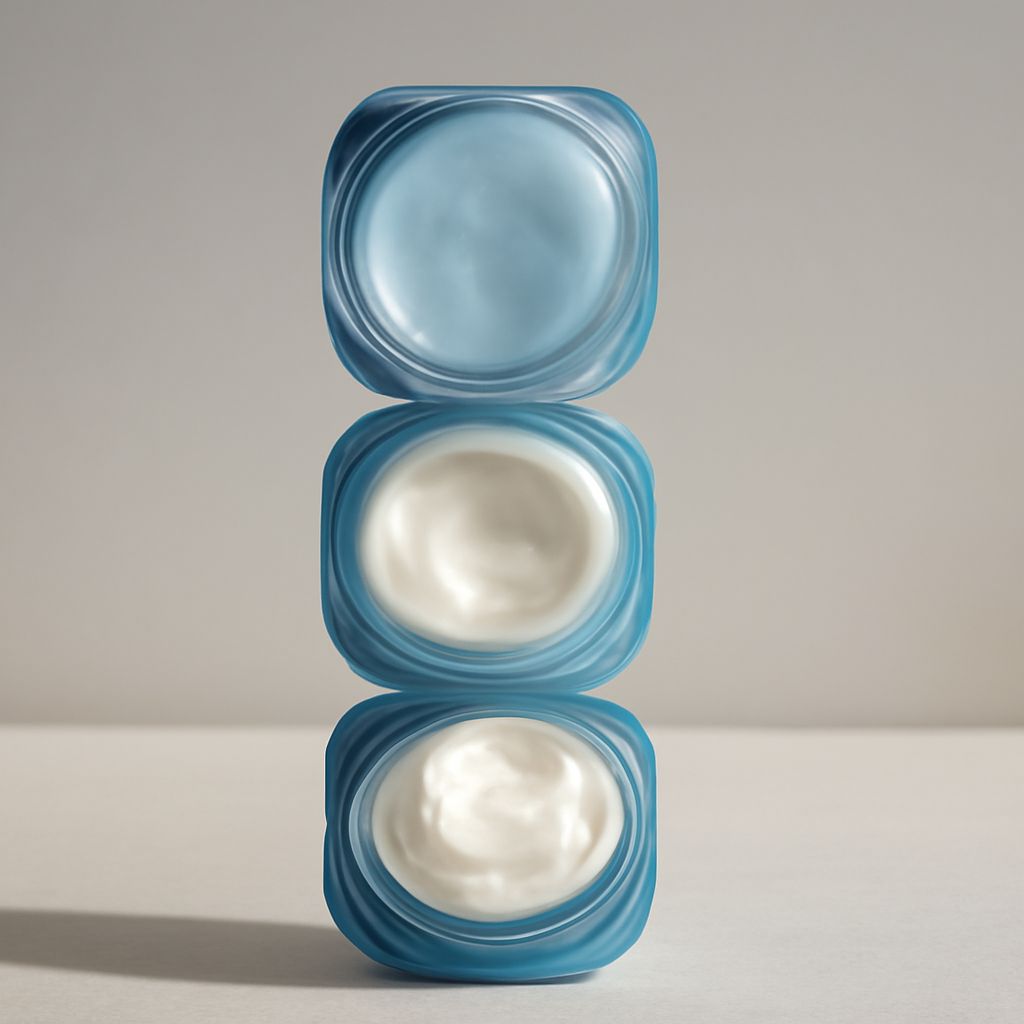
Dry, delicate skin can feel like a never-ending battle—tightness, flakiness, and irritation are all too common, especially if your complexion is also sensitive. Finding the right skincare products is crucial when your skin reacts easily, but with such a variety on the shelves, choosing a sensitive skin moisturizer that actually soothes, hydrates, and protects is no small task. Mistakes can lead to redness, burning, or a worsened dryness, making it essential to pick the best moisturizer for sensitive skin with care.
Whether you’re seeking relief from persistent dryness or hoping to improve your skin’s resilience, understanding how moisturizers for dry skin differ and what ingredients are truly beneficial can make all the difference. This guide will walk you through the essentials of selecting a product tailored for sensitive, dry skin, helping you avoid common pitfalls and develop a nourishing routine that restores your skin’s comfort and glow.
What Makes a Sensitive Skin Moisturizer Different from Other Moisturizers?
Sensitive skin moisturizers are formulated with a distinct purpose: to hydrate while minimizing the risk of irritation. They differ from standard creams and lotions by excluding common irritants, such as fragrance, alcohol, and harsh preservatives, which can provoke reactions in delicate complexions. Instead, these specialized moisturizers for sensitive skin use milder, hypoallergenic ingredients designed to support the skin’s natural barrier and prevent inflammation.
Unlike general creams, a moisturizer crafted for sensitive types often features a simpler ingredient list. This helps reduce the chance of triggering allergic responses or flare-ups. Even the texture is carefully chosen—lightweight lotions for those prone to oiliness, or richer balms and ointments for those with very dry, fragile skin. By focusing on gentle hydration, these products address the unique challenges faced by sensitive-skinned individuals, such as stinging or redness after application of standard products.
Additionally, sensitive formulas are extensively dermatologically tested and often non-comedogenic, meaning they won’t clog pores—a crucial consideration for those balancing dryness with breakouts. This careful design ensures maximum hydration and comfort without sacrificing your skin’s peace.
Why Do People with Dry Skin Need Special Moisturizers?
Dry skin, or xerosis, lacks the necessary oils and moisture required to maintain a soft, resilient surface. This isn’t simply a matter of discomfort; chronic dryness can disrupt the skin’s protective barrier, leaving it vulnerable to environmental stressors, bacteria, and allergens. For those whose skin is also sensitive, the risk of irritation and inflammation is even higher.
Special moisturizers for dry skin are formulated to offer deeper, longer-lasting hydration compared to ordinary lotions. They’re designed with emollients and humectants that work together to draw in water and seal it into the skin’s upper layers. By creating a protective film, these creams help your skin retain essential moisture and prevent further dehydration.
Moreover, the best moisturizers for people with both dryness and sensitivity avoid ingredients that might strip the skin or exacerbate irritation. They focus on calming, replenishing, and reinforcing the skin’s natural defenses. Without the right hydration, sensitive skin quickly becomes more reactive, so choosing a dedicated product is vital for maintaining comfort and supporting overall skin health.
Ultimately, the needs of dry, delicate skin go beyond simple softness. Only specialized products provide the right balance of hydration and protection required to restore suppleness, minimize tightness, and keep the complexion calm and clear.
Which Ingredients Should You Look for in Moisturizers for Dry Skin?
When scanning labels for the ideal moisturizer for dry, sensitive skin, it’s essential to prioritize ingredients that hydrate, soothe, and shield without causing flare-ups. Some of the most effective components include:
- Ceramides: Naturally occurring lipids that help repair and reinforce the skin’s barrier, preventing moisture loss.
- Glycerin: A powerful humectant that draws water into the skin and locks it in, maintaining lasting hydration.
- Hyaluronic acid: Known for its ability to hold up to 1,000 times its weight in water, this ingredient plumps and moisturizes without feeling heavy.
- Shea butter and squalane: These emollients smooth rough patches, replenish lost oils, and offer protection, making them ideal for extremely dry complexions.
- Oat extract or colloidal oatmeal: Renowned for their soothing and anti-inflammatory properties, they relieve itching and calm irritated areas.
It’s equally important to steer clear of substances like synthetic fragrance, drying alcohols, and strong acids (like glycolic or salicylic acid) when choosing a sensitive skin cream. Instead, focus on gentle, naturally derived ingredients. Look for terms like “non-comedogenic,” “fragrance-free,” and “hypoallergenic” on the packaging—these are good indicators that a moisturizer is suitable for those with sensitivity and dryness.
Finally, if your skin lacks both oil and water, a combination of humectants (such as panthenol or aloe vera) with rich emollients will give you the best results. The right blend will keep your skin comfortable, soft, and less prone to external irritation.
How Can You Identify the Best Moisturizer for Sensitive Skin?
Searching for the best moisturizer for sensitive skin can be overwhelming, but there are clear signs that a product is up to the task. First, check the ingredient list for a focus on minimal, well-studied components. Fewer ingredients generally mean a lower risk of reactions. Dermatologist-recommended products and those that have undergone sensitivity testing are also wise choices.
Read labels carefully—look for certifications such as “allergy-tested,” “dermatologist-approved,” or “suitable for eczema-prone skin.” These stamps indicate that the moisturizer has been vetted for use on delicate, reactive types. Unscented or fragrance-free formulas are often safest for those with heightened sensitivities.
Texture also matters. Richer creams or ointments are generally better suited for very dry skin types, while lightweight, gel-based options may suit those who need moisture without feeling greasy. Always perform a patch test before fully incorporating a new product to ensure there’s no adverse response.
Ultimately, the best moisturizer for sensitive skin will leave your face feeling nourished, comfortable, and calm—never stinging, burning, or excessively oily. Track how your skin responds, and adjust as needed to find your optimal match.
What Common Mistakes Should You Avoid When Choosing a Sensitive Skin Moisturizer?
It’s easy to make missteps when selecting a moisturizer, especially with an overwhelming number of options boasting bold claims. One frequent error is choosing products based solely on marketing terms like “natural” or “herbal,” which don’t always guarantee gentle performance. Instead, focus on clinical testing and ingredient transparency.
Another pitfall is assuming that heavy creams are always better for dryness; while rich formulas can be beneficial, some can clog pores or feel suffocating. Ensure your moisturizer is non-comedogenic and appropriate for your skin’s unique needs. Conversely, opting for a very light lotion might not deliver enough hydration for deeply dry or flaky areas.
Overusing active ingredients—such as exfoliating acids or retinoids—can also exacerbate sensitivity. These actives, while beneficial in moderation, may disrupt the skin barrier when used too frequently in combination with a moisturizer, leading to more irritation rather than relief. Always introduce new products gradually, especially if your skin is prone to reactions.
Lastly, neglecting to patch test is a common oversight that can result in avoidable discomfort. Testing your chosen moisturizer on a small area before wider application helps you catch any potential issues early, ensuring a safer transition to your new routine.
How Can You Build an Effective Skincare Routine for Dry, Sensitive Skin?
Crafting a skincare routine for sensitive, dry skin starts with gentle cleansing—use a mild, non-foaming face wash that won’t strip essential oils. Follow with a soft patting motion to dry, avoiding harsh rubbing that could exacerbate irritation. While your skin is still slightly damp, apply your chosen sensitive skin moisturizer to lock in hydration.
For daytime, consider layering a protective, fragrance-free sunscreen over your moisturizer. Sun exposure can worsen dryness and sensitivity, so a mineral sunscreen with zinc oxide or titanium dioxide is often best tolerated by delicate skin. In the evening, you might add a soothing serum with ingredients like niacinamide or panthenol before moisturizing to enhance barrier repair.
Exfoliate sparingly—no more than once a week—using only the gentlest enzyme-based or lactic acid exfoliants if your skin can tolerate them. This helps remove dead cells without causing micro-tears or heightened reactivity. Hydrating masks containing oat or aloe can also be used weekly for an added boost.
Consistency is key. Reapply your moisturizer as needed, especially during colder months or in dry indoor environments. Listening to your skin’s feedback and making incremental adjustments helps prevent flare-ups and ensures sustained comfort and health for your delicate complexion.
Safety recap: If using sharp tools to remove dry flakes or if you experience heightened skin sensitivity, approach all new products with caution. Always follow patch testing and avoid over-exfoliation to maintain your skin’s comfort and barrier function.





Leave a Reply