
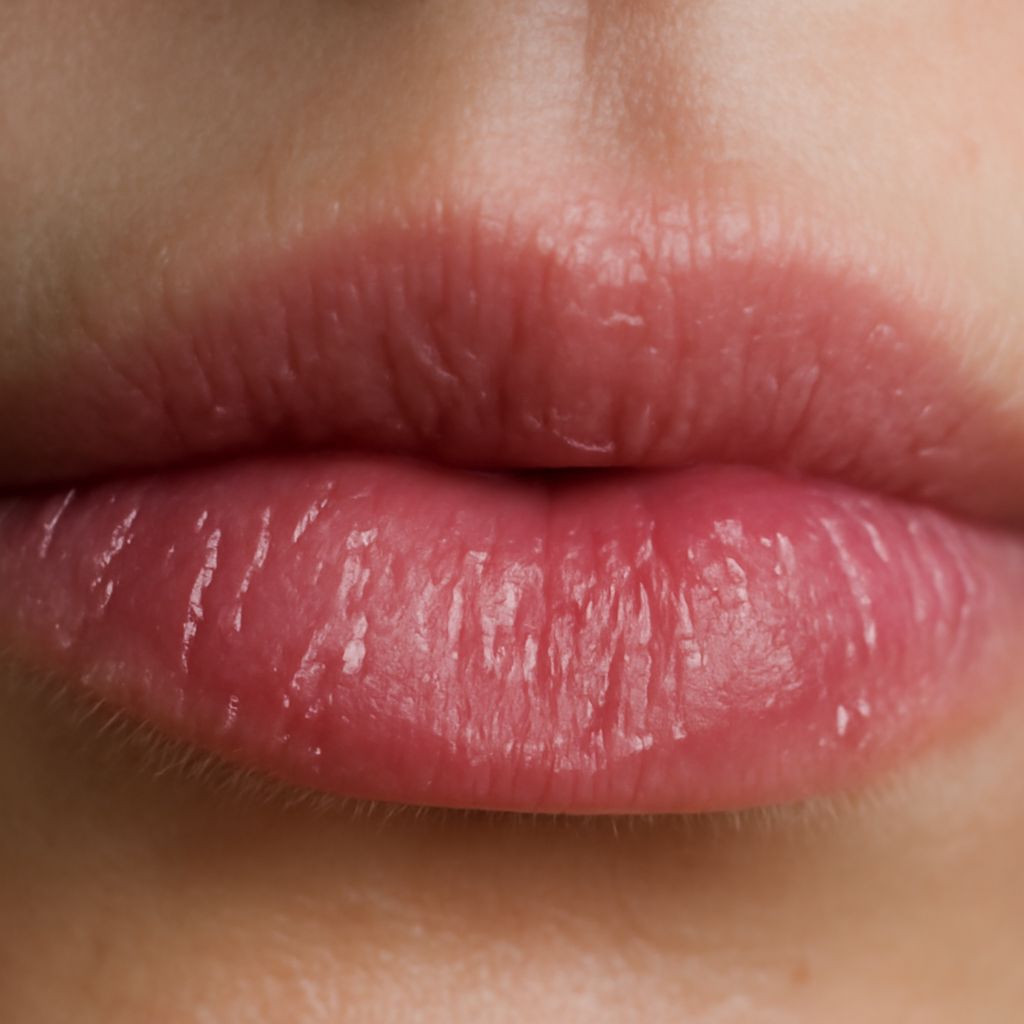
Dealing with dry skin on lips or persistent lip skin peeling can be uncomfortable, unsightly, and even painful. For many people—especially those prone to dryness—these issues are more than a minor annoyance. The thin, delicate skin on our lips is especially vulnerable to environmental stressors, dehydration, and even underlying health concerns. Fortunately, with the right remedies and knowledge, it’s possible to restore comfort and help prevent further lip discomfort.
This article explores the most common causes behind dry skin on lips and lip skin peeling, offers evidence-based home treatments, highlights soothing ingredients for chapped lips, and provides practical prevention tips. Read on to discover how you can achieve healthier, smoother lips and when it might be time to consult a healthcare professional.
What Causes Dry Skin on Lips?
Lip dryness can arise from a range of everyday triggers. The lips, unlike most skin elsewhere on the body, lack oil glands, making them especially susceptible to moisture loss. Environmental factors such as cold, windy weather, low humidity, and exposure to the sun are leading culprits behind dry lip skin. Even indoor heating or air conditioning can strip moisture from the lips, especially during winter or in arid climates.
In addition to environmental stress, frequent lip licking is a common behavioral cause. While it may offer brief relief, saliva actually evaporates quickly, further drying out the lip surface and aggravating irritation. Certain habits, like breathing through the mouth or excessive talking, can also contribute to chapped lips by exposing them to more airflow and causing extra dehydration.
Not all causes are external. Some people experience dry or flaky lips as a result of allergies or sensitivities to oral care products, cosmetics, or foods. Ingredients such as fragrances, flavorings, and certain sunscreen agents can provoke a reaction on the delicate skin of the mouth. In rarer cases, underlying medical conditions—such as thyroid disorders, vitamin deficiencies, or autoimmune diseases—can be responsible for chronic lip issues.
Medications, including retinoids, chemotherapy drugs, and some acne treatments, often have side effects that include excessive dryness or peeling on the lips. If you’ve recently started a new medication and notice these changes, this could be the culprit.
Why Does Lip Skin Peeling Happen?
When the lips become overly dry, their natural protective barrier is compromised. This leads to the outermost layer of skin losing its ability to retain moisture, resulting in visible flaking and peeling. Repeated cycles of dryness, followed by peeling, often leave the lips feeling raw and tender. Lip skin peeling can sometimes be accompanied by redness, small cracks (fissures), and even bleeding in severe cases.
Peeling is often exacerbated by picking at or biting the dry flakes, which disrupts the healing process and exposes deeper layers of skin. Not only does this slow down recovery, but it also increases the risk of developing painful sores or secondary infections. For individuals who are prone to eczema or atopic dermatitis, the lips may be especially sensitive, and peeling can occur easily even with minimal dryness.
Excessive exfoliation—whether mechanical, such as scrubbing the lips with a toothbrush, or chemical, like using strong acids or peels—can also contribute to repeated lip peeling. The thinness of lip skin makes it more vulnerable than other areas, so gentle care is critical to avoid unnecessary trauma.
In rare instances, persistent peeling may be a sign of cheilitis, an inflammation of the lips. Cheilitis may be caused by allergic reactions, chronic irritation, fungal or bacterial infections, or underlying health conditions. If peeling is ongoing or accompanied by other concerning symptoms, it warrants further evaluation.
How Can You Treat Dry Skin on Lips at Home?
For the majority of people, simple at-home remedies can make a significant difference in healing and protecting dry or peeling lips. The cornerstone of treatment is frequent, gentle hydration. Applying a nourishing lip balm or ointment throughout the day helps restore the natural lipid barrier, locking in moisture. Look for products that are fragrance-free and hypoallergenic to minimize irritation.
Incorporating non-petroleum alternatives, such as shea butter, lanolin, or natural plant oils, can also be effective for those who prefer more natural products. These ingredients offer emollient properties that smooth and soften dry patches. For overnight relief, a thicker occlusive ointment—like plain petrolatum or a lanolin-based balm—can provide intensive moisture while you sleep.
Hydration isn’t limited to topical products. Drinking plenty of water throughout the day supports overall skin health, including the lips. If your home environment is very dry, using a humidifier can help maintain optimal moisture levels in the air and prevent your lips from drying out further.
If you need to exfoliate, opt for gentle homemade scrubs made from sugar and honey, or use a soft washcloth. Be careful to avoid over-exfoliating, and always follow with a soothing balm. Avoid picking or biting at flakes, as this can worsen irritation and delay healing. If you spend a lot of time outdoors, be sure to use a lip balm with broad-spectrum SPF to protect against sun-induced dryness.
Which Ingredients Help Soothe Lip Skin Peeling?
Several ingredients are proven to relieve the symptoms of lip skin peeling and provide deep hydration. Occlusives like petrolatum and white petroleum jelly are widely recommended for their ability to create a protective barrier that locks in moisture. Lanolin, derived from sheep’s wool, is both nourishing and gentle, making it a popular choice for even very sensitive lips.
Natural oils, such as coconut oil, jojoba oil, and olive oil, are rich in fatty acids and antioxidants that support healing and replenish the lips’ natural barrier. Shea butter is another excellent plant-derived emollient that softens rough patches and reduces inflammation. Beeswax is often included in balms for its ability to seal in hydration while allowing the skin to breathe.
Humectants like glycerin and hyaluronic acid attract water into the upper layers of the lips, offering immediate and lasting moisture. Aloe vera gel and calendula extract can soothe redness and irritation thanks to their anti-inflammatory properties. When selecting a product, look for those that are free of alcohol, menthol, camphor, or added fragrances, as these may cause further dryness or stinging.
For those with allergies or sensitivities, patch testing a new lip product on a small area of skin before wide application can prevent unexpected reactions. If you prefer to go natural, a dab of pure coconut oil or lanolin is usually well-tolerated by most skin types.
When Should You See a Doctor About Lip Issues?
While most cases of dry and peeling lips resolve with home care, there are situations where medical evaluation is important. If your lips remain persistently dry or chapped despite diligent moisturizing, or if you notice ongoing redness, swelling, open sores, or pain, consult a dermatologist. These symptoms may point to cheilitis, an allergic reaction, a fungal or bacterial infection, or other medical concerns requiring targeted treatment.
People experiencing deep cracks that bleed, blisters, or crusting should seek professional advice, as these can signal more serious conditions. If you notice a persistent white patch, hard lump, or ulcer that does not heal over several weeks, it’s crucial to have it checked for possible precancerous changes, especially if you have significant sun exposure history.
Certain groups—such as those with autoimmune disorders, immunosuppression, or chronic health problems—may be more prone to complications and should see a healthcare provider if lip symptoms are severe or recurrent. Children with ongoing lip issues should also be evaluated, as persistent dryness can sometimes be a sign of nutritional deficiencies or allergies.
If you are using topical steroids or strong acne medications and develop severe dryness or peeling, discuss your symptoms with your doctor to adjust your regimen safely.
How Can You Prevent Dry Skin on Lips and Peeling?
Preventing dryness and lip skin peeling requires a combination of good habits and proactive skincare. Regularly applying a nourishing, protective lip balm—especially before going outdoors, eating, or sleeping—creates a barrier against moisture loss. Opt for products with SPF to shield your lips from UV rays, which can worsen dehydration and cause long-term damage.
Avoid licking your lips, as saliva quickly evaporates and leaves the lips drier than before. If you tend to breathe through your mouth, try to practice nasal breathing when possible, especially in dry or cold environments. Keeping your home air humidified can also help, as dry indoor air is a frequent cause of wintertime chapping.
Be mindful of the ingredients in your oral care and cosmetic products. Choose gentle, fragrance-free toothpaste, lipsticks, and balms, and discontinue any product that causes tingling, stinging, or increased dryness. Minimize the use of exfoliating lip scrubs, and never pick or bite at flaky patches.
Lastly, supporting your skin’s health from within by staying hydrated, eating a balanced diet rich in vitamins B, C, and E, and protecting your lips from extreme weather can greatly reduce the risk of recurring dryness and peeling.
Key takeaways: Dry skin on lips and peeling are common but manageable with the right care. Use gentle, hydrating products and protect your lips from environmental stressors. If symptoms persist or worsen, seek professional advice to rule out underlying health issues and ensure proper treatment.

Leave a Reply