
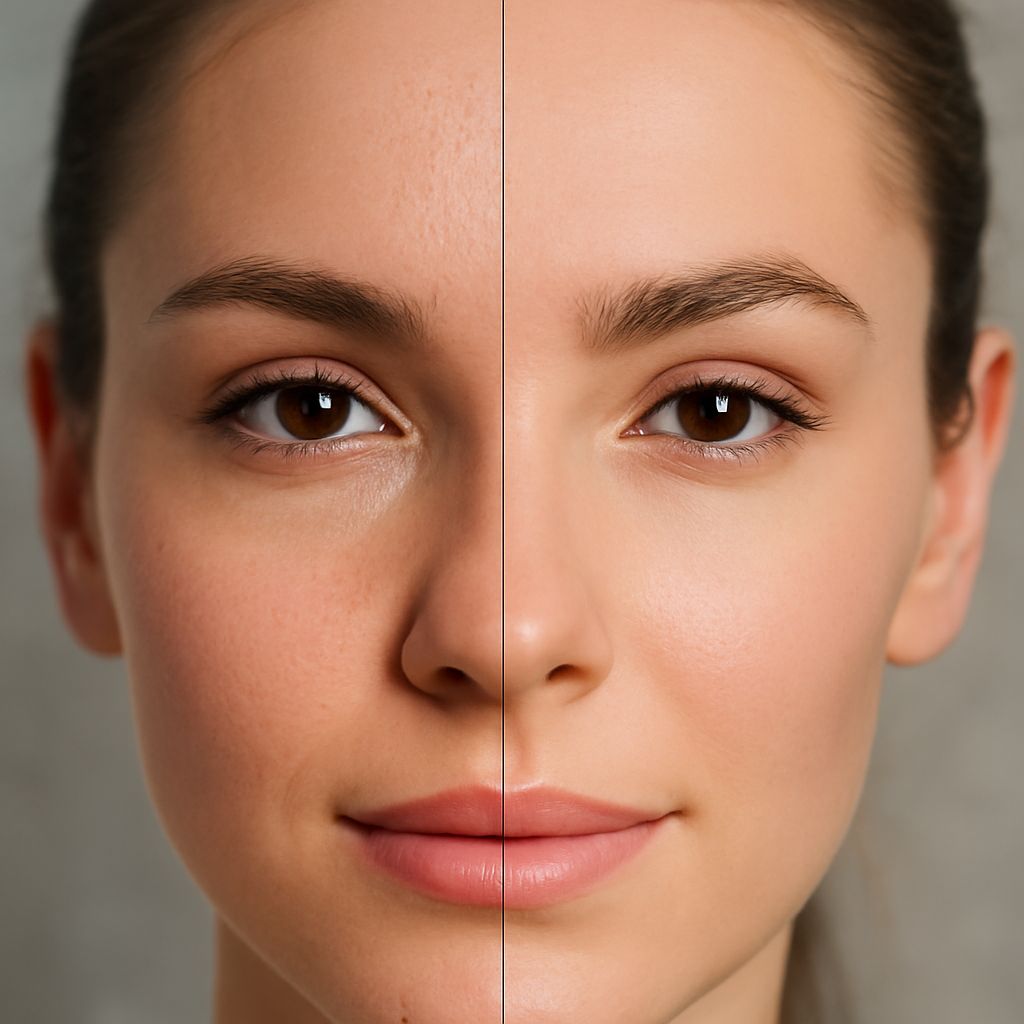
Skin pores are often a source of concern for many, with the quest for smoother, clearer skin driving endless searches for effective solutions. These tiny openings, essential to your skin’s health, can become problematic when clogged or enlarged, leading to issues like acne and an uneven complexion. Understanding porous skin and how skin pores function is crucial in maintaining a healthy, glowing appearance. By identifying the causes and exploring solutions, you can effectively manage your skin’s health.
Fortunately, there are numerous ways to care for your skin pores and minimize their appearance. From skincare routines to professional treatments, managing skin pores involves a comprehensive approach that addresses both external factors and lifestyle habits. Let’s delve into the intricacies of skin pores and how you can manage them effectively.
What Are Skin Pores and Why Do They Matter?
Skin pores are small openings on the surface of the skin, serving as passageways for sweat and sebum, which are vital for maintaining skin’s moisture and health. These pores are directly connected to hair follicles, playing a crucial role in protecting your skin against environmental damage.
Understanding the importance of skin pores goes beyond aesthetic concerns. Properly functioning pores help with the expulsion of toxins and maintain a balanced skin environment, which is essential for overall skin health. Neglecting them can lead to complications such as acne and increased skin sensitivity.
How Do Skin Pores Affect Porous Skin?
Porous skin refers to skin with noticeably visible pores, which can be a cosmetic concern for many individuals. These enlarged pores can lead to oil accumulation and acne breakouts. Skin type, genetics, and age can influence the visibility and size of your pores, affecting your skin’s overall appearance.
Managing porous skin involves understanding how to balance oil production and keep the pores clean. The right skincare routine can help reduce the appearance of pores and improve skin texture, giving you a more refined look.
What Causes Enlarged Skin Pores?
Enlarged skin pores can be attributed to several factors, including genetics, aging, and excessive oil production. As you age, the skin loses elasticity, which can cause pores to appear larger. Furthermore, excessive sun exposure can thicken the skin, leading to more noticeable pores.
Genetics also play a crucial role in determining pore size. If your parents have large pores, chances are you might too. Hormonal changes, especially during puberty, can increase oil production, making pores appear bigger.
How Can You Minimize the Appearance of Skin Pores?
Effective Skincare Routines
Establishing a consistent skincare routine is vital in reducing pore visibility. Cleansing twice daily with a gentle cleanser can help remove dirt and oil buildup. Exfoliating regularly using products with salicylic acid or glycolic acid can also help to unclog pores and remove dead skin cells.
Using a toner can help to tighten pores and restore the skin’s natural pH balance. Regularly moisturizing with a non-comedogenic moisturizer ensures that your skin remains hydrated without clogging pores. Sun protection is also crucial; applying a broad-spectrum sunscreen daily can prevent sun damage and maintain skin elasticity.
Lifestyle Changes
Adopting healthy lifestyle habits can significantly impact the condition of your skin. Adequate hydration, a balanced diet rich in antioxidants, and regular exercise can enhance skin health and reduce pore size. Avoiding smoking and excessive alcohol consumption is also beneficial.
Managing stress effectively can also help control hormonal fluctuations that might affect oil production and pore appearance. Practicing relaxation techniques like yoga or meditation can support overall well-being and skin health.
Are There Treatments for Porous Skin?
There are several professional treatments available for those seeking more targeted solutions for porous skin. Chemical peels can effectively remove damaged outer skin layers, reducing pore size and improving skin texture. Microdermabrasion is another option, offering an exfoliating treatment that buffs away dead skin cells.
Laser therapy and microneedling are advanced methods that stimulate collagen production, enhancing skin elasticity and minimizing pore appearance. It’s important to consult with a dermatologist to determine the most suitable treatment based on your skin type and concerns.
Which Products Are Best for Managing Skin Pores?
When selecting products for managing skin pores, opt for those containing ingredients like retinol, niacinamide, and clay. Retinol boosts cell turnover, reducing pore size, while niacinamide helps control oil production and improves skin barrier function.
Clay masks are excellent for absorbing excess oil and impurities, providing a deep cleanse that can minimize pore visibility. Always choose non-comedogenic products that won’t clog pores, and patch-test new products to ensure they suit your skin type.
When Should You Consult a Dermatologist About Skin Pores?
If over-the-counter products and lifestyle changes do not yield the desired results, or if you experience skin irritation, consulting a dermatologist is advisable. A professional can provide personalized advice and recommend treatments tailored to your skin’s needs.
Dermatologists can also help identify any underlying skin conditions that might be contributing to your pore concerns, ensuring that you receive comprehensive care and optimal results.
Bottom line: Understanding and managing skin pores is key to maintaining healthy, vibrant skin. By adopting proper skincare routines, considering professional treatments, and making lifestyle changes, you can achieve smoother, clearer skin. Always prioritize your skin’s health and consult professionals when needed to ensure your approach is both safe and effective.

Leave a Reply