

Dealing with a mysterious rash or a ring-like pattern on your skin can be both frustrating and concerning. Often mistaken for other conditions, the ring on skin could be a sign of skin ringworm, a common fungal infection. Understanding the causes and symptoms of this condition is essential in finding an effective solution.
Fortunately, skin ringworm is manageable with the right treatment and preventative measures. This article delves into what skin ringworm is, how to identify it, and the various methods available to treat and prevent this condition, ensuring your skin stays healthy and rash-free.
What is Skin Ringworm?
Skin ringworm, despite its name, is not caused by a worm. It is a fungal infection that creates a characteristic ring-shaped rash. This condition, medically known as tinea, occurs when dermatophyte fungi invade the outer layers of the skin. Ringworm can affect various parts of the body, including the scalp, feet, and groin. While it is usually harmless, it can be highly contagious and uncomfortable if not treated promptly.
How is a Ring on Skin Identified?
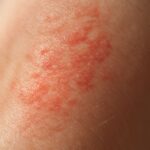
Identifying a ring on the skin as ringworm involves recognizing specific symptoms. The primary sign is a red, circular rash with a clear center and a scaly, raised border. It may be itchy and slightly inflamed. In some cases, the rash can develop blisters or pustules. The appearance might vary depending on the infection’s location, with some presenting as more dry and scaly patches.
Proper diagnosis often involves a visual examination and sometimes a skin scraping test analyzed under a microscope. This ensures the condition is indeed ringworm and not another skin issue, such as eczema or psoriasis.
What Causes Skin Ringworm?
Skin ringworm is caused by the transmission of dermatophyte fungi. These fungi thrive in warm, moist environments and can spread through direct contact with an infected person or animal. Shared items like towels, clothing, and bedding can also facilitate the spread of the fungus. Public areas such as swimming pools and locker rooms are common places where the infection can be contracted.
Individuals with weakened immune systems, excessive sweating, or those who use communal facilities frequently are at a higher risk. Keeping skin clean and dry is essential to prevent infection.
How Can You Prevent Skin Ringworm?
Preventing skin ringworm involves maintaining good hygiene and making informed lifestyle choices. Here are some strategies:
- Keep skin clean and dry: Regularly wash your skin, especially after sweating, and ensure it is thoroughly dried.
- Avoid sharing personal items: Do not share towels, clothing, or grooming tools with others.
- Wear protective clothing: Use footwear in communal showers and locker rooms to minimize exposure.
- Take care of your pets: Regularly check pets for signs of ringworm, as they can be carriers.
By adopting these practices, you can significantly reduce your risk of developing a skin ringworm infection.
What Are the Treatment Options for Ring on Skin?
Once diagnosed, treating ring on skin involves a combination of topical and oral antifungal medications. Over-the-counter creams, such as clotrimazole or miconazole, are often effective for mild cases. These should be applied to the affected area as directed, usually for two to four weeks.
For more severe infections or those that do not respond to topical treatments, a doctor may prescribe oral antifungal medication. It’s crucial to complete the full course of treatment to ensure the infection is fully eradicated.
During treatment, maintain good hygiene and avoid scratching the affected area to prevent further irritation or spread of the infection. It’s also wise to wash clothes and bedding regularly at high temperatures to kill any lingering fungi.
When Should You See a Doctor for Skin Ringworm?
While many cases of skin ringworm can be treated at home, there are times when professional medical advice is necessary. Seek a doctor’s help if:
- The rash does not improve after using over-the-counter treatments for a few weeks.
- The infection appears to be spreading or worsening.
- Symptoms are severe, or you have multiple infected areas.
- You have a compromised immune system or other underlying health issues.
Consulting with a healthcare provider ensures proper diagnosis and treatment, preventing potential complications.
Bottom line: Skin ringworm is a common yet manageable condition. Recognizing its symptoms and following recommended treatments can effectively address the infection. Maintaining good hygiene and being mindful of shared spaces and items are key to prevention. Always consider professional medical advice if the situation doesn’t improve or worsens.




Leave a Reply