
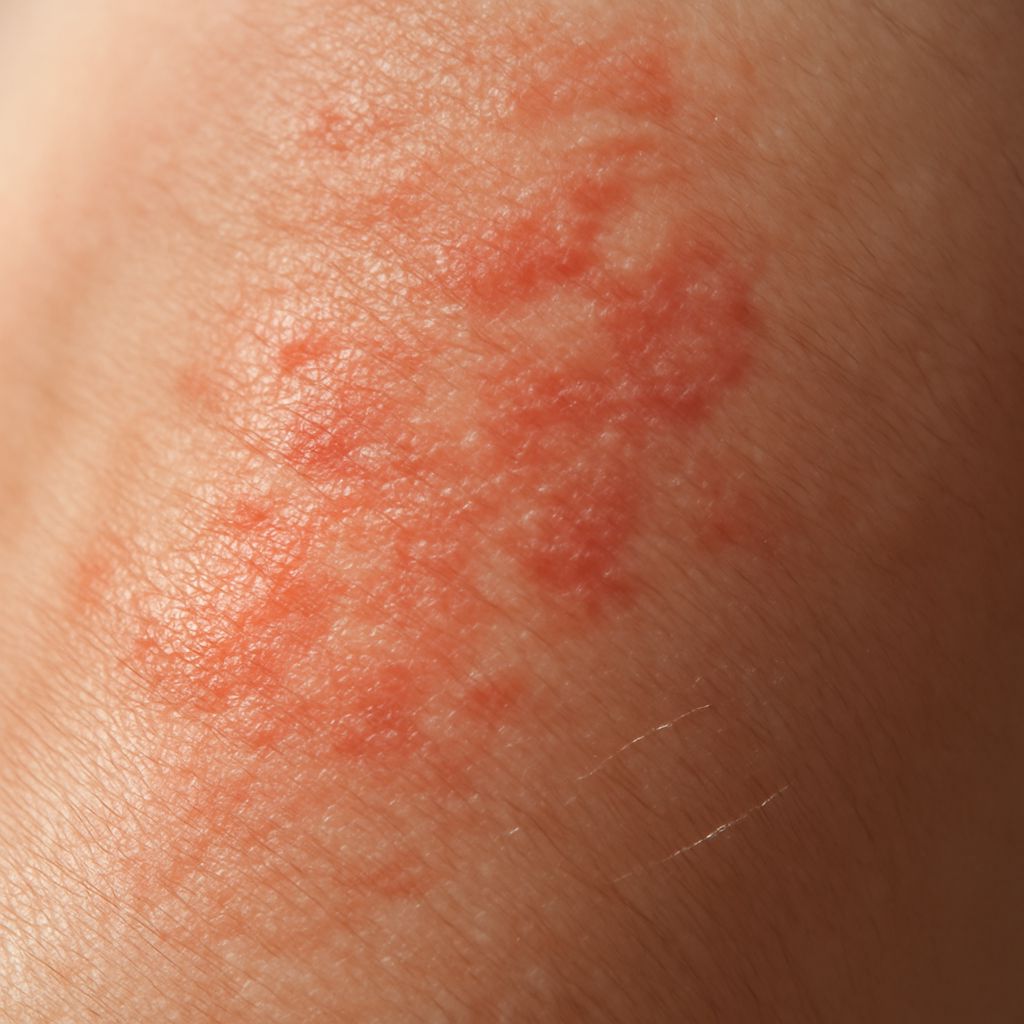
It’s not uncommon for individuals to notice that when they scratch their skin, it turns red and bumps appear. This reaction can be confusing and alarming, especially if it happens frequently or without an obvious cause. Understanding the reasons behind these symptoms is the first step towards managing them effectively. There are various factors, including skin conditions and lines on skin, that can contribute to this type of reaction.
Fortunately, solutions exist to address this common issue. By exploring the potential causes of skin redness and bumps, and understanding how conditions like allergies can play a role, you can take informed steps to alleviate these symptoms. This article will guide you through these aspects and help you determine when it’s necessary to seek professional advice.
What Causes Redness and Bumps When I Scratch My Skin?
When you scratch your skin, it may turn red and develop bumps due to the body’s inflammatory response. This reaction is often a result of increased blood flow to the area as the body sends signals to protect the skin from perceived harm. In some cases, the bumps can be linked to conditions such as dermatitis or urticaria, commonly known as hives, which are triggered by scratching or pressure.
Dermographism, a condition where lines on skin appear after being lightly scratched, can also cause redness and welts. This physical urticaria is relatively harmless but may be indicative of skin sensitivity. Understanding these causes helps in managing and potentially reducing such reactions.
How Do Lines on Skin Relate to Skin Conditions?
Lines on skin, particularly those appearing after scratching, can signal underlying skin conditions. Dermographism is a key example where raised lines form in response to pressure or minor injury. While often benign, these lines may suggest heightened skin reactivity.
Another consideration is eczema, where skin can become inflamed and itchy, leading to pronounced lines and potential cracking. Exploring skin textures and patterns can provide insights into the health of your skin and highlight areas that may require more attention or a change in skincare routine.
Can Allergies Cause Skin to Turn Red and Bumpy?
Allergies are a common culprit behind skin turning red and bumpy. Allergic reactions can be triggered by environmental factors, such as pollen or dust mites, or contact allergens like certain metals or fabrics. The immune system’s response to these allergens often results in histamine release, causing itching, redness, and swelling.
For individuals with allergies, identifying specific triggers is crucial. Allergy testing can help pinpoint what causes these reactions, enabling targeted avoidance strategies. Antihistamines and topical treatments can provide relief, but understanding the root cause is key to long-term management.
When Should I Seek Medical Advice for Skin Reactions?
While many skin reactions are mild and manageable at home, some situations warrant professional evaluation. If the skin reactions are persistent, worsen over time, or are accompanied by other symptoms such as fever or difficulty breathing, it’s critical to seek medical advice.
Additionally, if over-the-counter treatments fail to alleviate the symptoms or if the skin shows signs of infection, such as pus or spreading redness, consulting a dermatologist is recommended. Professional diagnosis can ensure appropriate treatment and provide peace of mind.
What Are Common Treatments for Skin Redness and Bumps?
Treatment for skin redness and bumps depends on the underlying cause. For minor irritations or allergies, topical creams containing corticosteroids or antihistamines can reduce inflammation and itching. Moisturizers containing soothing ingredients like aloe vera or chamomile can also be beneficial.
For conditions like dermographism, antihistamines are often the first line of treatment. In more persistent cases, a healthcare provider might recommend other medications or therapies. Maintaining a consistent skincare routine that includes gentle cleansing and moisturizing can support treatment efforts.
How Can I Prevent My Skin from Reacting?
Preventing skin reactions starts with identifying and avoiding known triggers. This might include using hypoallergenic skincare products, wearing protective clothing, or modifying your environment to reduce exposure to allergens.
Regular skin care practices, such as moisturizing and gentle cleansing, help maintain the skin’s natural barrier, reducing the likelihood of irritation. Staying hydrated and maintaining a balanced diet can also support skin health. If you have sensitive skin, consulting with a dermatologist can provide personalized strategies for prevention.
Key takeaways: Understanding why your skin turns red and bumpy when scratched helps identify underlying conditions or triggers. Recognizing symptoms and seeking appropriate treatments can prevent discomfort. If issues persist, consulting a healthcare professional is advisable for tailored advice.


Leave a Reply