
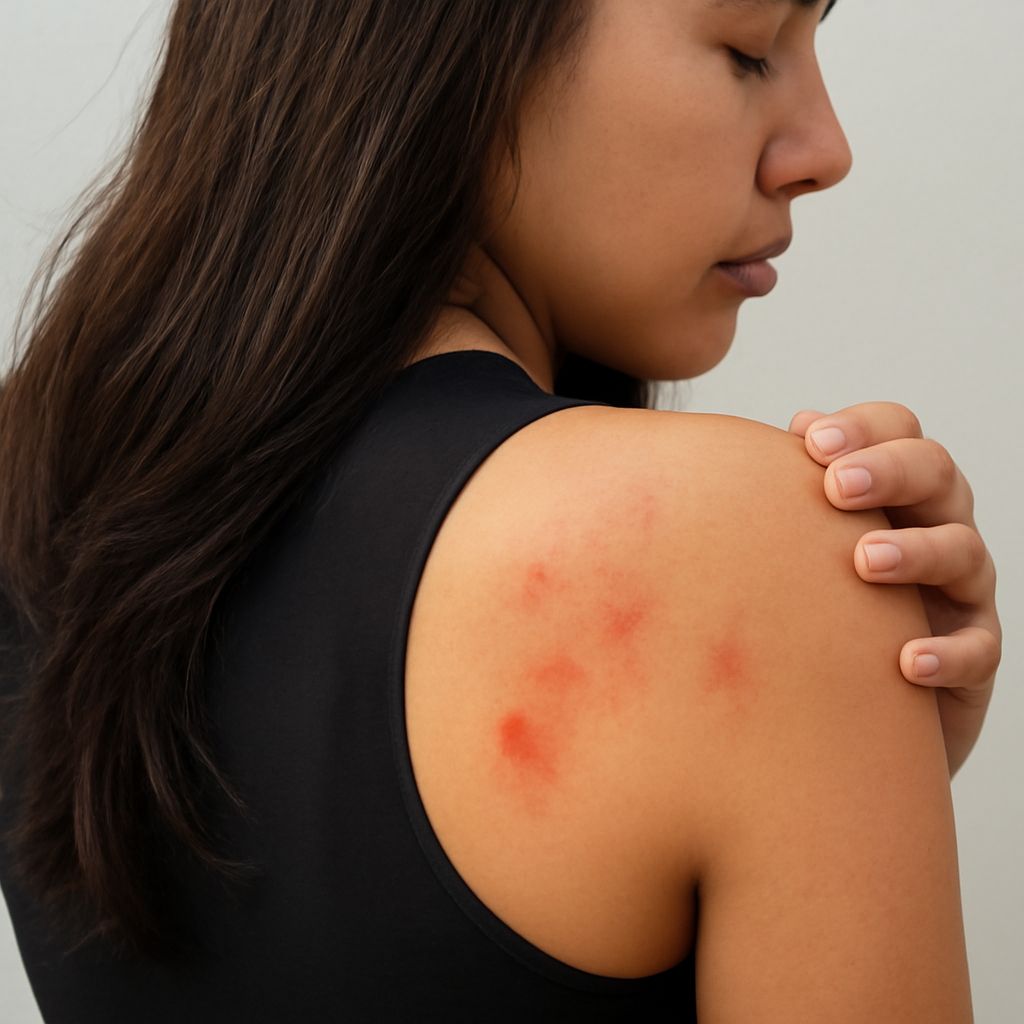
Experiencing a skin rash from stress can be frustrating and uncomfortable. Stress-induced skin conditions are not uncommon and can manifest in various forms, leaving many searching for effective solutions. Understanding the causes, symptoms, and treatment options for stress skin rash is essential for finding relief and preventing future occurrences.
This article delves into the underlying causes of stress skin rashes, how to identify them, and explores effective treatment and prevention strategies to help those affected manage their skin health better.
What Causes a Stress Skin Rash?
Stress can trigger a variety of physiological responses in the body, and skin is often one of the first areas to reflect these changes. When you’re under stress, the body produces cortisol and other hormones that can lead to inflammation and exacerbate existing skin conditions. This hormonal imbalance can cause or worsen rashes, leading to visible and often uncomfortable skin irritation.
Additionally, stress can weaken the immune system, making the skin more susceptible to irritants and allergens that may provoke a rash. Lifestyle factors associated with stress, such as poor diet and lack of sleep, can further contribute to skin problems.
How to Identify a Skin Rash from Stress
Identifying a skin rash caused by stress involves paying close attention to when the rash appears and its characteristics. Stress-related rashes often present as red, itchy patches or hives that can vary in size and shape. They may appear suddenly and are commonly found on the face, neck, chest, or arms.
If you notice that the rash coincides with periods of high stress or anxiety, it’s likely stress-induced. Keeping a diary of your emotions and any skin changes can help pinpoint whether stress is a contributing factor.
What Are the Common Symptoms of Stress Skin Rash?
The symptoms of a stress skin rash can vary but typically include redness, itchiness, and inflammation. In some cases, blisters or welts may form, and the skin may feel warm to the touch. The rash can be localized to one area or spread over larger portions of the body.
Persistent itching can lead to scratching, which may cause the skin to break, leading to potential infections. Observing these symptoms promptly and seeking appropriate care is crucial to prevent complications.
How Can You Treat a Skin Rash from Stress?
Treating a skin rash from stress involves addressing both the physical symptoms and the underlying stressors. Topical treatments such as antihistamine creams, hydrocortisone, or soothing lotions can help alleviate itching and inflammation.
Incorporating stress management techniques is equally important. Practices like deep breathing, meditation, or yoga can help reduce stress levels and, in turn, improve skin health. Consulting with a healthcare professional can provide additional treatment options tailored to your specific needs.
For severe or persistent rashes, it’s crucial to consult a dermatologist or healthcare provider. They can recommend prescription medications or therapies that address both skin symptoms and stress-related triggers.
Prevention Tips for Stress-Induced Skin Rashes
Preventing stress-induced skin rashes involves adopting a proactive approach to stress management and skin care. Regular exercise, a balanced diet, and sufficient sleep can bolster the body’s resilience against stress.
Establishing a consistent skincare routine that includes gentle, non-irritating products can also help protect the skin barrier. Being mindful of potential allergens and avoiding known irritants can prevent flare-ups.
Engaging in activities that promote relaxation and emotional well-being is vital. Regularly assessing your stress levels and implementing coping strategies can prevent the physical manifestations of stress, including skin rashes.
Bottom line: Understanding stress skin rash involves recognizing the connection between emotional health and skin conditions. By identifying triggers, treating symptoms, and incorporating stress-reducing practices, you can manage and prevent stress-induced skin issues effectively. For severe cases, professional medical advice is recommended.



Leave a Reply