
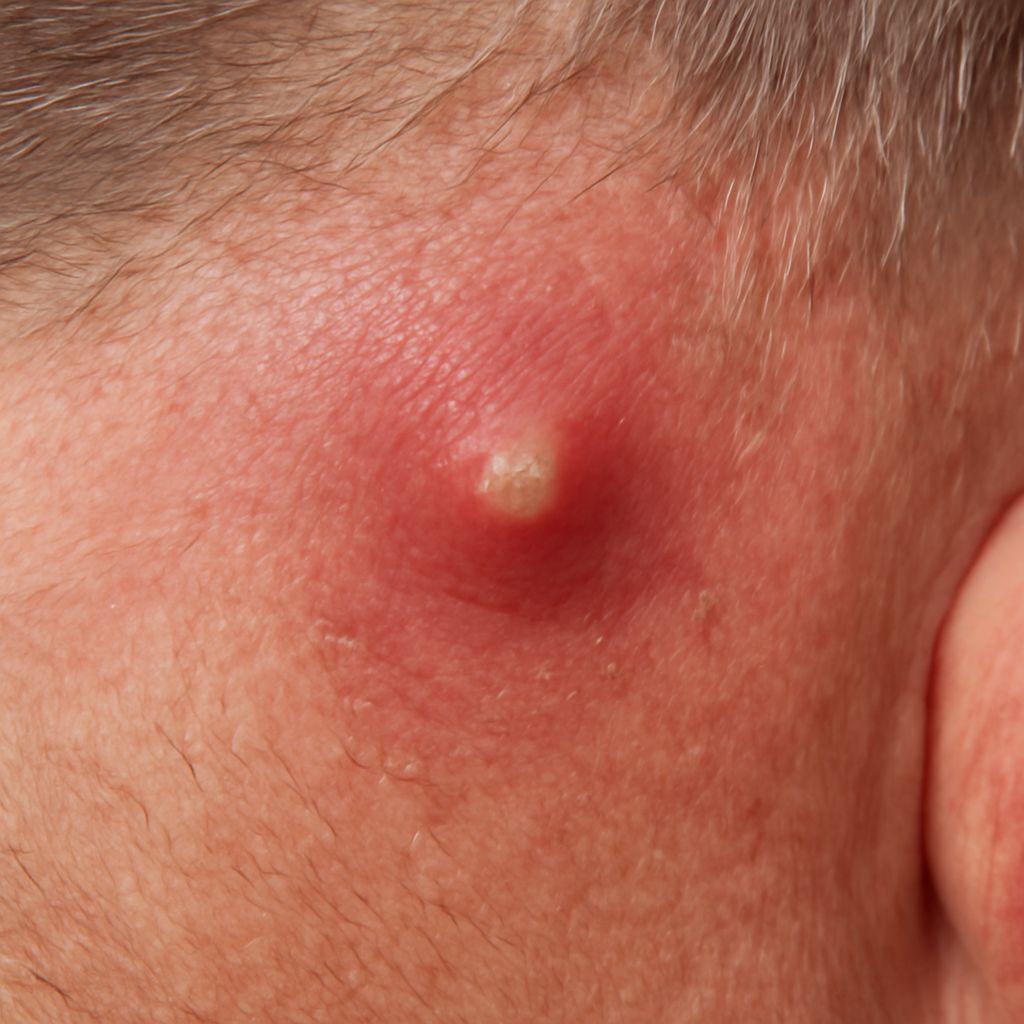
Skin abscesses are a common yet often painful condition, characterized by swollen, pus-filled areas that can cause significant discomfort. These abscesses can arise from various causes, including bacterial infections. Understanding their symptoms and available treatments is essential for effective management. This article explores the causes, symptoms, and treatments for managing these uncomfortable skin conditions, providing a comprehensive guide for those affected.
What is an Abscess on Skin?
An abscess on the skin is a localized infection where pus collects beneath the surface. It appears as a swollen, red area that may feel warm to the touch. Skin abscesses can occur anywhere on the body but are commonly found on areas prone to friction or minor injuries. They are usually caused by bacterial infection, leading to the rapid multiplication of bacteria and the accumulation of pus.
What Causes Skin Abscesses?
Skin abscesses primarily result from bacterial infections, with Staphylococcus aureus being a common culprit. These bacteria can enter through cuts, abrasions, or hair follicles, leading to an infection. Other factors such as poor hygiene, weakened immune systems, and existing skin conditions can increase the risk of developing abscesses. In some cases, foreign objects trapped under the skin or blocked sweat glands may also contribute.
How Can You Identify a Skin Abscess?
Recognizing a skin abscess is crucial for timely intervention. Symptoms typically include a painful, swollen lump that may be red and warm. The lump often fills with pus, creating a white or yellow center. You might also experience fever or general malaise if the infection spreads. If the abscess bursts, it may ooze fluid, which is a sign that medical attention might be needed.
What Are the Treatment Options for Skin Abscesses?
Several treatment options are available for managing skin abscesses. In many cases, home care like applying a warm compress can help the abscess drain naturally. Over-the-counter pain relievers may alleviate discomfort. However, larger or more persistent abscesses may require medical intervention. A healthcare professional might perform an incision and drainage procedure, sometimes followed by antibiotics to clear the infection. Always consult a doctor if you’re uncertain about the severity of the abscess.
How to Prevent Skin Abscesses?
Prevention is key to avoiding the discomfort and complications of skin abscesses. Good hygiene, including regular hand washing and proper wound care, can significantly reduce the risk. Avoid sharing personal items like towels or razors, which can spread bacteria. Maintaining a healthy lifestyle with a balanced diet and regular exercise can also bolster your immune system, reducing susceptibility to infections.
When Should You See a Doctor for a Skin Abscess?
It is essential to consult a doctor if a skin abscess does not improve with home treatment, becomes increasingly painful, or is accompanied by a fever. Additionally, if you have recurrent abscesses or underlying health conditions like diabetes, seek medical advice. Early consultation can prevent complications such as the spread of infection to deeper tissues.
Safety Recap: When dealing with skin abscesses, prioritize hygiene and seek professional help if necessary. If using sharp tools for drainage, ensure they are sterilized to avoid further infection.



Leave a Reply