
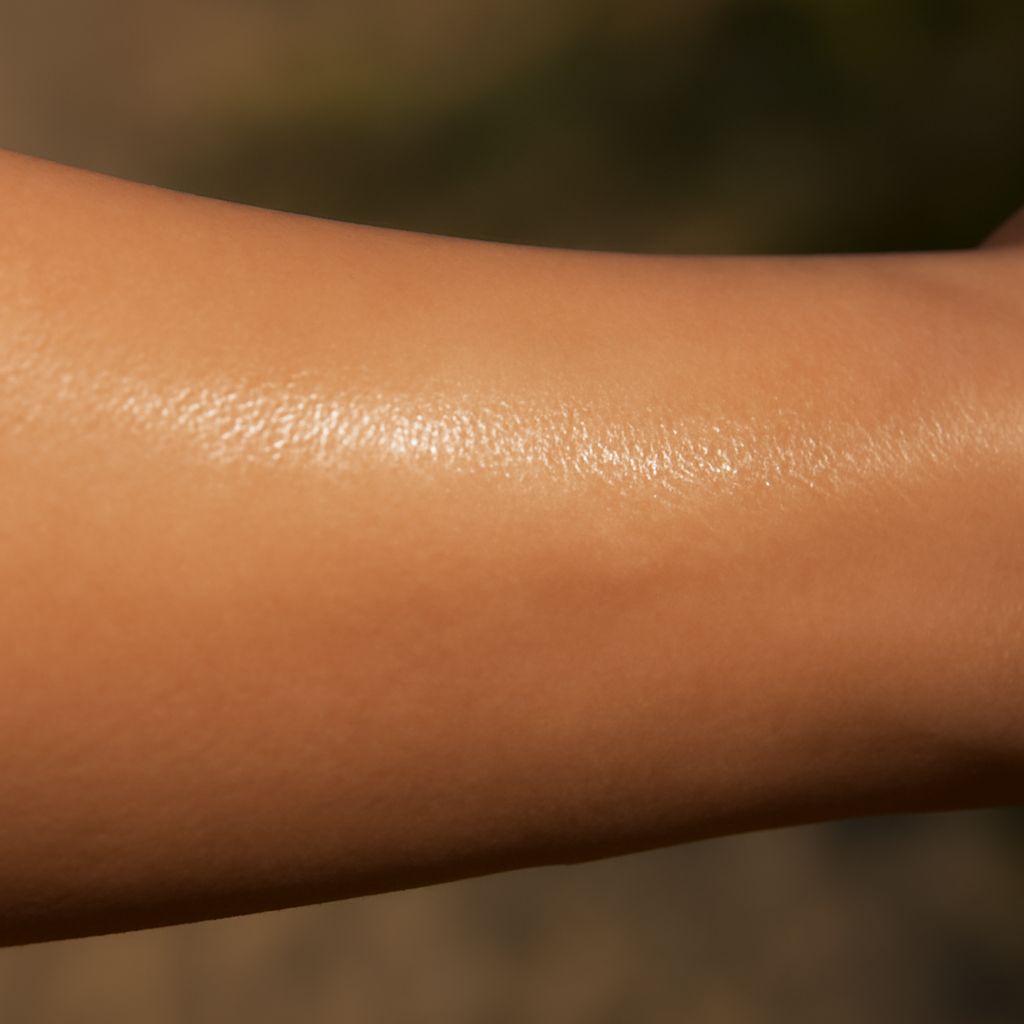
Experiencing hardening of the skin can be both alarming and uncomfortable, often signaling underlying health conditions that require attention. Sclerosis skin conditions, characterized by the hardening and tightening of the skin, may lead to various symptoms and complications. Understanding the causes and solutions for this condition can help manage symptoms and improve quality of life.
This article explores the causes behind sclerosis skin conditions, as well as the available treatment options and beneficial lifestyle changes. By understanding these aspects, individuals can make informed decisions about their skin health and when to seek medical advice.
What is Hardening of the Skin?
Hardening of the skin, commonly referred to as sclerosis, involves the thickening and tightening of the skin. This condition can vary in severity, with some individuals experiencing only minor skin changes while others face significant alterations affecting mobility and comfort. Sclerosis can manifest in localized areas or affect the entire body, depending on the underlying cause.
The condition may lead to symptoms such as stiffness, reduced elasticity, and even joint pain if the hardening extends to tissues beneath the skin. Understanding the specific type of sclerosis affecting you is crucial for determining the appropriate management and treatment approach.
What Causes Sclerosis Skin Conditions?
Several factors can contribute to the development of sclerosis skin conditions. Autoimmune diseases like systemic sclerosis are common culprits, where the immune system mistakenly attacks healthy tissues, leading to inflammation and skin hardening. Environmental factors, genetic predispositions, and infections can also play a role in triggering these conditions.
Exposure to certain chemicals and medications might initiate or exacerbate the hardening of the skin. Additionally, certain vascular issues can impair blood flow and contribute to the development of sclerosis. Identifying the underlying cause is essential for tailoring treatment strategies effectively.
How is Hardening of the Skin Diagnosed?
Diagnosing sclerosis skin conditions typically involves a thorough medical evaluation. Dermatologists often begin with a physical examination and detailed medical history review to understand the progression of symptoms. Various diagnostic tests, such as skin biopsies, blood tests, and imaging studies, may be conducted to identify the specific type and cause of the sclerosis.
These diagnostic tools help differentiate between localized and systemic forms of the condition, guiding the development of an effective treatment plan. Early diagnosis can prevent further complications and improve treatment outcomes.
What are the Treatment Options for Sclerosis Skin?
Treatment for sclerosis skin conditions depends on the underlying cause and the severity of skin changes. Options may include medications that reduce inflammation, suppress the immune system, or improve blood flow. Topical treatments, such as moisturizers and corticosteroids, can help manage symptoms and enhance skin flexibility.
In some cases, physical therapy may be recommended to maintain mobility and prevent stiffness. Advanced treatments, like phototherapy or laser therapy, might be considered for severe cases. Consulting with a healthcare professional can ensure that the chosen treatment aligns with individual needs and health conditions.
Can Lifestyle Changes Help with Skin Hardening?
Implementing lifestyle changes can significantly aid in managing sclerosis skin conditions. Staying hydrated and maintaining a balanced diet rich in nutrients supports skin health. Regular exercise can improve circulation, while stress management techniques like meditation and yoga may reduce inflammation and enhance overall well-being.
Avoiding exposure to extreme temperatures and harsh chemicals can prevent exacerbation of symptoms. Wearing protective clothing and using gentle skincare products can further protect sensitive skin. These proactive measures, along with medical treatment, can help manage skin hardening more effectively.
When Should You See a Doctor for Sclerosis Skin?
It is important to consult a healthcare provider if you notice unusual changes in your skin texture or if you experience symptoms like persistent stiffness, pain, or a rapid spread of skin hardening. Early medical intervention can prevent complications and improve prognosis.
If you have been diagnosed with an autoimmune condition or have a family history of sclerosis, regular check-ups can help monitor the condition and adjust treatments as necessary. Remember, addressing skin health promptly can lead to better management and improved quality of life.
Pro tips recap: Understanding the causes and treatments of hardening skin conditions is essential for effective management. Early diagnosis, appropriate medical interventions, and lifestyle modifications can collectively enhance skin health and mitigate symptoms. Always prioritize safety by consulting with healthcare professionals and making informed decisions about your skin care regimen.


Leave a Reply