
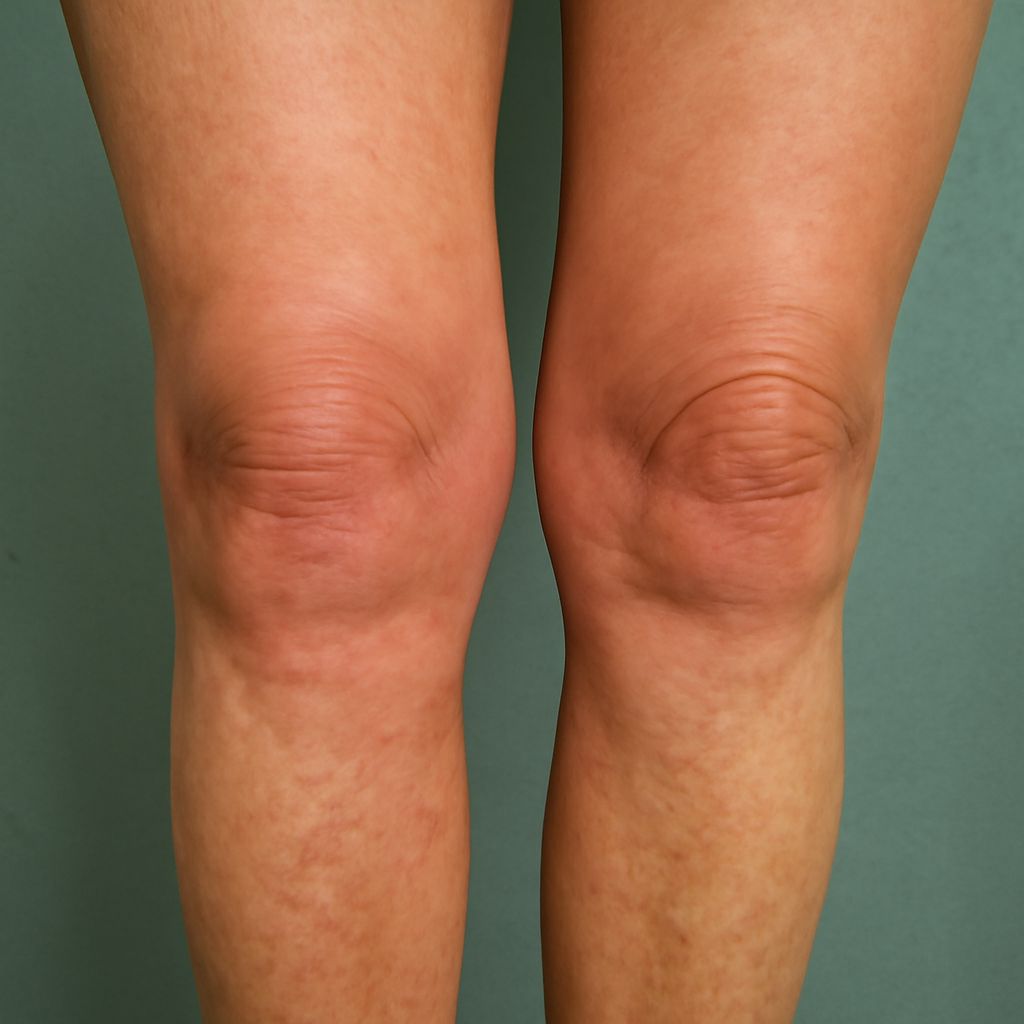
If you’ve noticed unusual, firm, and sometimes discolored patches appearing on your skin, you may be dealing with something more complex than a routine rash. These symptoms can cause discomfort and anxiety, especially when the cause is unknown. For some, this journey leads to a diagnosis of morphea skin disease—a rare condition that results in hard, thickened areas of the skin. Understanding morphea skin, including its causes, symptoms, and treatments, is key in managing this uncommon but impactful disorder.
While morphea skin disease is not life-threatening, it can significantly affect self-esteem, comfort, and daily function. Fortunately, with proper medical guidance and targeted care, its progression can often be slowed and symptoms eased. In this article, we’ll break down the essentials of morphea skin and provide clear insights into its development, diagnosis, and management.
What is Morphea Skin and How Does It Develop?
Morphea skin, often simply called morphea, is a localized form of scleroderma—a group of diseases characterized by hardening and thickening of the skin and underlying tissues. Unlike systemic scleroderma, morphea primarily affects the skin and sometimes the tissues just below it, but does not typically involve internal organs. The exact reason why morphea develops is not fully understood, but it is thought to relate to an abnormal response of the immune system, leading to increased collagen production. Collagen is the protein responsible for providing structure and strength to the skin, but in morphea, its excessive build-up results in characteristic firm, shiny, and sometimes slightly raised patches.
The development of morphea begins insidiously, with most patients first noticing small, oval, or linear patches that appear somewhat inflamed or red-violet. Over time, these plaques become more sclerotic (hard), changing color and texture. The progression can be slow, and in many cases, the affected areas eventually become pale, ivory, or waxy in appearance. While the condition can stabilize or even improve after some years, untreated morphea may result in permanent skin changes, including thinning, tightness, or even muscle involvement in deeper variants.
The onset of morphea skin disease can happen at any age, but it is most commonly diagnosed in children and young to middle-aged adults. Though rare, understanding its unique pattern of skin involvement is crucial for both patients and healthcare providers to ensure timely and accurate intervention.
What Are the Different Types of Morphea Skin Disease?
Morphea isn’t a one-size-fits-all diagnosis. Several types of this skin condition exist, each with its own pattern of distribution and severity. Recognizing the specific form of morphea is essential for determining the best management approach and anticipating potential complications.
The most common type is plaque morphea, which presents as one or more round or oval patches that are firm, slightly raised, and often lighter or darker than the surrounding skin. These plaques can be found anywhere but are most frequently seen on the trunk, arms, or legs. Linear morphea, another key variant, appears as a band or streak of hardened skin, typically on the limbs or face. This form is especially important to identify in children, since it may extend deeper and potentially impact growth, joint mobility, or underlying muscle and bone.
Other forms include generalized morphea, where multiple patches merge to cover larger areas of the body, and pansclerotic morphea, which involves all layers of the skin and deeper tissues, sometimes leading to significant disability. Bullous or atrophoderma types are rare but can cause distinct blistering or thinning, respectively. The variability in presentations highlights why a personalized assessment is essential for each patient experiencing morphea.
What Causes Morphea Skin Disease and Who Is at Risk?
The precise cause of morphea skin disease remains unclear, but it is believed to result from a combination of genetic predisposition and environmental triggers. The immune system seems to play a central role in the overproduction of collagen, leading to the hallmark thickened and hardened patches. While morphea is considered an autoimmune-related condition, specific autoantibodies found in systemic scleroderma are less commonly present in those with localized forms.
Certain factors may increase an individual’s risk of developing morphea. These include a personal or family history of autoimmune diseases such as lupus, rheumatoid arthritis, or vitiligo. Environmental factors like repeated trauma to the skin, radiation therapy, infections (such as Borrelia burgdorferi, the bacterium implicated in Lyme disease), and even certain medications have all been investigated as potential triggers, though evidence is not always consistent.
Morphea can affect people of all ages, but it is seen more frequently in females than males. Children and adults between the ages of 2 and 50 are at higher risk, with some forms being more common in specific age groups. Importantly, morphea is not contagious and cannot be spread from person to person.
How Is Morphea Skin Disease Diagnosed?
Diagnosing morphea skin disease involves a careful combination of clinical evaluation and laboratory tests. The journey usually begins with a thorough physical examination, where a healthcare provider will closely inspect the affected skin and discuss the onset and course of any symptoms. Since morphea can mimic other skin conditions—such as lichen sclerosus, localized scleroderma, or even certain fungal infections—a high index of suspicion is needed.
Skin biopsy is often the gold standard for confirming a diagnosis. During this procedure, a small sample of affected skin is removed—under local anesthesia—and examined under a microscope. The pathologist will look for characteristic changes such as thickened collagen bundles, loss of normal skin appendages, and other microscopic clues. This step is especially important if there is any uncertainty, or if deeper or atypical forms of morphea are suspected.
Blood tests may be ordered to rule out systemic involvement or to look for markers of autoimmunity, although these are not always positive in morphea. Imaging studies like MRI or ultrasound can help determine the depth of skin and tissue involvement, particularly for linear or pansclerotic forms. An early and accurate diagnosis is pivotal for initiating appropriate treatment and minimizing long-term complications.
What Are the Common Symptoms of Morphea Skin?
The most recognizable symptom of morphea skin is the development of one or more firm, thickened patches that feel hard to the touch. These areas, also called plaques, often start as slightly inflamed or violaceous discolorations, later becoming pale, glossy, or ivory-colored as the disease matures. The plaques may be round, oval, or linear depending on the subtype, and sometimes have a purplish border at the edges.
Other symptoms can include itching, tenderness, or a sensation of tightness, especially as the skin becomes less flexible. In more severe or deeper forms, the underlying fat, muscle, or even bone may be affected, leading to reduced joint mobility or visible deformity, particularly with linear morphea of the face or limbs. Hair loss, sweating reduction, or pigment changes on the involved areas can also occur due to damage to the skin’s normal structures.
Unlike systemic scleroderma, morphea rarely causes symptoms elsewhere in the body, such as digestive, lung, or kidney involvement. However, the altered appearance and texture of the skin can have a significant psychosocial impact, affecting self-image and quality of life. For this reason, emotional support and reassurance are important components of care.
What Treatments Are Available for Morphea Skin Disease?
Treating morphea skin disease is tailored to the individual, with the primary goals of reducing active inflammation, preventing skin thickening, and restoring flexibility and function. For mild, localized cases, topical therapies are often effective. These include corticosteroid creams to reduce inflammation, or vitamin D analogues that can help modulate immune activity in the skin.
In more extensive or rapidly progressive cases, systemic treatments may be required. Oral medications such as methotrexate or systemic corticosteroids are used to control inflammation and halt the progression of the disease. Phototherapy, specifically UVA1 light treatment, has shown benefit in some patients by softening plaques and improving skin elasticity. Physical therapy is sometimes recommended to maintain joint range of motion, especially when morphea affects deeper tissues.
It is essential to consult a dermatologist or rheumatologist for accurate assessment and to discuss potential benefits and side effects of each treatment. Some therapies can make the skin more sensitive to sunlight, while others may lower immune defenses, so ongoing medical supervision is necessary. Sharp tools should be used with care on affected skin, as areas with morphea may heal more slowly or be prone to irritation.
How Can You Manage and Live with Morphea Skin Long-Term?
Living with morphea skin disease requires a proactive approach centered on regular monitoring, skin care, and emotional well-being. Attending scheduled follow-ups with your healthcare provider can help detect any new activity or complications early. Gentle skin hygiene, moisturizing, and sun protection are important daily practices, as affected areas can be more prone to dryness and irritation.
Physical therapy or stretching exercises may help preserve mobility in joints near affected skin. For children or adults with linear morphea, occupational therapy can support daily activities and help maintain function. Psychological support, whether through counseling or patient support groups, can be invaluable for those coping with noticeable changes in appearance or chronic skin symptoms.
Although morphea patches may soften over time or even partially resolve, ongoing self-care and professional guidance remain important. Prompt attention to any new or worsening symptoms, especially in children, can help prevent long-term complications.
Key takeaways: Morphea skin disease is a rare but treatable condition that causes firm, discolored patches of skin. Early diagnosis, personalized therapies, and consistent skin care can help manage symptoms and improve quality of life. Always consult with a qualified healthcare provider to tailor your morphea care plan safely and effectively.



Leave a Reply