
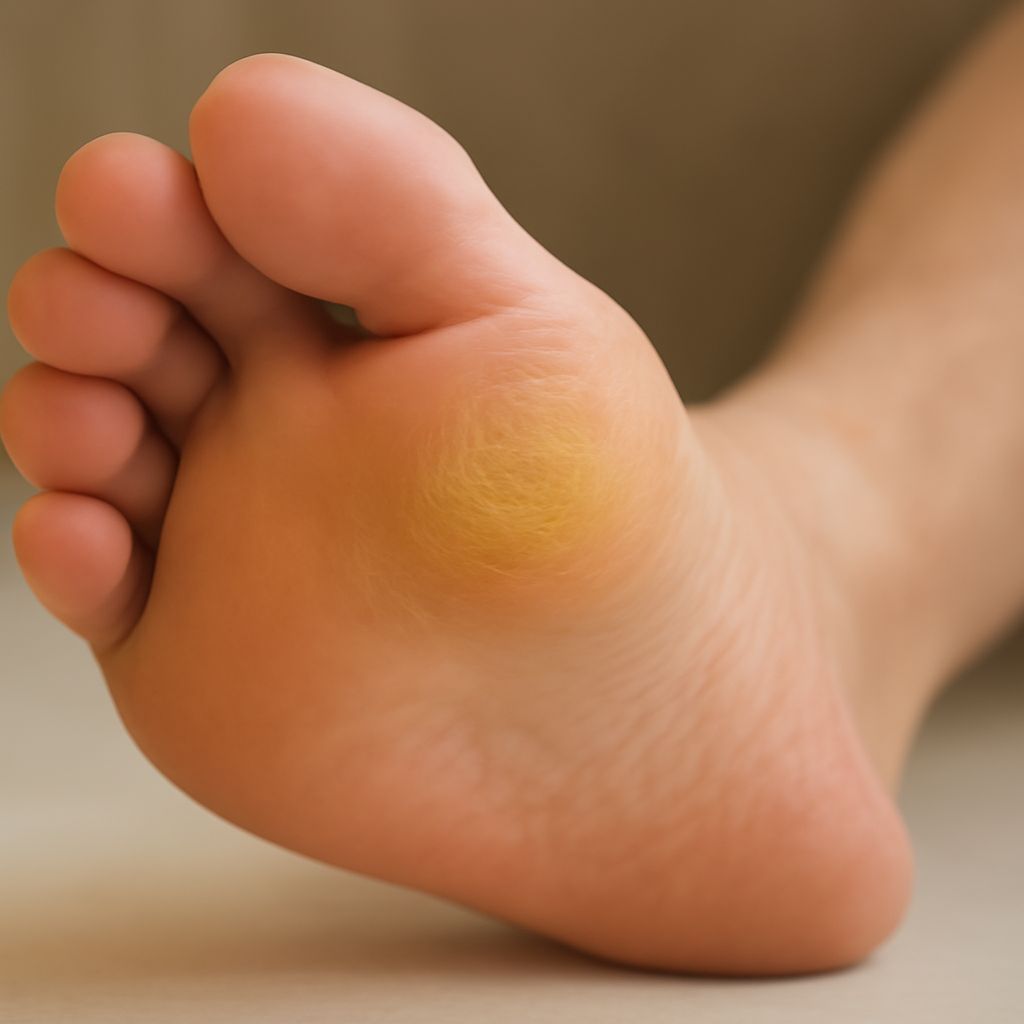
Many people struggle with rough skin on feet, only to discover that the problem stems from skin thickening. This thickened skin may feel tough, dry, or bumpy and can appear almost anywhere on the body, but is especially common on the soles of the feet, hands, and elbows. These textural changes can cause discomfort, limit mobility, and even erode confidence when they become more pronounced or persistent.
Fortunately, understanding the causes behind thickened skin—as well as the factors that contribute to roughness and the best ways to treat and prevent these issues—can help you regain smoother, healthier skin. By addressing skin thickening early and effectively, you can minimize discomfort and restore your skin’s natural softness.
What is Skin Thickening and Why Does It Occur?
Skin thickening, medically known as hyperkeratosis, refers to an abnormal increase in the thickness of the outermost layer of skin, called the stratum corneum. This thickening results when keratinocytes, the main cells in the epidermis, multiply excessively or do not shed as they typically should. While mild thickening can offer some protection against friction and pressure, a pronounced buildup often leads to rough, uneven, or hardened skin surfaces.
The primary biological reason for thickened skin is your body’s attempt to shield itself from repeated stress or injury. For example, chronic rubbing, pressure, or exposure to irritants can prompt the skin to boost its own defenses by producing extra keratin. Although this mechanism has protective benefits, it can also cause undesirable changes in skin texture.
Other contributing factors might include chronic inflammation, genetic predispositions, or certain skin disorders. The process may unfold slowly over time or develop more rapidly, depending on the underlying cause and individual skin type. Thickened skin can manifest in various ways—from subtle rough patches to prominent plaques or calluses—and can impact both appearance and comfort.
Recognizing the signs of skin thickening early allows for more effective management and can help prevent complications like fissures, infection, or persistent discomfort.
How Does Rough Skin on Feet Develop?
The feet are particularly susceptible to developing rough, thickened areas due to the constant mechanical stresses they endure. Walking, standing, ill-fitting footwear, and repetitive movement all subject the skin of the soles and heels to considerable friction and pressure. Over time, these forces can encourage the body to produce additional layers of skin as a defense mechanism, resulting in rough patches or hardened calluses.
Rough skin on your feet often begins as dryness, which reduces the skin’s flexibility and makes it prone to cracking and further irritation. Moisture loss is especially common in the heels, where the skin is naturally thicker and sweat glands are less abundant. Once the normal shedding process is disrupted, dead skin can accumulate, leading to visibly rough or scaly areas.
Environmental factors, such as low humidity, heat, or prolonged exposure to water, may worsen dryness and exacerbate the buildup of thickened skin. People who go barefoot frequently or wear unsupportive shoes may notice roughness develop more quickly, while those with underlying medical conditions—like diabetes or eczema—are at higher risk for pronounced changes in foot texture.
If left unaddressed, rough skin on the feet can progress to more severe conditions, including deep cracks (fissures), bleeding, or infection, especially in individuals with compromised circulatory health.
What Are the Common Causes of Thickened Skin?
Numerous factors contribute to the development of thickened or rough skin. One of the most prevalent causes is repeated friction or pressure, often arising from habitual activities or occupational demands. Areas that routinely come into contact with hard surfaces, such as the palms, knees, or feet, are most likely to exhibit these changes.
Another important contributor is chronic dryness. When the skin loses moisture, it becomes more rigid and less able to shed dead cells properly, resulting in a buildup and, eventually, rough or thickened patches. Prolonged exposure to harsh weather, detergents, or frequent washing can all strip the skin of its natural oils, worsening this process.
Medical conditions also play a significant role in the formation of thickened skin. Disorders such as psoriasis, eczema, and lichen planus can cause abnormal skin cell turnover and promote excessive thickening. Fungal infections, like athlete’s foot, may also lead to localized roughness or scaling.
Additionally, hereditary factors, metabolic conditions (like diabetes), and certain medications may predispose individuals to abnormal keratin buildup. Understanding and addressing these underlying causes is crucial in effectively treating and preventing persistent thickened skin.
Which Conditions Are Associated with Skin Thickening?
A variety of dermatological and systemic conditions are linked to the development of thickened or rough skin. Calluses and corns are among the most common issues, typically forming on areas subjected to repeated friction or pressure. These localized thickenings can become painful if left unaddressed.
Psoriasis, a chronic autoimmune disorder, frequently causes well-defined, scaly plaques that can affect the elbows, knees, scalp, and sometimes the soles of the feet. Eczema, especially in its chronic forms, may lead to both thickening and roughness due to ongoing inflammation and scratching.
Lichen simplex chronicus is another condition characterized by thickened skin resulting from chronic scratching or rubbing. This leads to leathery, hyperpigmented patches that can be intensely itchy and persistent.
Other associations include inherited disorders like palmoplantar keratoderma, which causes thickening on the palms and soles, and systemic diseases such as diabetes, which can impair circulation and sensation, increasing susceptibility to rough or callused feet.
How Can You Treat Rough Skin on Feet and Other Thickened Areas?
Managing thickened skin and rough feet often starts with gentle removal of excess buildup. Regular exfoliation with a pumice stone, foot file, or a mild scrub helps slough off dead cells and smooth rough patches. It’s important to soak feet in warm water beforehand to soften the skin, making exfoliation more effective and reducing the risk of irritation.
Moisturizing is a critical step in restoring skin softness and preventing further thickening. Choose creams or ointments containing urea, lactic acid, or salicylic acid, which help dissolve and loosen dead skin. Applying a thick moisturizer after bathing, and covering the area with socks or gloves overnight, can significantly enhance absorption and results.
For more stubborn cases, over-the-counter or prescription treatments may be necessary. Topical retinoids, corticosteroids, or keratolytic agents might be recommended by your healthcare provider for conditions like psoriasis or eczema. In some instances, a podiatrist or dermatologist may need to trim or debride severely thickened areas with specialized tools—always avoid using sharp blades at home to prevent injury or infection.
If thickened skin is accompanied by pain, bleeding, or signs of infection, consult a professional promptly. People with diabetes or circulation problems should take extra caution, as foot wounds can develop complications more easily.
What Are the Best Ways to Prevent Skin Thickening?
Preventing rough, thick skin begins with minimizing the factors that cause friction and pressure. Wear well-fitted, cushioned shoes and moisture-wicking socks to protect your feet from excessive rubbing. Rotate footwear regularly and avoid walking barefoot on hard surfaces whenever possible.
Consistent moisturizing is key to keeping skin flexible and less prone to thickening. Apply a rich, fragrance-free cream to your feet and hands daily, especially after washing. Gentle exfoliation once or twice a week can help prevent buildup, but avoid over-scrubbing, which may cause irritation or micro-injuries.
Manage underlying health conditions, such as eczema or diabetes, with appropriate medical care to reduce your risk of developing rough or thickened patches. Pay attention to early warning signs—such as redness, sensitivity, or changes in skin texture—and address them before they worsen.
Finally, consider environmental factors: use protective gloves during household tasks, limit exposure to harsh chemicals, and maintain indoor humidity during dry seasons. These steps will help protect vulnerable skin and support its natural renewal processes.
When Should You Seek Medical Advice for Thickened Skin?
It’s important to consult a healthcare professional if thickened or rough skin does not improve with home care, or if you notice new or rapidly spreading patches. Painful, bleeding, or infected areas require prompt medical attention, as these may signal underlying complications or infections.
Individuals with conditions like diabetes, poor circulation, or immune deficiencies should be especially vigilant, as their risk for secondary complications is higher. If you notice numbness, severe dryness, color changes, or open sores that do not heal, make an appointment with your doctor or a dermatologist.
Medical professionals can offer specialized treatments and check for underlying conditions that may be contributing to the problem. Early intervention and tailored care can help avoid long-term damage and restore skin health more effectively.
If you are unsure about the cause of your thickened skin, or if over-the-counter treatments do not bring relief, seeking expert advice is the best course of action to ensure safe, effective management.
Bottom line: Skin thickening, especially on the feet and hands, is a common but manageable condition. With the right combination of gentle care, preventive measures, and timely medical advice, you can maintain smoother, healthier skin and avoid complications. Remember to be cautious when using sharp tools or strong topical products, and consult a healthcare provider if you have underlying health concerns or persistent symptoms.
Leave a Reply