
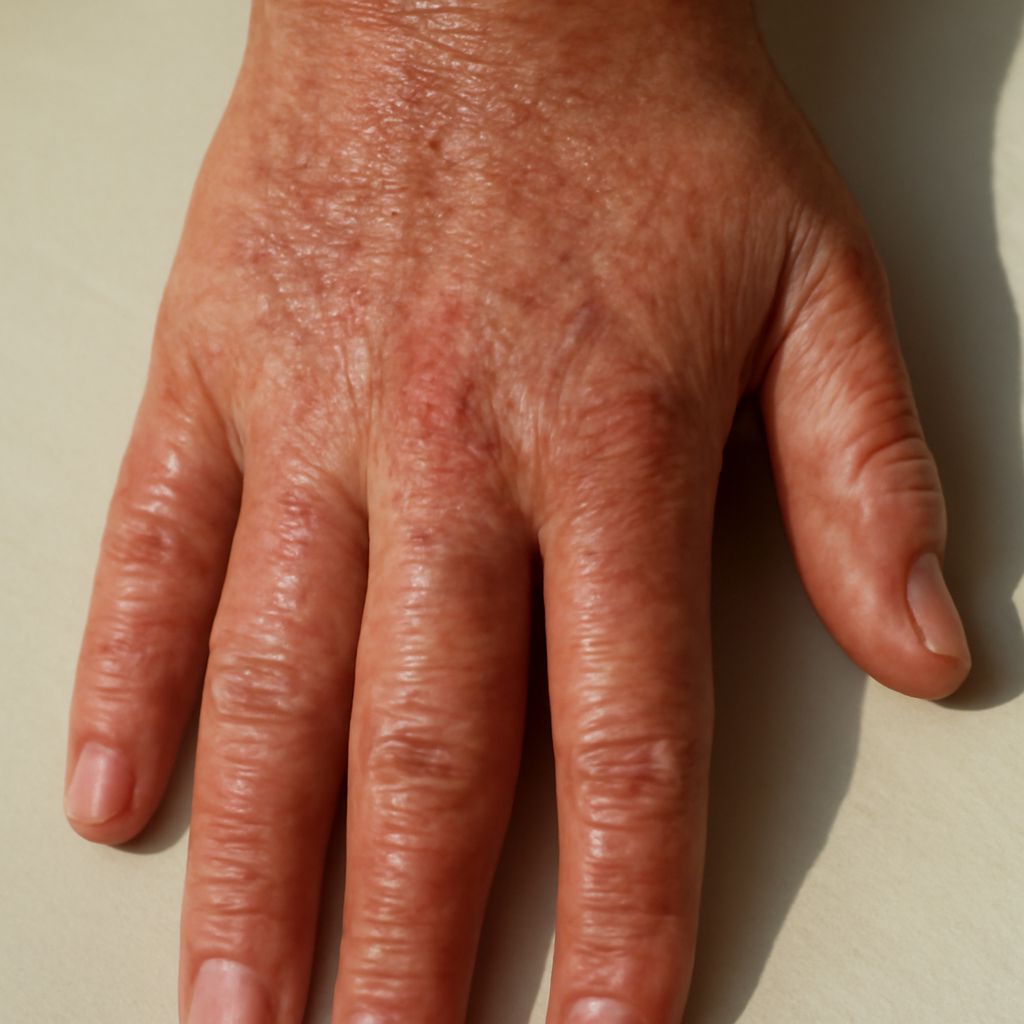
Discovering your skin leaking a clear fluid—a phenomenon known as skin weeping—can be both unsettling and confusing. While it might be tempting to dismiss clear liquid draining from a rash or a broken patch of skin, this symptom often signals an underlying issue that requires attention. Addressing skin weeping early can help prevent complications and start you on the path toward healthier skin.
Skin weeping clear fluid is more common than many realize and is closely linked to a range of skin conditions, from eczema to infections. This article explores what skin weeping really means, the causes for clear fluid discharge, how to recognize its symptoms, and the best approaches for treatment and prevention.
What does skin weeping mean?
Skin weeping refers to the oozing or leakage of a clear, sometimes slightly yellowish, fluid from the skin’s surface. Typically, this occurs when the outermost layer of your skin—the epidermis—has been compromised by inflammation, injury, or infection. The fluid, often called serum or exudate, emerges as the body’s natural response to heal or protect the affected area.
Many people first notice skin weeping when a rash, blister, or wound begins to “leak” or appear moist. This loss of skin integrity can lead to patches that are shiny, wet, or sticky to the touch. In most cases, the weeping fluid is not pus, but rather a dilute secretion made up of water, proteins, electrolytes, and immune cells. It helps in the healing process but can also indicate that the skin barrier needs urgent care.
Understanding what skin weeping means is crucial, as it guides both immediate care and longer-term management. Whether the problem is localized (such as a patch of eczema) or more widespread, recognizing weeping as a symptom can prompt timely interventions and reduce risks of secondary infection.
Why does skin weeping clear fluid occur?
When skin begins to weep clear liquid, it’s almost always a sign that the barrier function of the skin has been disrupted. There are several reasons why this can happen. One of the most common causes is inflammation. Inflammatory responses, as seen with allergic reactions or chronic skin problems, increase the permeability of blood vessels near the skin, allowing fluid to escape into surrounding tissue and eventually leak out.
Another key factor is mechanical damage. Scratching, rubbing, or picking at a rash or wound can physically break down the skin layers, prompting fluid loss. Even seemingly minor injuries or irritation can contribute to clear fluid leaking from the skin’s surface.
In addition to trauma and inflammation, infections can play a role. If bacteria or viruses invade already weakened skin, they may worsen the leakage through additional tissue breakdown and immune response. The clear exudate is part of the body’s effort to flush out irritants or germs and facilitate healing, but persistent weeping can indicate that the natural repair process is struggling or has become overwhelmed.
What conditions commonly cause skin weeping?
Several dermatological issues are known to be behind skin weeping and the release of clear fluid. Eczematous disorders, especially atopic dermatitis and contact dermatitis, frequently present with moist, weeping patches due to chronic inflammation and scratching. These conditions compromise the skin barrier, making it easy for serum to escape.
Infections, including impetigo and cellulitis, can also provoke skin weeping, particularly when blisters or pustules rupture. Bacterial involvement typically increases the risk for yellowish, sometimes slightly cloudy, exudate but clear fluid remains common, especially early on. Fungal infections, such as athlete’s foot, may produce a weeping rash when skin maceration occurs.
Other frequent culprits include burns, ulcers (like venous leg ulcers), and shingles, all of which can break the skin and lead to leakage. Even less common conditions—such as autoimmune bullous diseases or severe psoriasis—may result in areas of weeping if blisters or plaques become eroded. Recognizing which underlying skin disease is at play is essential for effective management.
It’s important to remember that even seemingly benign conditions like insect bites or mild allergic reactions can develop into weeping lesions if scratched excessively. Any chronic or recurrent skin issue that produces clear fluid warrants further evaluation to determine the precise cause and best course of action.
How can you identify symptoms of skin weeping?
Identifying skin weeping requires looking for specific clues. The most obvious sign is the visible presence of clear or slightly yellowish fluid on the skin’s surface. This may appear as droplets, a moist sheen, or even small pools of liquid, depending on the severity and location of the problem. Often, the underlying skin appears raw, red, or irritated, and the area may be surrounded by swelling or warmth.
In addition to the fluid itself, other symptoms often accompany weeping skin. These can include persistent itching, burning, or stinging sensations. Skin involved in the process may feel tender or painful, and clothing or bedding can stick to the moist patches. The affected area is also more prone to crusting and sometimes develops a yellowish or honey-colored layer as the exudate dries.
It’s crucial to distinguish between clear fluid weeping and the presence of pus, which is usually thicker and cloudier, indicating a likely bacterial infection. However, the transition from clear to cloudy or foul-smelling liquid may also signal that secondary infection has set in, requiring medical attention. Monitoring for these warning signs can help guide appropriate care and prevent complications.
What are the treatment options for skin weeping?
Treating skin weeping and managing the clear fluid leakage involves both addressing the underlying condition and protecting the compromised skin. The first step is often gentle cleansing of the affected area with lukewarm water and a mild, fragrance-free soap. Pat the skin dry—never rub—and avoid using harsh towels or aggressive scrubbing, as this can worsen damage.
Barrier creams or ointments containing petrolatum or zinc oxide can help shield weeping areas and prevent further moisture loss. For those with eczema or dermatitis, topical corticosteroids may be used under a healthcare provider’s guidance to calm inflammation and reduce fluid production. In cases where infection is suspected, topical or oral antibiotics might be necessary.
Wound dressings designed for exudate management, such as hydrocolloid or non-adherent pads, can absorb excess fluid and promote optimal healing conditions. Change dressings regularly and monitor for any signs of increased redness, swelling, or pus, which could indicate worsening infection. If you must use sterile scissors or other tools, ensure they are clean and handled with care to avoid injury.
It’s always wise to patch-test new products on a small area first, as sensitive skin is more likely to react to certain creams or adhesives. Avoid home remedies that break the skin further or introduce irritants, and consult with a dermatologist or healthcare provider for persistent or spreading weeping.
When should you see a doctor about skin weeping?
While many mild cases of skin weeping resolve with basic self-care, certain scenarios warrant medical evaluation. If the leaking fluid is accompanied by severe redness, swelling, or increasing pain, this may signal a secondary infection. Likewise, if you notice fever, blisters spreading rapidly, or foul-smelling discharge, prompt medical attention is essential.
People with underlying chronic skin diseases such as severe eczema, diabetes, or compromised immune systems should be particularly vigilant. Delays in seeking care can result in more serious complications, including cellulitis or systemic infection. Similarly, wounds that fail to heal or continue to leak fluid after several days should be evaluated by a healthcare professional.
Consulting a doctor ensures accurate diagnosis and targeted therapy, especially when over-the-counter remedies or home approaches haven’t improved the situation. Proper assessment can rule out less common but serious causes of persistent skin weeping, ensuring your skin heals safely and effectively.
How can you prevent skin weeping in the future?
Preventing future episodes of skin weeping relies on good skin care and avoiding triggers known to compromise skin integrity. Moisturize daily with hypoallergenic creams to maintain the barrier function, and steer clear of products containing alcohol, fragrances, or harsh detergents. Wear loose, breathable clothing and keep skin folds dry, particularly if you are prone to rashes or irritation.
Manage chronic skin diseases under the guidance of a healthcare provider, sticking to prescribed treatment regimens and monitoring for early signs of flare-ups. If you have allergies or sensitivities, identify and avoid known triggers, including certain soaps, metals, or fabrics. Promptly treat any minor cuts or insect bites to reduce the risk of infection and weeping.
For those with recurrent issues, regular check-ins with a dermatologist can help fine-tune your care plan and provide early intervention before symptoms worsen. Practicing gentle skin hygiene and taking precautions with sharp tools or abrasive materials will help minimize accidental injuries that might lead to leaking or weeping.
Next steps: To keep your skin healthy, maintain a consistent skincare routine, address underlying conditions early, and don’t hesitate to seek professional help for persistent or worsening weeping. With attentive care and preventive strategies, you can protect your skin and minimize the risk of future problems.




Leave a Reply