
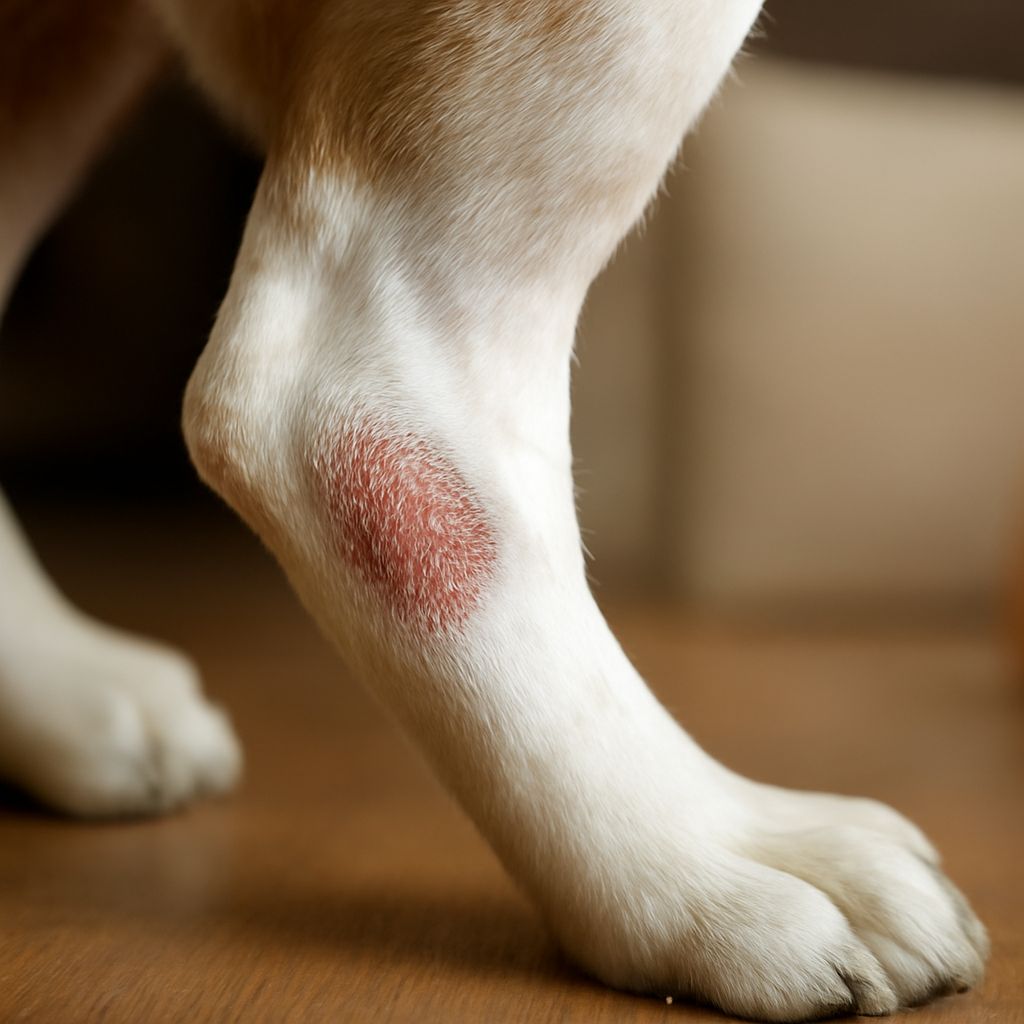
Dog skin issues can deeply worry pet owners, especially when they take the form of suspicious lumps or persistent sores. One of the more concerning conditions is skin cancer in dogs, which, while often treatable if caught early, can pose serious risks to a dog’s overall health. Understanding what sets skin cancer apart from other skin problems is crucial for recognizing issues promptly and seeking the right care.
Fortunately, skin cancer in dogs does not have to be a life sentence. When dog owners are equipped with the right knowledge about the warning signs, causes, and preventative steps, they can act swiftly to ensure their pets receive timely treatment. This article will walk through the essentials of canine skin cancer, including how to spot symptoms, what risk factors to watch for, available therapies, and practical prevention strategies.
What is skin cancer in dogs?
Skin cancer in dogs refers to a group of malignancies that originate from the various cells found within the layers of a dog’s skin. Unlike many internal cancers, the signs of skin tumors, lesions, or abnormal growths are often visible to dog owners, making early detection more feasible. The most common types of skin cancer affecting dogs include mast cell tumors, squamous cell carcinomas, and malignant melanomas, but other tumor varieties can also develop.
These cancers can manifest anywhere on the dog’s body, although some types are more likely to appear in certain areas. For example, malignant melanomas often form around the mouth or toes, while squamous cell cancers frequently develop in areas exposed to sunlight, like the abdomen or nose. Some skin cancers are benign (non-cancerous), but malignant versions can spread to internal organs or lymph nodes if left untreated.
While the term “skin cancer” may sound alarming, it’s important to understand that not every skin growth on your dog is malignant. Benign tumors such as lipomas (fatty lumps) are common and usually harmless. However, distinguishing between benign and malignant growths requires veterinary expertise, since dangerous cancers can sometimes mimic more benign skin conditions.
Given the variety of dog skin cancers, prognosis and treatment strategies can differ significantly. Early recognition and veterinary intervention are the best ways to ensure favorable outcomes for affected pets.
What are the causes and risk factors for skin cancer in dogs?
Several factors contribute to the development of skin cancer in dogs, much like in humans. One of the primary causes is prolonged or repeated exposure to ultraviolet (UV) radiation from the sun, which can damage skin cells and trigger cancerous changes, especially in dogs with thin or light-colored coats. Breeds such as Dalmatians, Boxers, and Bull Terriers may be at higher risk for certain skin tumors due to their genetic makeup and lighter pigmentation.
Genetics play a significant role in determining which dogs are predisposed to skin malignancies. Some breeds are more susceptible to specific types of tumors; for instance, Scottish Terriers are particularly prone to malignant melanoma, while Cocker Spaniels may develop more sebaceous gland tumors. Age is another important risk factor: older dogs are more likely to develop cancer, as cell mutations accumulate over time.
Chemical exposure also increases the likelihood of skin cancers in dogs. Pesticides, herbicides, and household cleaners can all damage skin cells or suppress the immune system, allowing abnormal growths to flourish. Chronic inflammation from wounds, scars, or ongoing skin infections further elevates risk by creating an environment conducive to cancerous development.
Finally, hormonal imbalances and immune system deficiencies may contribute to the emergence of canine skin cancer. Dogs with weakened immune function are less capable of repairing DNA damage or eliminating abnormal cells, making them more susceptible to a range of malignancies. By understanding these causes and risk factors, dog owners can be more vigilant and proactive in safeguarding their pets’ skin health.
How can you recognize the signs of skin cancer in dogs?
Identifying skin cancer in dogs early can make a significant difference in treatment success. Owners should perform regular, thorough checks of their dog’s skin, especially if the pet belongs to a higher-risk breed or has significant sun exposure. Suspicious skin changes often serve as the first indicator of underlying problems.
Common warning signs include the sudden appearance of a lump, mass, or growth—especially those that change in size, shape, or color over time. Some malignant tumors may bleed, ooze, or develop ulcerations that do not heal readily. While many skin tumors are painless in the early stages, discomfort, itching, or sensitivity can arise as the cancer progresses or becomes infected.
Other symptoms of skin cancer may be more subtle. Look for persistent sores, patches of flaky or scaly skin, or areas of unexplained hair loss. Darkly pigmented spots or raised, irregular moles that were not noticed before warrant close examination by a veterinarian. Swelling, redness, or firmness in the surrounding tissues can also point to a malignant process.
Because dog skin issues can manifest in many forms, it’s essential not to dismiss even small changes in your pet’s skin. While not every lump or rash will be cancerous, a professional assessment is always recommended to rule out serious conditions and determine the appropriate next steps.
How is skin cancer in dogs diagnosed and treated?
The diagnostic process for dog skin cancer typically begins with a thorough physical exam and a detailed history of the lesion’s development. Veterinarians will often recommend a fine needle aspiration or a surgical biopsy to collect a sample from the suspicious area. These samples are then analyzed under a microscope to determine if cancer cells are present and, if so, what specific type.
Once a diagnosis is confirmed, treatment options depend on the type of skin cancer, its location, and how far it has progressed. Surgical removal is usually the first and most effective step, especially for localized tumors. Wide margins are often taken to reduce the risk of recurrence. In more aggressive or advanced cases, additional therapies such as radiation, chemotherapy, or immunotherapy may be recommended.
Mast cell tumors, for example, may respond well to oral medications that target abnormal cell growth, while melanomas might require specialized immunological treatments. The overall prognosis for canine skin cancer varies: many dogs make full recoveries when tumors are caught early and removed completely, but some aggressive forms can metastasize and become life-threatening.
It’s important to recognize that not all skin changes require drastic intervention. Some benign or slow-growing tumors may simply be monitored over time. However, any new or rapidly changing lesion should be evaluated promptly. When treatments involve surgery or potent medications, owners should follow all aftercare instructions carefully and monitor for adverse reactions due to skin sensitivity or immune suppression. Consult your veterinarian about pain management and wound care to ensure safe healing.
What steps can you take to prevent skin cancer in dogs?
While not all cases of canine skin cancer can be prevented, there are practical steps owners can take to reduce the risks and protect their pets’ skin. Limiting excessive sun exposure is especially important for dogs with sparse or light-colored coats, as they are more vulnerable to ultraviolet damage. Consider keeping dogs indoors or in shaded areas during peak sunlight hours, and use dog-safe sunscreens on exposed skin if your pet will be outside for extended periods.
Regular grooming and inspection of your dog’s coat and skin are vital for early detection of abnormal growths or changes. Promptly treating chronic skin infections, wounds, or parasitic infestations will also help lower long-term inflammation, which is a known risk factor for skin malignancies. Balanced nutrition and maintaining a healthy weight support overall immune health, making dogs more resilient to both cancer and everyday skin issues.
Minimizing exposure to harmful chemicals is another key preventive measure. Store lawn treatments, insecticides, and cleaning products securely, and opt for pet-friendly alternatives wherever possible. Discuss with your veterinarian whether your dog’s breed or medical history warrants additional monitoring or preventive screenings.
Finally, spaying or neutering can influence hormone-driven skin tumors in certain breeds, though this is not a universal preventive step. When in doubt, seek advice from your veterinary professional, especially before using any topical products or home remedies that might irritate sensitive skin.
Frequently asked questions about skin cancer in dogs
Can dog skin cancer be cured? Many forms of canine skin cancer can be successfully treated—especially if detected early—through surgery and adjunctive therapies. Complete cures are possible, particularly with localized tumors. However, prognosis depends on the type, location, and stage of the malignancy.
Is skin cancer painful for dogs? Early skin cancers may cause little discomfort, but as tumors grow or ulcerate, dogs can experience pain, itchiness, or secondary infections. Always consult a veterinarian if your pet shows signs of discomfort or behavioral changes.
Are certain breeds more susceptible? Yes, breeds such as Boxers, Scottish Terriers, and Dalmatians have an increased risk for certain skin cancers. Light-coated and hairless breeds are also more vulnerable to sun-induced tumors.
How often should I check my dog’s skin? Monthly at-home skin checks, paired with annual veterinary exams, are recommended. If you notice anything unusual—such as new lumps, sores, or color changes—schedule a professional evaluation promptly.
Key takeaways: Skin cancer in dogs is a serious but often treatable condition if caught early. Regular monitoring, sun protection, and prompt veterinary care are your best tools for prevention and management. Stay proactive and informed to keep your canine companion healthy and comfortable.



Leave a Reply