
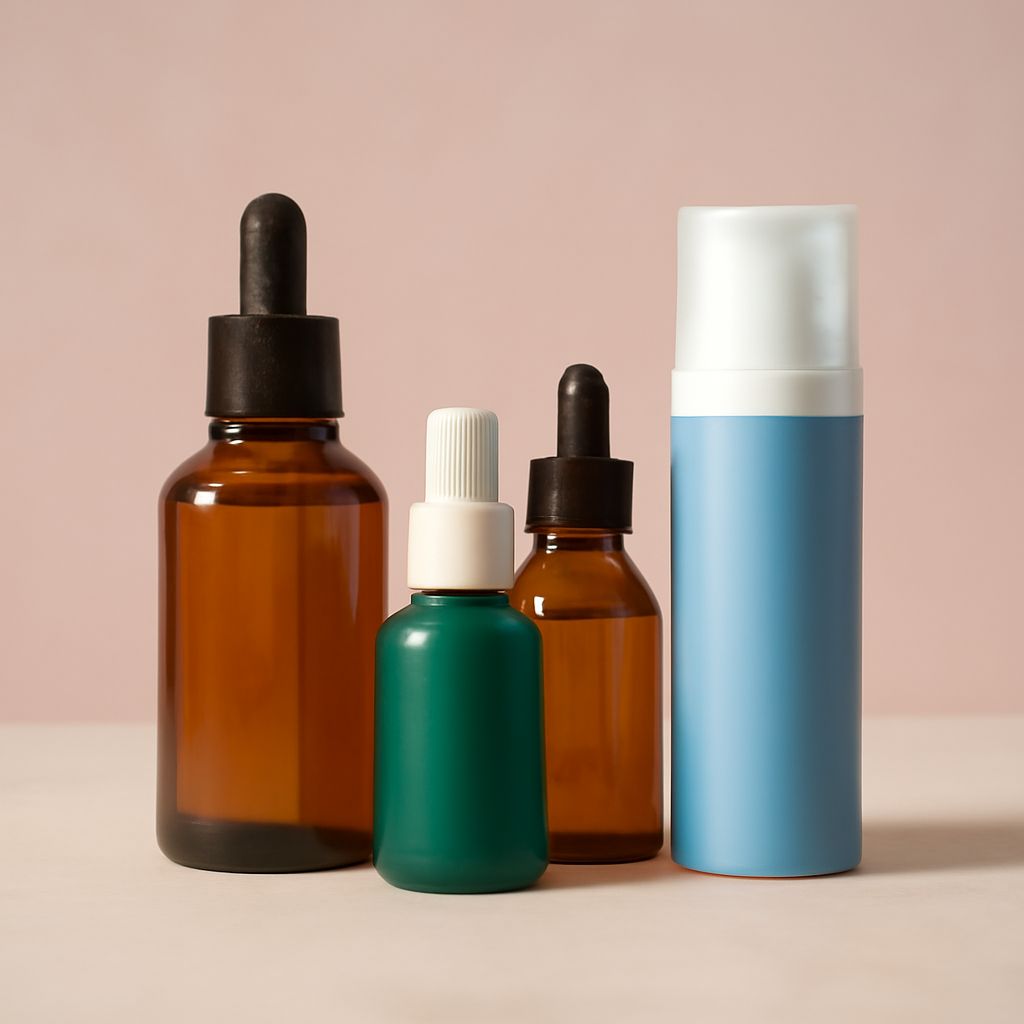
Many people struggle with dry, irritated, or sensitive skin—signs often rooted in a compromised skin barrier. Whether it’s due to harsh weather, over-exfoliation, or unsuitable products, modern life frequently challenges our skin’s natural defenses. Skin barrier repair is the key to regaining comfort and achieving the healthy, radiant complexion we all desire. Understanding how the skin barrier functions—and how to support its recovery with the right skincare—can transform your skin’s resilience, texture, and overall wellness.
This essential guide reveals how skin barrier repair can help you rebuild your skin’s protective shield, prevent future damage, and maintain lasting skin health. From recognizing signs of an impaired barrier to choosing the right barrier-friendly ingredients, here’s what you need to know for optimal skin wellness.
What is the Skin Barrier and Why Is It Important?
The skin barrier, also known as the stratum corneum, is the outermost layer of your skin. Imagine it as a brick-and-mortar wall: the “bricks” are your skin cells and the “mortar” is made up of lipids such as ceramides, cholesterol, and fatty acids. This structure works around the clock to keep harmful irritants, allergens, and microbes out, while locking moisture and essential nutrients in.
Keeping your skin barrier healthy is vital for maintaining hydrated, resilient, and youthful-looking skin. A strong barrier helps prevent water loss and protects against external aggressors like pollution, UV radiation, and even everyday friction. When the barrier is intact, skin feels supple, looks radiant, and is less prone to sensitivities or breakouts.
Unfortunately, when the skin’s protective wall is weakened or damaged, it can no longer effectively perform its role. This leads to dryness, irritation, and increased sensitivity—making the importance of skin barrier repair all the more clear for anyone seeking long-term skin wellness.
What Causes Skin Barrier Damage?
Several daily factors can disrupt your skin’s barrier function. Harsh weather conditions—like cold winds and low humidity—strip away moisture and natural oils, leading to increased vulnerability. Overuse of exfoliants, such as scrubs or chemical acids, can also erode the protective lipid layer, leaving your skin exposed and sensitive.
Another common culprit is improper skincare routines. Using products with high concentrations of alcohol, sulfates, or strong fragrances may compromise the skin’s natural defenses over time. Even hot water and frequent cleansing can disturb the equilibrium of your outermost skin layer.
Certain medical conditions, such as atopic dermatitis, eczema, or psoriasis, inherently impact the barrier’s integrity. Additionally, prolonged stress and lack of sleep can influence your skin’s ability to repair itself, increasing the risk for barrier disruption. Understanding these triggers is essential for anyone aiming for effective skin barrier repair and sustained skin health.
How Can You Tell If Your Skin Barrier Needs Repair?
The signs of an impaired skin barrier are often hard to miss. One of the most noticeable symptoms is persistent dryness—even after moisturizing. You may also experience tightness, flakiness, or a rough, uneven texture. These issues can occur regardless of your natural skin type.
Increased sensitivity is another classic indicator. Skin may sting or burn when you apply products that normally would not cause a reaction. Redness, itching, and visible inflammation are also clues that your barrier function has been compromised and could benefit from targeted repair.
It’s important to note that breakouts and rashes, while sometimes linked to other causes, can also stem from a weakened barrier. If your skin suddenly becomes unpredictable or reacts to products it previously tolerated, consider reassessing your routine and focusing on barrier repair strategies.
Which Ingredients Support Skin Barrier Repair?
Certain ingredients are especially effective for fortifying and restoring the skin barrier. Ceramides are a standout choice—these naturally occurring lipids make up a significant portion of the skin’s protective layer. When applied topically, ceramide-containing products help replenish depleted stores and reinforce the barrier’s structure.
Fatty acids and cholesterol, commonly found in nourishing facial oils and creams, also play vital roles in skin barrier repair. These lipids mimic the skin’s own building blocks, helping to seal in hydration and boost resilience against external stressors.
Hyaluronic acid is another excellent ingredient, renowned for its ability to draw and hold moisture in the skin. Meanwhile, niacinamide (vitamin B3) strengthens the skin’s defenses, reduces inflammation, and promotes even tone. Look for products free from alcohol, synthetic fragrances, and other potential irritants to further support a healing environment as your barrier recovers.
What Are the Best Practices for Skin Barrier Repair?
Effective barrier repair starts with simplifying your skincare routine. Pare down your regimen to a gentle cleanser, a robust moisturizer with barrier-repairing ingredients, and broad-spectrum sunscreen. Avoid aggressive exfoliants and astringents while your skin recovers—less is often more when rebuilding your outermost layer.
Moisturization is key for helping your skin heal. Opt for creams or balms enriched with ceramides, fatty acids, or cholesterol, and apply them to damp skin for best results. Facial oils with squalane or jojoba can also help mimic natural sebum, reducing water loss without clogging pores.
Be patient, as skin barrier repair is not instantaneous. Improvements can take several days to a few weeks, depending on the extent of the damage. During this period, minimize exposure to environmental irritants and avoid experimenting with new, potentially sensitizing products. For those who shave or use sharp tools in their skincare routine, always use clean, gentle techniques to avoid creating microtears and additional irritation.
Remember, everyone’s skin is unique. What works for one person may not immediately suit another, so tune in to your skin’s response and adjust your approach as needed. If you have a history of allergies or sensitive skin, patch-test new products on a small area before full use.
How Can You Prevent Future Skin Barrier Damage?
Protecting your skin’s barrier is an ongoing process. Daily sunscreen application is essential—even on cloudy days—as UV damage can undermine the skin’s natural defenses. Opt for mineral-based sunscreens with zinc oxide or titanium dioxide for broad protection without added irritants.
Adopt a gentle cleansing routine. Use lukewarm water and fragrance-free, pH-balanced cleansers to avoid stripping away vital oils. After cleansing, apply hydrating and barrier-supportive serums or creams to lock in moisture and reinforce your protective barrier.
Limit the use of potentially harsh treatments, such as chemical peels or strong exfoliators, to occasional use, and always follow up with soothing moisturizers. Humidifiers at home can help offset the drying effects of indoor heating or air conditioning, keeping your skin environment balanced year-round.
Lastly, maintain overall wellness by managing stress, getting adequate sleep, and eating a diet rich in skin-friendly nutrients like omega-3 fatty acids and antioxidants. These lifestyle habits support your skin from within, further bolstering its ability to defend itself against harm.
When Should You Seek Professional Help for Skin Barrier Issues?
While many cases of mild barrier dysfunction respond well to at-home care, there are instances where professional guidance is warranted. If you notice persistent redness, severe irritation, or open sores that do not improve despite diligent barrier repair, consult a dermatologist. These could be signs of underlying skin conditions such as eczema or contact dermatitis that require medical intervention.
Chronic itching, pain, or persistent rashes should never be ignored, as they can indicate allergic reactions, infections, or other health concerns. Additionally, if your skin becomes increasingly reactive to most products or environmental factors, a professional assessment can help identify triggers and tailor a treatment plan specific to your needs.
Dermatologists can recommend prescription-strength topicals, patch testing for allergies, or advanced therapies to restore your skin’s natural defense system. Early intervention can prevent complications and ensure lasting improvements in your skin’s comfort and appearance.
Bottom line: Restoring and maintaining your skin barrier is central to healthy, resilient skin. With the right knowledge, ingredients, and daily habits, you can support your skin’s recovery and protect it for years to come. When in doubt, don’t hesitate to seek expert advice for persistent or severe skin concerns.


Leave a Reply