
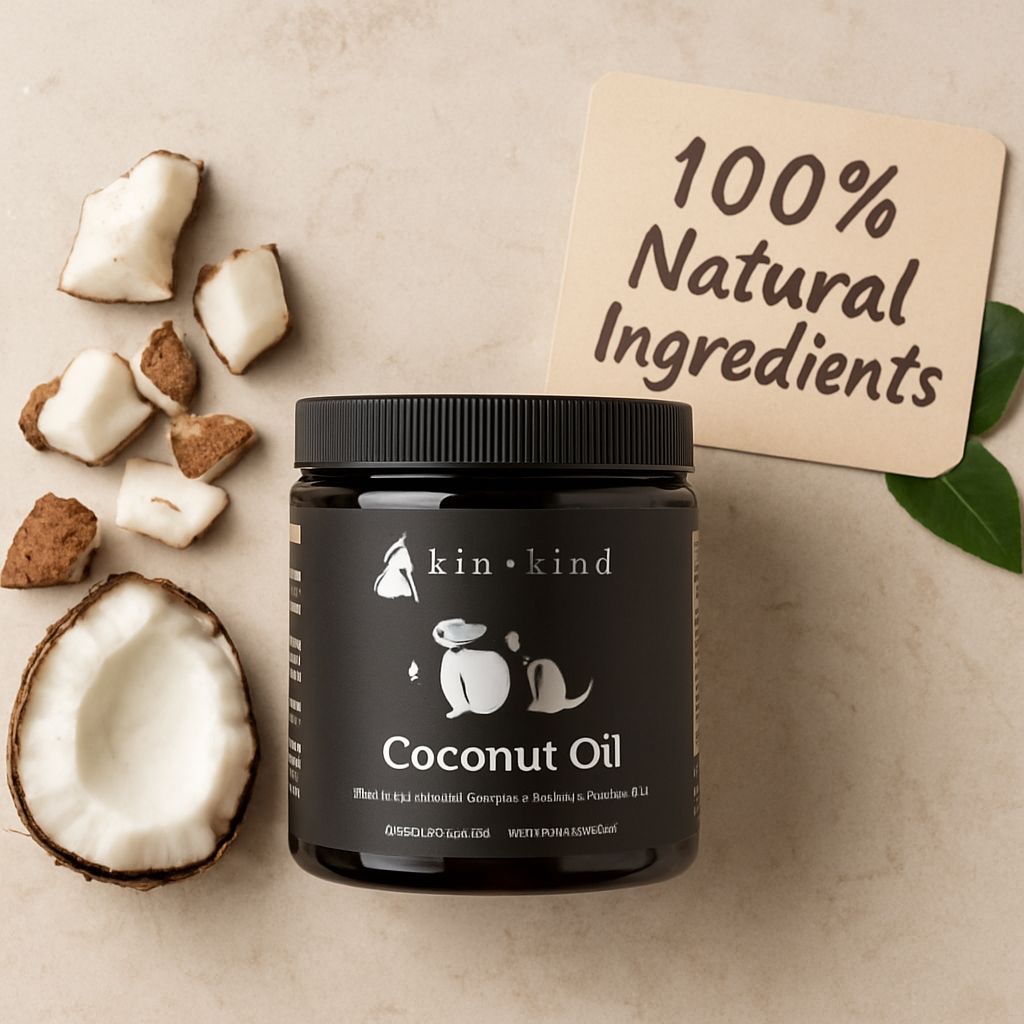
Can dehydration cause itchy skin? Yes, and the mechanism is straightforward: when the body lacks adequate water, the skin barrier weakens, moisture evaporates faster, and nerve endings respond with an itch signal. Beyond people, knowing how to apply coconut oil to cats skin can address similar moisture-related discomfort in feline companions. Dog dandruff coconut oil remedies follow the same principle, using the oil’s fatty acids to replenish lost moisture on the scalp and coat. Skin dehydration in both humans and animals leads to flaking, tightness, and persistent itching that gets worse before it improves without targeted moisture intervention. Coconut oil for cats itchy skin has become a go-to natural option for pet owners who want to avoid harsh medicated products for mild cases.
This guide covers the human side of dehydrated, itchy skin, practical coconut oil applications for cats and dogs, and how to tell whether itching stems from dehydration or another cause entirely.
Does Dehydration Really Cause Itchy Skin?
The Physiology of Dehydrated Skin
The outermost skin layer, the stratum corneum, requires adequate water to stay flexible and effective as a barrier. When whole-body hydration drops, this layer loses moisture to the environment faster than it is replaced. The resulting dryness activates free nerve endings called C-fibers, which send itch signals to the brain. People who are chronically dehydrated, or who live in very dry climates, often experience persistent pruritus (medical term for itch) without visible rash.
Other Dehydration Effects on Skin
Beyond itching, skin dehydration causes a dull complexion, fine lines that spring back slowly when pinched, and a feeling of tightness after washing. These symptoms distinguish dehydration from true dry skin type, which lacks oil rather than water, though the two often co-exist.
What Are the Signs of Skin Dehydration?
A simple pinch test helps: gently pinch a small area of cheek skin between two fingers. In well-hydrated skin, it springs back immediately. In dehydrated skin, it takes a second or two to flatten. Other signs include increased sensitivity, makeup that sits patchy on the surface, and fine surface lines that appear after sun or wind exposure. Internally, dark urine and infrequent urination confirm systemic dehydration. Drinking eight or more cups of water daily, adjusted for body weight and activity, is the primary fix.
How Do You Apply Coconut Oil to a Cat’s Skin?
Knowing how to apply coconut oil to cats skin correctly prevents ingestion of excessive amounts, which can cause loose stools. Warm a pea-sized amount of unrefined coconut oil between your fingers. Part the fur gently and work the oil into the skin with circular motions, focusing on dry patches behind the ears, along the back, and at the base of the tail. Allow the oil to absorb for several minutes before the cat grooms. If the cat grooms immediately and consumes a large amount, watch for digestive upset and consult a veterinarian if vomiting occurs. One application every few days during dry winter months is typically sufficient for maintenance.
How Does Coconut Oil Help Dog Dandruff?
Dog dandruff coconut oil remedies work because the oil’s medium-chain fatty acids, particularly lauric acid, penetrate the skin barrier and deliver deep moisturization. This reduces the rate of skin cell shedding that produces visible flakes. Add a small amount (a teaspoon for medium dogs) directly to food two to three times per week to hydrate from within. Alternatively, warm the oil and massage it into the scalp and coat, leave for ten to fifteen minutes, then rinse with a gentle shampoo. Consistency matters; results from coconut oil for canine dandruff appear within two to four weeks of regular use.
When Dandruff Needs Veterinary Attention
If dandruff accompanies hair loss, red skin, or intense scratching, a veterinary exam is necessary. These signs may indicate mange, allergies, or a thyroid condition that coconut oil alone cannot address.
Is Coconut Oil Safe for Cats with Itchy Skin?
Coconut oil for cats itchy skin is generally safe in small topical amounts for most cats without known lipid metabolism disorders. It soothes minor dryness and mild irritation from environmental allergies. However, cats with sensitive digestive systems may experience diarrhea if they ingest moderate quantities through grooming. Use only unrefined, cold-pressed coconut oil. Never apply near the eyes, ears, or open wounds. Cats with suspected food allergies, flea allergy dermatitis, or ringworm need veterinary diagnosis and targeted treatment rather than coconut oil alone.
When Is Itchy Skin Not from Dehydration?
Persistent itching that does not respond to increased hydration and topical moisturizers may stem from contact dermatitis, atopic eczema, fungal infection, or systemic conditions such as liver or kidney disease. In pets, parasites, food allergies, and yeast overgrowth are more common itch triggers than dehydration. If itching disrupts sleep, is localized to one area, or is accompanied by any systemic symptom, consult a physician or veterinarian for a proper evaluation.
Safety recap: Coconut oil is a gentle option for mild skin dehydration in cats and dogs, but it is not a substitute for veterinary diagnosis when symptoms are severe or persistent. In humans, rehydration and a good emollient moisturizer address most dehydration-related itch effectively. Seek medical advice if itching is intense, prolonged, or unexplained.





Leave a Reply