
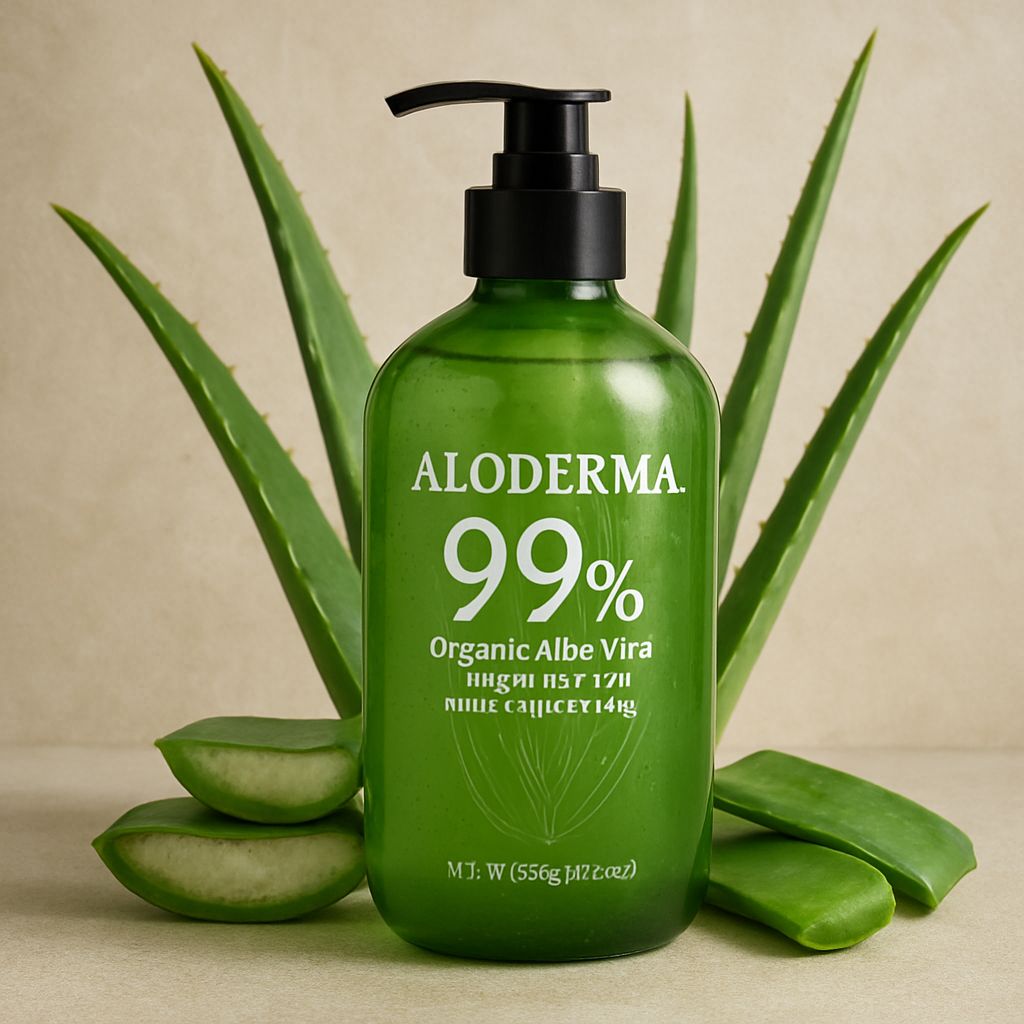
Pure aloe vera gel for skin has earned its reputation through decades of cosmetic and clinical use, offering hydration, wound healing support, and anti-inflammatory relief in a single ingredient. Beetroot juice benefits for skin have also drawn growing attention for their antioxidant-rich profile and natural brightening properties. For those managing wounds or sensitive areas, barrier creams for skin breakdown provide a protective layer that reduces friction and moisture damage. When it comes to removing benign growths, a cautery pen for skin tags offers a targeted method that does not require a clinical setting. Rounding out this skin care guide, vitamin b5 benefits for skin extend from deep moisture retention to accelerated repair of compromised skin barriers.
This article examines each of these topics in practical detail, helping you build an informed skin care routine with ingredients and tools that address specific concerns.
What Makes Pure Aloe Vera Gel Effective for Skin?
Key Active Compounds
Aloe vera contains polysaccharides, particularly acemannan, which pull moisture into skin cells and hold it there. Its enzymes break down dead cells, while salicylic acid contributes mild exfoliation. Vitamins C and E in the gel provide antioxidant protection against environmental stressors. For daily use, a product containing at least 95% pure aloe vera gel for skin delivers the full spectrum of these benefits without dilution.
Best Uses for Aloe on Skin
Apply cooled aloe gel after sun exposure to reduce redness and heat. Use it as a lightweight moisturizer on oily or acne-prone skin. It also soothes minor burns, insect bites, and psoriasis plaques. Store fresh gel in the refrigerator for additional cooling relief during flare-ups.
What Are the Beetroot Juice Benefits for Skin?
Beetroot juice provides a notable dose of betalains, potent antioxidants that neutralize free radicals responsible for premature aging. Its high nitrate content improves blood circulation, which can give the complexion a flushed, healthy appearance. Vitamin C in beetroot supports collagen synthesis, while folate assists in cellular repair. Using fresh beetroot juice diluted with water as a face rinse, or applying it via a cotton pad for ten minutes, are common topical approaches. Rinse thoroughly afterward to prevent staining. Internally, drinking diluted beetroot juice daily contributes the same antioxidant compounds systemically through improved circulation.
How Do Barrier Creams for Skin Breakdown Help?
Skin breakdown occurs when prolonged exposure to moisture, friction, or pressure erodes the outer skin layer. Barrier creams for skin breakdown form an occlusive or semi-occlusive film that keeps wound fluid and external irritants separated from compromised tissue. Zinc oxide-based creams are among the most widely used in clinical and home settings; zinc has mild antimicrobial properties and supports tissue repair. Petrolatum-based products offer similar protection with a softer texture. Apply barrier cream to clean, dry skin at each dressing change or as directed by a wound care professional. These products are particularly valuable for individuals who are bedridden, wear incontinence products, or have skin folds prone to maceration.
When to Seek Professional Guidance
If the breakdown area increases in size, develops an odor, or shows signs of infection such as warmth and pus, discontinue home treatment and consult a clinician immediately.
What Is a Cautery Pen for Skin Tags?
A cautery pen for skin tags is a small handheld device that uses electrical current or focused heat to destroy the tissue of a skin tag at its base. Dermatologists and general practitioners use clinical cautery units routinely. Consumer-grade cautery pens are also available, designed for at-home use on small, uncomplicated tags in accessible locations. Safety is the primary concern: never use a cautery pen near the eyes, genitals, or on inflamed skin without medical supervision. Always sterilize the tip and the surrounding skin before use. Expect minor stinging and a small scab that heals within one to two weeks. If you are uncertain whether a growth is a benign skin tag or something requiring biopsy, see a dermatologist before treating it at home.
What Are Vitamin B5 Benefits for Skin?
Moisturization and Barrier Repair
Vitamin B5, also called pantothenic acid or panthenol in its topical form, draws water from the environment into the skin and binds it in the upper layers. This humectant action plumps the appearance of fine lines and keeps the surface supple. In formulations at concentrations of 1% or above, panthenol has been shown in controlled studies to measurably reduce transepidermal water loss.
Wound Healing Support
Vitamin B5 benefits for skin extend to accelerating the migration of fibroblasts, the cells responsible for producing new collagen during wound repair. Products containing panthenol appear in post-procedure care lines for this reason. It is non-irritating enough for use on healing skin after minor abrasions or dermatological treatments.
How Do You Combine These Ingredients Safely?
Layer lightweight water-based ingredients first, then seal with heavier products. Apply aloe vera gel first, allow it to absorb, then follow with a panthenol serum or B5 moisturizer. Beetroot juice works best as a rinse-off treatment or weekly mask rather than in combination with other active ingredients. Barrier creams go last, over all other products, as a physical sealant. Cautery pen use is a standalone procedure, not part of a daily layering routine.
Key takeaways: Pure aloe vera gel for skin delivers hydration, anti-inflammatory action, and gentle exfoliation in one step. Vitamin B5 benefits for skin cover moisture retention and barrier repair, making it a reliable daily ingredient. Barrier creams for skin breakdown and a cautery pen for skin tags address specific medical needs that benefit from professional guidance when symptoms escalate.




Leave a Reply