
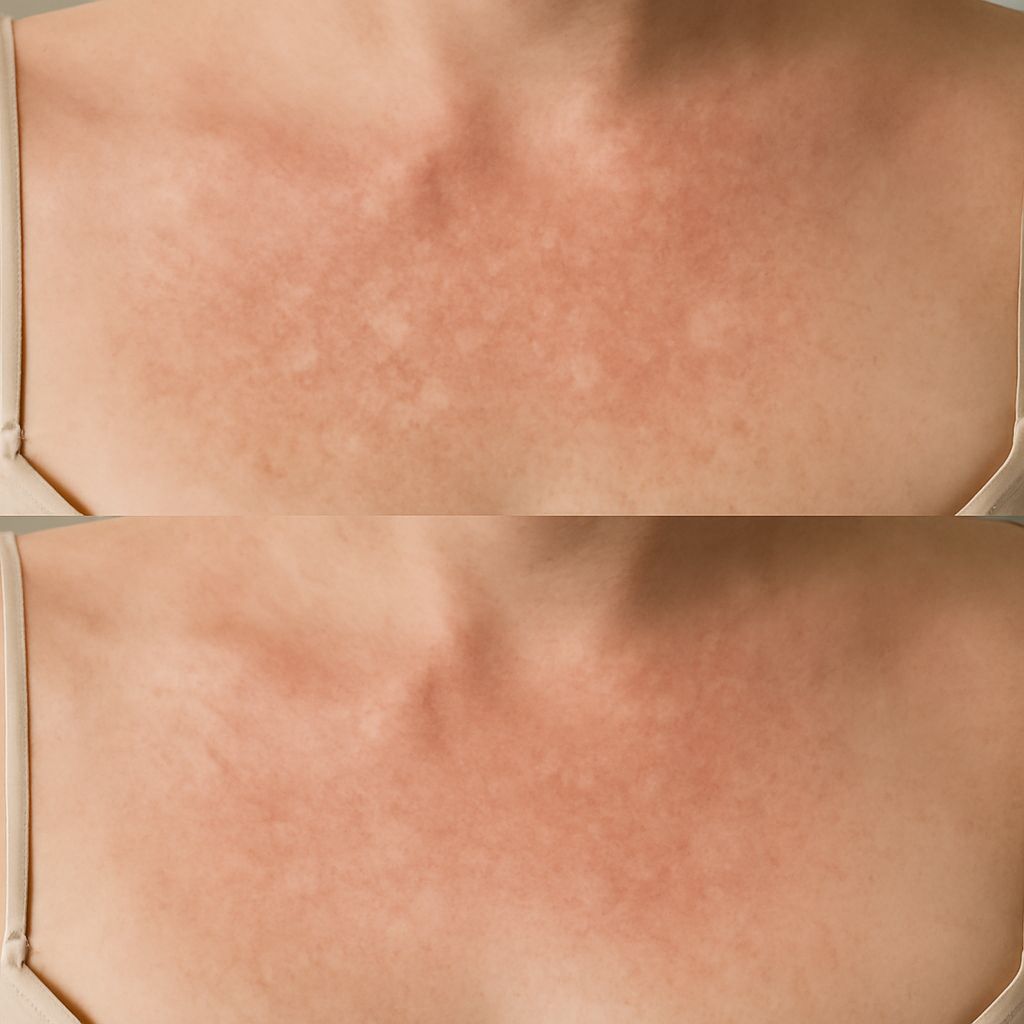
Many individuals experience white sun spots on their skin, especially after spending time in the sun. These white spots on skin from sun exposure can be a cosmetic concern and may impact one’s confidence. Fortunately, understanding why these spots occur and exploring effective treatment options can help manage and potentially reduce their appearance.
White spots on skin after tanning may seem permanent, but there are various methods to address white sunspots on skin. From adopting preventive measures to exploring topical treatments, we will guide you through the solutions to manage these spots effectively.
What Causes White Sun Spots on Skin?
Sun Exposure and Its Effects
Prolonged sun exposure is a primary factor in the development of white sun spots on skin. The ultraviolet (UV) rays from the sun can damage skin cells and affect melanin production, leading to hypopigmentation or lightened patches.
Role of Skin Pigmentation
Skin pigmentation plays a crucial role in how your skin reacts to sunlight. Individuals with lighter skin tones or uneven pigmentation are more susceptible to developing white spots after sun exposure. This occurs because the contrast between the unaffected and affected areas is more noticeable.
Other Contributing Factors
Aside from sun exposure, factors such as genetics, age, and certain skin conditions may contribute to the presence of these spots. Conditions like vitiligo and pityriasis alba, although unrelated to sun exposure, can result in similar white patches on the skin.
How to Get Rid of White Spots on Skin from Sun?
Topical Treatments
Topical treatments, including creams and lotions containing ingredients like hydroquinone or corticosteroids, may help in reducing the appearance of white sunspots by evening out skin tone over time.
Sun Protection Strategies
Preventing further damage is essential. Regular use of broad-spectrum sunscreen with a high SPF can protect against UV rays and help prevent the appearance of new sunspots. Wearing protective clothing and seeking shade during peak sun hours are also critical measures.
Home Remedies
Some home remedies, such as applying aloe vera or coconut oil, may provide soothing effects to the skin and help in maintaining its moisture. However, their effectiveness in treating white spots specifically is limited and anecdotal.
When to Consult a Dermatologist
If over-the-counter treatments and preventive measures do not yield satisfactory results, consulting with a dermatologist is advisable. They can offer professional advice and recommend more potent treatments or procedures.
Are White Spots on Skin After Tanning Permanent?
Understanding Tanning and Skin Damage
When the skin tans, it produces more melanin as a response to UV exposure. However, excessive exposure can damage melanocytes, leading to unpigmented patches or white spots. This damage can be reversible if addressed early.
Possible Reversibility of White Spots
With proper care and treatment, some white spots may fade over time. Consistent use of sun protection and skin-nourishing products can support skin health and improve its appearance.
What are Common Treatments for White Sunspots on Skin?
Over-the-Counter Solutions
Products containing retinoids, antioxidants, or alpha hydroxy acids (AHAs) can promote skin renewal and potentially reduce the visibility of white sunspots.
Professional Dermatological Procedures
In more persistent cases, dermatologists may recommend treatments like laser therapy or chemical peels, which target the affected areas and encourage new, evenly pigmented skin to form.
How Can You Prevent White Spots on Skin from Tanning?
Proper Tanning Techniques
Gradual exposure to sunlight and avoiding peak sun hours can minimize the risk of developing white spots. Using self-tanning products instead of sunbathing is a safer alternative.
Preventive Skincare Tips
Incorporating a daily skincare routine that includes moisturizing, adequate sun protection, and antioxidants can strengthen the skin’s resilience against sun damage.
When Should You Seek Professional Help for White Spots?
Signs of Serious Skin Conditions
If white spots are accompanied by other symptoms such as itching, scaling, or changes in size and appearance, it’s crucial to seek professional advice to rule out underlying skin conditions.
Choosing the Right Skin Specialist
Consulting with a board-certified dermatologist is vital for accurate diagnosis and treatment. They can offer personalized solutions based on the specific characteristics of your skin.
Safety Recap: Always use sun protection to prevent skin damage. If using home remedies or topical treatments, conduct a patch test to ensure no adverse reactions occur. Seek professional advice when necessary to ensure safe and effective care.





Leave a Reply