
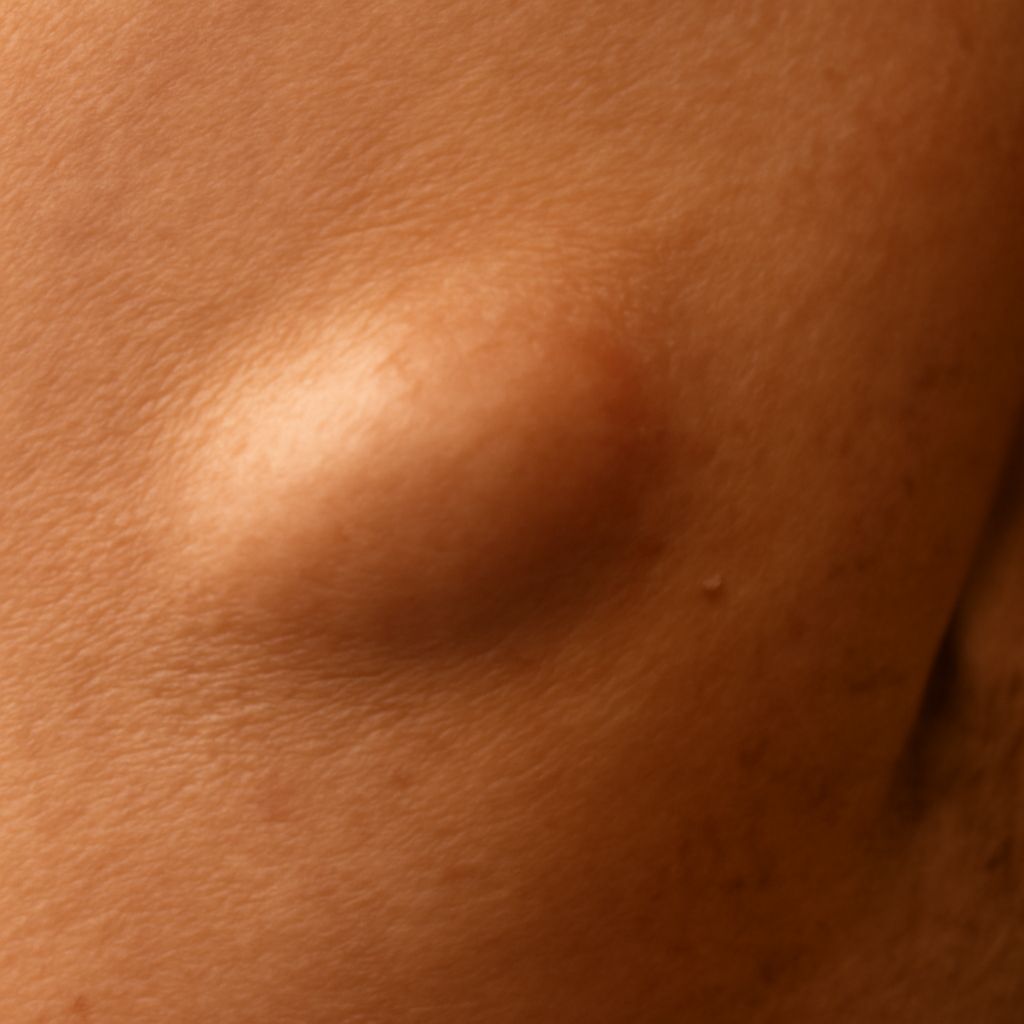
Discovering a hard bump under skin can be an unsettling experience. Whether it appears suddenly or has been there for a while, the presence of a hard knot under skin can cause worry. However, understanding the potential causes and knowing how to address them can offer peace of mind. This article explores the nature of knots under skin, discusses ways to identify their causes, and provides guidance on appropriate treatment options for lumps under the skin.
From common occurrences like cysts to more concerning conditions that require medical attention, hard bumps under the skin can vary widely in significance. By examining the underlying causes and exploring both medical and home treatments, individuals can make informed decisions about their health and well-being.
What Causes Hard Bumps Under Skin?
Common Causes of Hard Bumps
Hard bumps under the skin often result from benign conditions. Cysts, for example, are frequently encountered and are typically harmless. These fluid-filled sacs can develop anywhere in the body and vary in size. Lipomas, soft and movable growths of fatty tissue, are another common cause that usually pose no health risk.
Uncommon Causes of Hard Knots Under Skin
While most hard knots are benign, some may signify more serious conditions. Fibromas, benign tumors made of fibrous tissues, can form hard lumps. In rare cases, hard bumps may indicate malignancies such as sarcomas, requiring prompt medical evaluation.
When to Seek Medical Attention
It’s crucial to seek medical advice if a lump changes rapidly in size, becomes painful, or is associated with systemic symptoms like fever. Persistent or unusual hard knots under skin warrant professional examination to rule out serious conditions.
How Are Knots Under Skin Diagnosed?
Initial Examination
Diagnosis begins with a thorough clinical assessment. A healthcare provider will inquire about the lump’s history, any associated symptoms, and the patient’s overall health. Physical examination helps determine the lump’s characteristics and guides further investigation.
Diagnostic Tests for Lumps Under the Skin
If the initial examination suggests further investigation, imaging tests like ultrasounds or MRIs may be recommended. In some cases, a biopsy is necessary to determine the nature of the lump, particularly if malignancy is suspected.
What Are the Treatment Options for Hard Bumps?
Home Remedies and Over-the-Counter Solutions
For minor bumps, home remedies might offer relief. Warm compresses can alleviate discomfort and promote drainage for cysts. Over-the-counter anti-inflammatory medications may also help reduce swelling and pain.
Medical Treatments for Hard Bumps Under Skin
Medical treatments vary depending on the underlying cause. Corticosteroid injections can reduce inflammation in certain types of lumps. Dermatologists may offer treatments like laser therapy to address specific skin conditions.
Surgical Options for Persistent Knots
Persistent or troublesome lumps might require surgical intervention. Surgical removal is often considered for lipomas, cysts, or benign tumors that cause discomfort or cosmetic concerns. In cases where malignancy is suspected, surgical excision ensures a thorough evaluation and treatment.
Can Hard Knots Under Skin Be Prevented?
Lifestyle Changes to Prevent Lumps
While it’s not always possible to prevent lumps, maintaining a healthy lifestyle may reduce the risk. Avoiding trauma to the skin, managing weight, and reducing sun exposure can contribute to overall skin health.
Regular Skin Checks and Monitoring
Regular self-examinations and routine check-ups with a healthcare provider can help detect changes early. Monitoring existing lumps for any changes in size, shape, or sensation is crucial for timely intervention.
Are There Any Risks Associated with Hard Bumps?
Potential Complications
Hard bumps under the skin can occasionally lead to complications. Infections can occur if a cyst ruptures, requiring antibiotic treatment. A biopsy may lead to minor swelling or bruising, but serious complications are rare.
Long-term Health Considerations
Most hard bumps are benign and do not affect long-term health. However, identifying and treating malignant lumps early is essential for favorable outcomes. Continuous monitoring ensures that any changes are addressed promptly.
Safety Recap: Always consult with a healthcare provider if you’re unsure about a lump under the skin. Using sharp tools for removal or treatment at home is not recommended due to potential risks. Prioritizing professional medical advice ensures safe and effective care.





Leave a Reply