Achieving the perfect rose gold skin tone can be an exciting beauty endeavor, but for those dealing with cavernous hemangioma skin or trophic skin changes, this journey might present unique challenges. One common question asked by individuals exploring hair coloring options is, “Does balayage use bleach?” This comprehensive guide will not only answer this question but also provide insights into caring for balayage-treated hair with the best night cream for combination skin.
Understanding the role of bleach in balayage, along with exploring alternatives, is crucial for maintaining the health of your hair and scalp. By consulting with hair professionals and adopting safe practices, you can enjoy a stunning balayage look while managing your skin’s unique needs.
What is Balayage and How Does it Work?
Introduction to Balayage
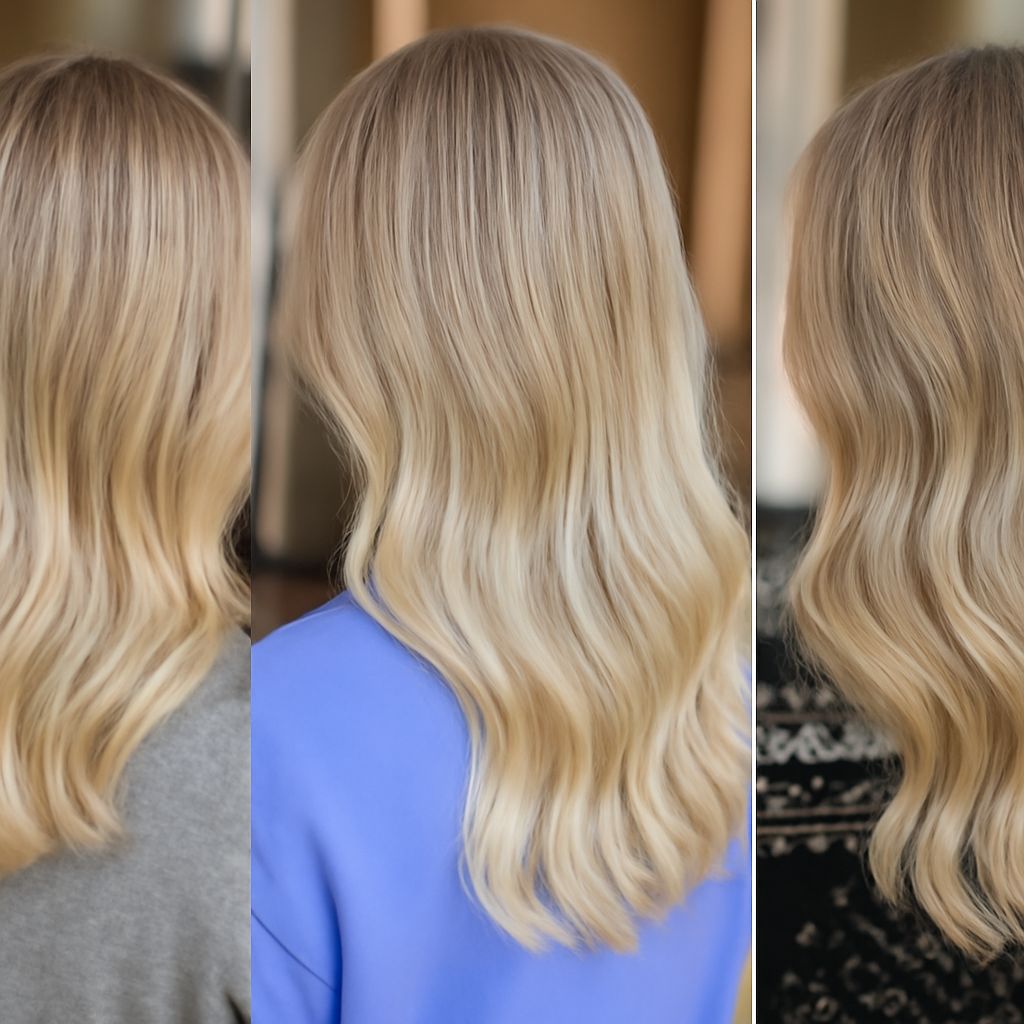
Balayage, a term derived from the French word for “sweeping,” is a hair coloring technique that creates a natural, sun-kissed look. Unlike traditional methods, it involves freehand painting of the hair to add depth and dimension without harsh lines.
Techniques Used in Balayage
The techniques in balayage allow for a more natural progression of color. Stylists paint the dye onto the surface of each hair strand, avoiding saturation. This technique offers a seamless blend and a more subtle appearance compared to conventional highlights.
Balayage vs. Traditional Highlights
Traditional highlights typically use foils to isolate sections of hair, creating a more structured color pattern. In contrast, balayage offers a softer, more natural progression without the need for foils, making it a popular choice for those seeking a low-maintenance, yet chic style.
Does Balayage Use Bleach and Why?
Role of Bleach in Balayage
Bleach is often used in balayage to lift the natural hair color, allowing the new hue to stand out. This is especially essential for achieving lighter shades. However, the amount and concentration of bleach used are carefully controlled to minimize damage.
Alternatives to Bleach in Hair Coloring
For those concerned about the potential damage from bleach, alternatives like ammonia-free dyes or non-bleach lighteners can be used. These alternatives can achieve a similar effect with less impact on hair health.
Safety Measures When Using Bleach
When using bleach in balayage, safety is paramount. Protective measures such as thorough scalp care and post-treatment conditioning are essential to prevent irritation and maintain hair integrity.
How to Care for Balayage with Night Cream for Combination Skin
Importance of Night Cream
Using a high-quality night cream can enhance your beauty routine by providing essential hydration and nourishment. This is particularly beneficial for those with combination skin, which requires a balanced approach to skincare.
Choosing the Right Night Cream
When selecting a night cream for combination skin, look for ingredients that offer hydration without clogging pores. Products with hyaluronic acid or niacinamide are excellent choices.
Application Tips
Apply your night cream gently, using upward strokes to enhance absorption. Focus on areas that might be prone to dryness or oiliness, ensuring even coverage to support your skin during its nighttime renewal process.
Understanding Cavernous Hemangioma Skin in Relation to Hair Treatments
Identifying Cavernous Hemangioma
Cavernous hemangioma is a vascular condition characterized by benign tumors that can affect skin appearance. Awareness of this condition is essential for those considering hair treatments.
Potential Impacts on Hair Coloring
Hair coloring might pose challenges for individuals with cavernous hemangioma due to increased skin sensitivity. It is important to patch test products to avoid adverse reactions.
Consulting with Professionals
Consultation with experienced hair professionals is crucial to tailor hair treatments to your unique skin condition, ensuring safe and satisfying results.
Exploring Trophic Skin Changes and Hair Coloring
What Are Trophic Skin Changes?
Trophic skin changes refer to alterations in skin texture and appearance due to underlying health conditions. These changes can affect how your skin responds to external treatments, including hair coloring.
Effects on Hair and Scalp
Such skin changes can lead to increased sensitivity or dryness of the scalp, necessitating a cautious approach to hair coloring to prevent irritation or damage.
Managing Skin Health
Maintaining overall skin health through proper moisturizing and avoiding harsh chemicals can mitigate the effects of trophic changes, ensuring a healthier foundation for hair treatments.
Achieving the Perfect Rose Gold Skin Tone with Balayage
Rose Gold Skin Tone Explained
The rose gold skin tone is a blend of pink and gold hues, offering a warm and radiant appearance. Balayage can complement this tone by adding subtle highlights that enhance its natural glow.
Matching Balayage with Skin Tone
To achieve harmony between your balayage and rose gold skin tone, consider shades that complement the warmth of your skin. Consulting with a colorist can help tailor the balayage to suit your unique complexion.
Color Maintenance Tips
Regular touch-ups and appropriate hair care, including the use of sulfate-free shampoos and hydrating masks, will help maintain the vibrancy of your balayage and overall hair health.
Safety Recap: When undergoing balayage, especially if bleach is involved, ensure proper scalp protection and post-treatment care. For those with unique skin conditions such as cavernous hemangioma or trophic changes, consulting with professionals is essential to customize your hair color experience safely. Always prioritize skin and hair health by using appropriate products and techniques.




Leave a Reply