
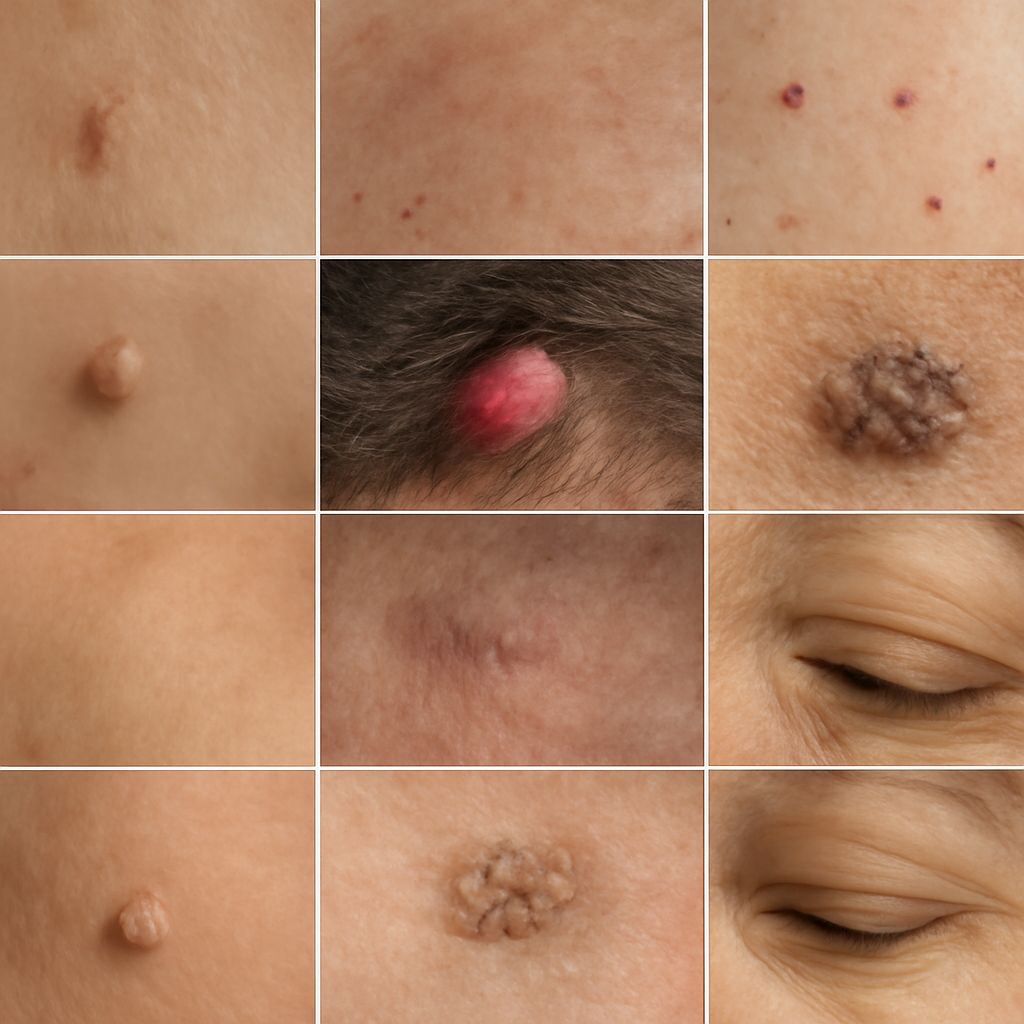
Skin growths, ranging from harmless to potentially serious, can often be a cause for concern. Understanding the different types of skin growth, their causes, and when to seek medical advice is crucial for maintaining healthy skin. Whether it’s a benign growth, a pre-cancerous condition, or something more serious, knowing the characteristics and potential treatments can empower you in managing skin health effectively.
Fortunately, not all lumps or growths on the skin are a reason to panic. Many types are benign and can be easily managed. However, awareness is key to recognizing when a skin lump may need professional evaluation. This article will guide you through understanding the different aspects of skin growths, their causes, and the best courses of action for treatment.
What Are Skin Growths?
Defining Skin Growths
Skin growths are defined as any abnormal lump, bump, or patch on the skin. These can arise from a variety of causes and may vary widely in appearance. They are generally classified based on their potential for harm, ranging from benign to cancerous.
Common Characteristics of Skin Growths
Common characteristics of skin growths include changes in color, size, and texture. Some may appear as small, flesh-colored bumps, while others can be larger and darker. Understanding these variations helps in distinguishing between different types of growths.
What Are the Types of Skin Growths?
Benign Skin Growths
Benign skin growths include moles, freckles, and skin tags. These are usually harmless and often require no treatment unless they cause discomfort or cosmetic concerns. Monitoring these growths for any changes is important for ensuring they remain benign.
Pre-cancerous Skin Growths
Pre-cancerous growths, such as actinic keratosis, require closer attention as they have the potential to develop into skin cancer. These often appear as rough, scaly patches and are typically caused by prolonged sun exposure.
Cancerous Skin Growths
Cancerous skin growths, including melanoma, basal cell carcinoma, and squamous cell carcinoma, pose a significant health risk. These growths can vary in appearance but often change rapidly in size, shape, or color. Early detection and treatment are crucial for a positive outcome.
What Causes Skin Lumps and Growth on Skin?
Genetic Factors
Genetic predisposition plays a role in the development of certain skin growths. If a family member has had particular types of skin lumps, you may have a higher likelihood of developing similar conditions.
Environmental Influences
Environmental factors, such as UV radiation from the sun, significantly contribute to the development of skin growths. Protecting your skin with sunscreen and wearing protective clothing can mitigate some of these risks.
Infections
Certain infections, such as human papillomavirus (HPV), can cause growths like warts. These infections are generally transmitted through direct contact and can be managed with appropriate treatment.
How to Identify Different Skin Growths?
Visual Characteristics
Identifying skin growths involves observing changes in symmetry, border, color, diameter, and evolution—often abbreviated as the ABCDEs of melanoma. Paying attention to these factors helps in recognizing abnormal growths early.
When to Seek Professional Diagnosis
Consulting a dermatologist is advisable if a growth is rapidly changing, painful, or ulcerated. Professional diagnosis through skin examination and possibly a biopsy is essential for determining the exact nature of the growth.
What Are the Treatments for Various Skin Growths?
Over-the-Counter Solutions
Many benign growths can be treated with over-the-counter solutions. Products containing salicylic acid, for example, are effective for treating warts. However, it’s important to follow instructions carefully to avoid skin irritation.
Medical Procedures
Medical procedures, such as cryotherapy, surgical excision, or laser treatment, may be necessary for more serious skin growths. These should be performed by a qualified healthcare professional to ensure safety and effectiveness.
Home Remedies
Some individuals opt for home remedies to manage benign skin conditions. While natural methods like applying tea tree oil or apple cider vinegar may offer some relief, they should be approached with caution. It’s advisable to consult with a healthcare provider before trying home treatments.
When Should You Consult a Doctor?
Warning Signs to Watch For
Signs that necessitate a doctor’s visit include growths that bleed, itch persistently, or exhibit rapid changes. Early consultation can significantly improve treatment outcomes for potentially malignant conditions.
Preparing for a Dermatologist Visit
Prior to visiting a dermatologist, gather information about any changes in the growth, exposure to environmental risks, and family history of skin conditions. This information aids in accurate diagnosis and treatment planning.
Bottom line: Understanding the types, causes, and treatments of skin growths is vital for maintaining skin health. By monitoring changes and consulting professionals when necessary, you can effectively manage skin growths and reduce health risks.





Leave a Reply