
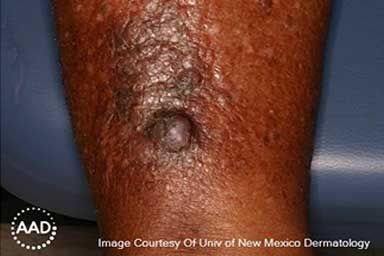
Many people hold the belief that black individuals are immune to skin cancer. However, this is a misconception that can lead to serious health risks. While melanin provides some protection against the harmful effects of UV rays, it does not make individuals with darker skin tones invulnerable to skin cancer. Understanding the risks and available treatments, such as photodynamic therapy for skin cancer, is crucial in addressing these health concerns.
Moreover, it is essential to explore diagnostic methods, like blood tests, and identify the single most important risk for skin cancer to ensure early detection and prevention. This article will delve into these aspects, debunking myths and providing critical insights into skin cancer risks and treatments for black people.
Understanding Skin Cancer in Black People
Prevalence and Misconceptions
Many myths surround the prevalence of skin cancer in black people, perpetuating the dangerous notion that they are immune. Although less common than in lighter-skinned individuals, skin cancer can still occur and often presents more aggressively in those with darker skin. The misconception that black people cannot get skin cancer may lead to delayed diagnoses and treatment, worsening outcomes.
Why Skin Cancer Can Be Overlooked
Skin cancer in black individuals often goes unnoticed due to a lack of awareness and atypical presentation. Lesions may appear in less sun-exposed areas such as palms, soles, and under the nails, making them harder to identify. Regular skin check-ups and familiarity with one’s skin are vital for early detection and effective treatment.
How Can Black People Get Skin Cancer?
Types of Skin Cancer Affecting Black People
Several types of skin cancer can affect black individuals, including melanoma, squamous cell carcinoma, and basal cell carcinoma. Among these, melanoma is particularly concerning as it tends to be more aggressive and is often diagnosed at a later stage, leading to poorer outcomes.
Symptoms to Watch Out For
Key symptoms include new or changing moles, lesions that do not heal, or unusual growths. It is essential to be vigilant about any changes in the skin, especially in areas less exposed to the sun. Seeking medical advice promptly can lead to earlier and more effective treatment.
Treatment Options: Photodynamic Therapy for Skin Cancer
How Photodynamic Therapy Works
Photodynamic therapy (PDT) is a non-invasive treatment option involving the application of a photosensitizing agent, followed by exposure to a specific wavelength of light. This process destroys cancerous cells while sparing healthy tissue, making it a favorable option for various skin cancers.
Effectiveness and Side Effects
PDT is effective for treating superficial skin cancers and pre-cancerous lesions. However, it may not be suitable for deeper or more aggressive cancers. Side effects are generally mild and include redness, swelling, and a sunburn-like sensation. Consulting with a dermatologist to determine suitability is crucial.
Detecting Skin Cancer: Does It Show Up in Blood Tests?
Current Diagnostic Methods
Current diagnostic methods for skin cancer primarily involve visual examination, dermatoscopy, and biopsy. These techniques allow healthcare professionals to assess suspicious lesions more accurately and determine appropriate treatment pathways.
Role of Blood Tests in Skin Cancer Detection
While blood tests are not used to detect skin cancer directly, they may be employed as supplementary tools in assessing the overall health status of a patient or monitoring the effectiveness of treatment. Researchers continue to explore the potential for blood tests to play a more significant role in cancer diagnostics.
Identifying Risks: The Single Most Important Risk for Skin Cancer
What Increases Your Risk?
Excessive exposure to ultraviolet (UV) radiation is the most significant risk factor for skin cancer. Although melanin offers some protection, it is not infallible. Other risk factors include family history, certain medications, and exposure to carcinogens.
Preventive Measures to Take
Preventive measures are crucial and include regular use of sunscreen, wearing protective clothing, and avoiding tanning beds. Regular self-examinations and professional skin evaluations can also aid in early detection and prevention.
Curious Facts: Can Shark Skin Cut You?
Understanding Shark Skin Properties
Shark skin is covered with tiny, tooth-like structures called dermal denticles, which can create a sandpaper-like texture. This unique property allows sharks to move swiftly through water, reducing drag and discouraging parasites.
Relevance to Human Skin
While the texture of shark skin can indeed cause abrasions, these properties have inspired advancements in materials science, leading to innovations in swimwear and medical equipment. However, the direct impact on human skin is minimal unless in contact over prolonged periods.
Bottom line: Skin cancer is a genuine risk for black people, and understanding the symptoms, risks, and treatment options like photodynamic therapy is essential. Regular skin checks and preventive measures are key to managing these risks effectively.



Leave a Reply