
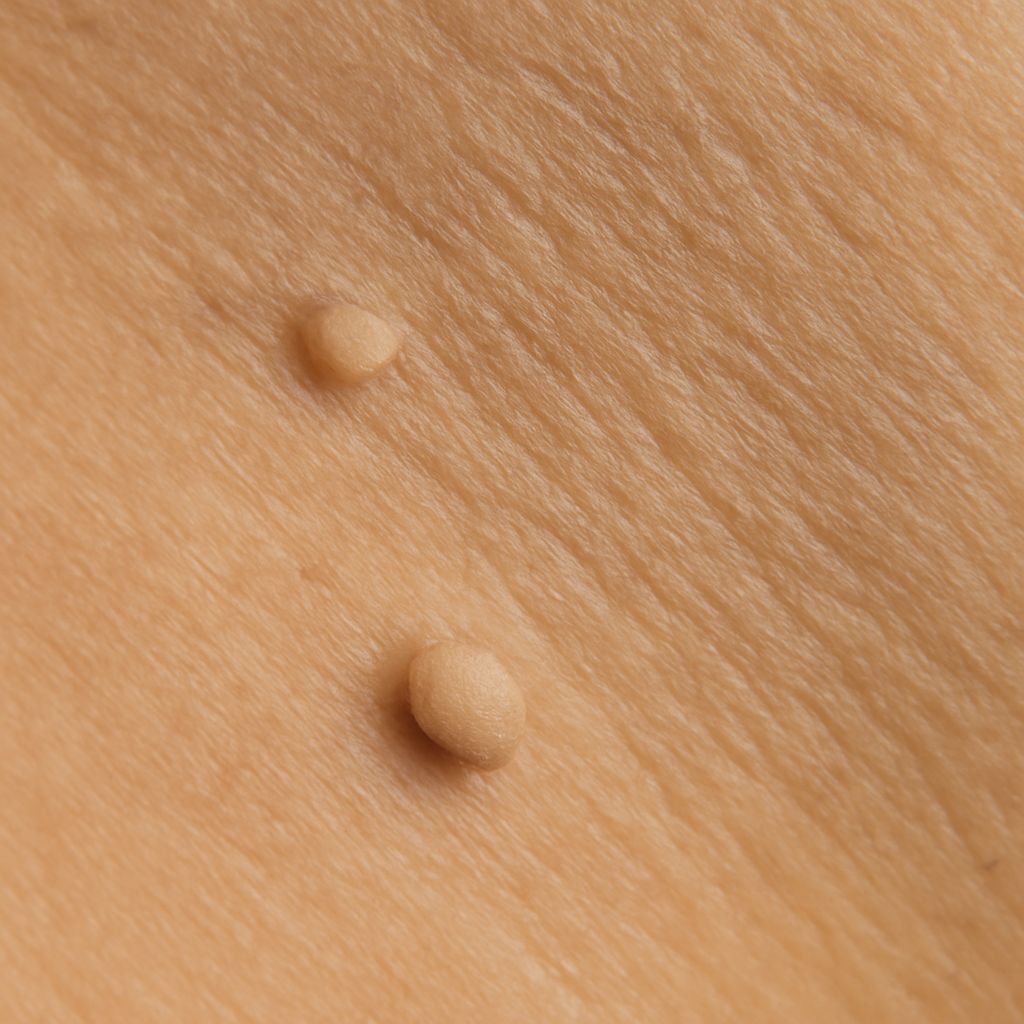
Skin tag on scrotum concerns, though common, can be both a source of discomfort and anxiety for many individuals. Recognizing the distinction between harmless growths and potentially serious conditions is crucial. A skin tag on the penis or the scrotum, while typically benign, can sometimes cause irritation or embarrassment, prompting people to seek solutions. Fortunately, there are various approaches, from home remedies to professional treatments, available to address these skin tag issues effectively.
Whether you’re dealing with a skin tag on a testicle or elsewhere in the genital region, understanding the causes and characteristics of these growths is the first step towards finding the right treatment. This article will guide you through the nuances of identifying, treating, and even preventing skin tags on the scrotum, empowering you to take informed action.
What Are Skin Tags and Why Do They Occur?
Definition and Characteristics of Skin Tags
Skin tags, medically known as acrochordons, are small, benign growths that commonly appear on areas where the skin folds or rubs together. These non-cancerous growths typically manifest as flesh-colored, soft protrusions attached to the skin by a thin stalk. While skin tags are generally painless, they can become irritated if subjected to friction or pressure.
Common Causes of Skin Tags on Scrotum and Penis
Skin tags on the scrotum and penis are often attributed to friction and the constant movement in these areas. Other factors contributing to their development include genetics, obesity, hormonal changes, and the natural aging process. The presence of skin tags on the genitals can also be influenced by skin conditions like chafing and irritation from clothing.
How to Identify Skin Tags on the Scrotum and Penis?
Differences Between Skin Tags and Other Growths
Distinguishing skin tags from other types of growths is vital for determining the appropriate course of action. Unlike warts, which have a rough surface, skin tags are smooth and soft. Moles, on the other hand, are typically darker and have a distinct appearance compared to the flesh-colored, flexible nature of skin tags.
Self-Examination Tips for Detecting Skin Tags
Conducting self-examinations can help in identifying skin tags on the scrotum or penis. A mirror and good lighting can aid in a thorough examination of the area. Look for small, soft, flesh-colored protrusions that may resemble a balloon on a narrow stalk. If you have doubts or notice unusual changes, it is advisable to consult a healthcare provider for further assessment.
What Are the Treatment Options for Skin Tags on the Scrotum?
Home Remedies for Skin Tag Removal
For those seeking natural solutions, several home remedies may help in removing skin tags. Options include applying apple cider vinegar, tea tree oil, or a paste of baking soda and castor oil directly on the tags. These methods may take time and patience, as repeated application is often necessary to achieve results. Always conduct a patch test to ensure your skin does not react adversely to these substances.
Professional Medical Treatments
If home remedies are ineffective or if skin tags cause persistent discomfort, professional medical treatments are available. Dermatologists can safely remove skin tags using techniques like cryotherapy, where liquid nitrogen is used to freeze the tag, or surgical excision, which involves cutting off the tag with sterile instruments. Laser treatments are another option, offering a precise and quick resolution with minimal discomfort.
Can Skin Tags on the Scrotum Be Prevented?
Lifestyle Changes to Minimize Risk
Adopting certain lifestyle modifications can help reduce the risk of developing skin tags on the scrotum. Maintaining a healthy weight can decrease skin folds and friction, while wearing well-fitting, breathable clothing can help minimize irritation. Good hygiene practices, including regular washing and keeping the area dry, further assist in prevention.
When to Consult a Dermatologist
While skin tags are generally harmless, there are situations where consulting a dermatologist is recommended. Seek professional advice if a tag changes color, becomes painful, or exhibits rapid growth. Additionally, if you are unsure about the diagnosis or if home treatments have proven unsuccessful, a dermatologist can provide clarity and effective treatment options.
Pro Tips Recap
To manage skin tags on the scrotum effectively, start with understanding their characteristics and causes. Utilize self-examination techniques to differentiate them from other growths. Explore home remedies cautiously, and consider professional treatments if necessary. Preventive measures such as maintaining a healthy lifestyle and consulting with a dermatologist when needed are essential steps in managing and preventing skin tags.
Safety Note: Always consult with a healthcare provider before attempting to remove skin tags at home to avoid complications or infections, especially in sensitive areas like the scrotum and penis.




Leave a Reply