
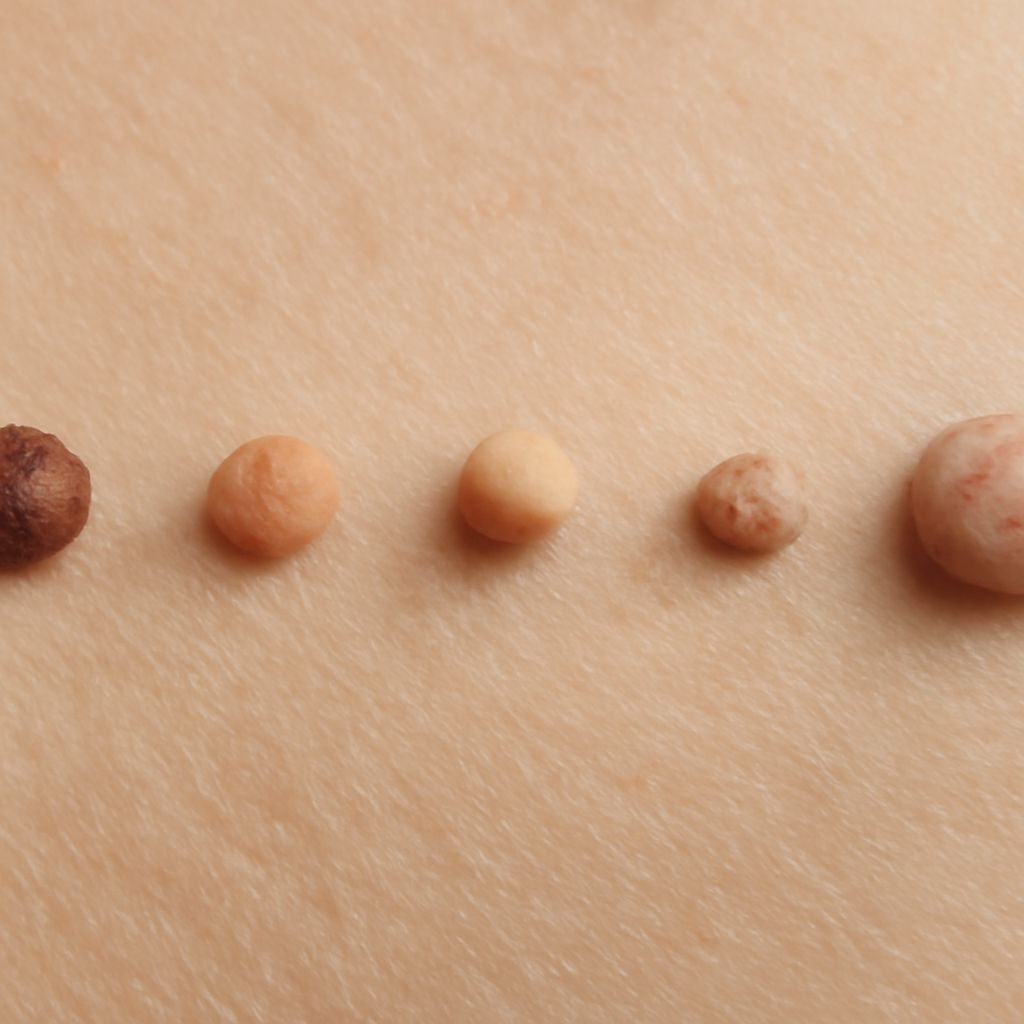
In the realm of dermatology, distinguishing between a mole and a skin tag can be perplexing for many. Often appearing as small growths on the skin, moles and skin tags can look similar but have distinct characteristics and implications. Understanding the key differences between these two can aid in identifying whether it’s a mole or skin tag. Recognizing these variations is crucial for effective skin care and treatment.
A mole vs skin tag comparison will illuminate the subtle distinctions and guide individuals in identifying and managing these common skin conditions. The difference between skin tags and moles lies not only in their appearance but also in their causes, risks, and treatment options. This article will delve into these differences, offering clarity and direction for anyone seeking to understand more about these skin growths.
What Are Skin Tags and Moles?
Definition of Skin Tags
Skin tags are benign growths that typically hang off the skin and are connected by a small, thin stalk. They’re composed of normal skin tissue and are often found in areas where skin rubs against skin, such as the neck, armpits, or groin. Unlike moles, skin tags are generally soft to the touch and can vary in color.
Definition of Moles
Moles, on the other hand, are growths on the skin formed by clusters of pigmented cells called melanocytes. These can appear anywhere on the body and vary in color from pink to dark brown. Moles tend to be flat or slightly raised and have a more solid structure compared to skin tags.
Common Locations
Skin tags frequently occur in areas prone to friction, such as under the breasts, eyelids, and neck. Moles can appear anywhere but are commonly found on sun-exposed skin areas including the face, arms, and back.
Appearance Differences
Visually, skin tags are small, flesh-colored protrusions, while moles may range from a tiny dot to a larger pigmented area. The surface of a mole is often smooth, whereas skin tags can be irregular or knobbly.
How to Identify a Skin Tag or Mole
Visual Clues
To distinguish between a mole and a skin tag, start by examining the size, color, and texture. Moles tend to be flat or slightly raised, while skin tags hang off the skin and have a stalk. The color and uniformity of moles can vary significantly.
Touch and Feel
Touching a growth can provide further clues; skin tags are usually soft and malleable, whereas moles can be firmer. Skin tags may also feel like they’re loosely attached, unlike moles which are securely embedded.
Growth Patterns
Observe any changes over time. Moles can change color or size due to hormonal changes or sun exposure, while skin tags typically remain stable unless irritated or damaged.
Causes and Risk Factors
Genetic Factors
Genetics play a significant role in the development of moles, with some individuals more predisposed to having numerous moles due to their family history. Skin tags might also have a hereditary component, though less prominently.
Environmental Influences
Exposure to the sun is a major factor influencing mole formation, as UV rays can trigger changes in the skin cells. Skin tags are less affected by the environment but can result from friction and irritation.
Lifestyle Factors
Obesity and diabetes are linked to the occurrence of skin tags. Moles, however, are more influenced by sun exposure and hormonal changes, such as during pregnancy or puberty.
Treatment Options for Skin Tags and Moles
Home Remedies
For those seeking natural remedies, apple cider vinegar and tea tree oil are popular options for skin tag removal, although their effectiveness varies. Moles should generally be left untreated unless advised otherwise by a healthcare professional.
Medical Treatments
Doctors can remove skin tags and moles through procedures such as cryotherapy, surgical excision, or laser treatment. These methods are effective and often required if cosmetic reasons or discomfort drive the need for removal.
When to Consult a Doctor
Consult with a dermatologist if a mole shows signs of change in size, color, or shape, which could indicate skin cancer. Skin tags are harmless but can be professionally removed if they cause annoyance or irritation.
Prevention Tips for Skin Tags and Moles
Healthy Habits
Maintain a healthy weight and keep your skin clean to reduce friction-related skin tags. Protecting skin from excessive sun exposure can minimize the risk of developing new moles.
Protective Measures
Regular use of sunscreen reduces the likelihood of new moles forming and protects existing ones from changes. Avoid unnecessary skin irritation to prevent skin tags.
Regular Skin Checks
Perform self-examinations to monitor any changes in existing moles and skin tags. Regular dermatologist visits are recommended to catch any potential issues early.
When to Seek Professional Advice
Signs of Concern
Professional advice should be sought if a mole changes in color, size, or symmetry, or if it begins to bleed or itch. Such changes can indicate malignancy.
Professional Diagnosis
A dermatologist can provide a comprehensive evaluation and determine the appropriate course of action for suspicious moles or irritating skin tags.
Treatment Recommendations
Medical experts may recommend removal of skin tags if they are bothersome, while atypical moles may need biopsy to rule out cancerous changes.
Safety Recap: When considering treatment for skin tags or moles, ensure tools are sterilized and handle skin with care to minimize irritation. Consult a dermatologist for professional diagnosis and treatment options, especially if skin sensitivity is a concern.





Leave a Reply