
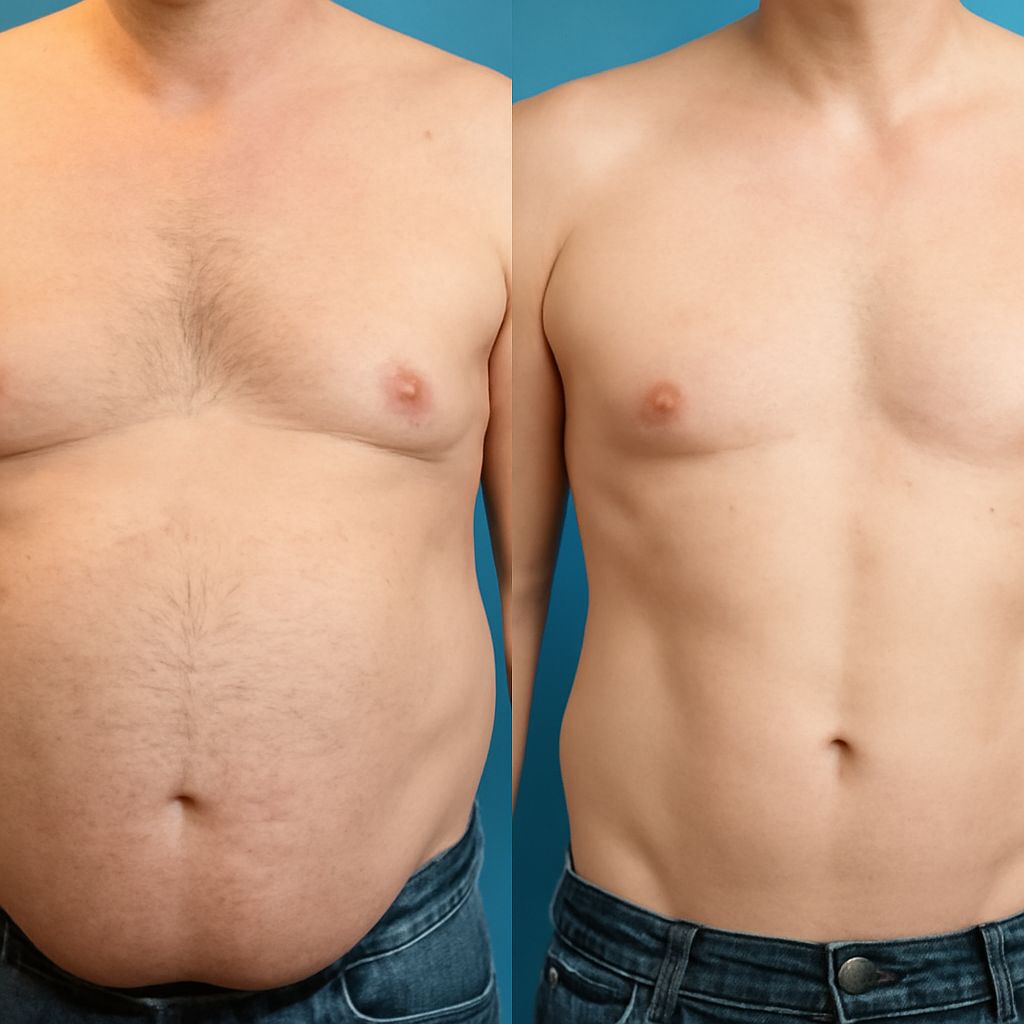
For many individuals, significant weight loss is a transformative journey. However, it often comes with the unexpected challenge of loose skin. This can affect both physical comfort and confidence. How to get rid of loose skin becomes a common concern as individuals seek to enjoy their new physique without the excess skin. Fortunately, there are effective solutions and tips available to help address this issue.
In this article, we will explore why excess skin occurs after weight loss, delve into natural methods for tightening loose skin, and discuss medical options available for those who need them. Additionally, we will provide guidance on how to prevent excess skin during the weight loss process and when it may be necessary to consult a dermatologist or surgeon. Whether you’re looking to tighten loose skin naturally or considering medical interventions, understanding your options will empower you to make informed decisions for your skin health.
Why Does Excess Skin Occur After Weight Loss?
Understanding Skin Elasticity
Skin is a remarkably resilient organ, capable of stretching and contracting with weight fluctuations. However, its elasticity can diminish with age, prolonged stretching, or excessive weight gain, making it difficult to bounce back after significant weight loss.
Factors Contributing to Loose Skin
Several factors can contribute to the development of loose skin. These include rapid weight loss, age, genetics, and the length of time an individual was overweight. Each of these elements can impact the skin’s ability to tighten effectively post-weight loss.
Natural Methods to Tighten Loose Skin
The Role of Nutrition
Proper nutrition plays a crucial role in skin health. Consuming a balanced diet rich in vitamins C and E, alongside collagen-boosting foods like bone broth, can enhance skin elasticity. These nutrients support collagen production, crucial for maintaining firm, tight skin.
Importance of Hydration
Staying well-hydrated is essential for skin health. Water helps maintain skin elasticity and overall complexion. Aim for at least eight glasses of water a day to keep your skin looking its best.
Exercises to Improve Skin Tightness
Incorporating exercises that build muscle can help fill out loose skin. Strength training exercises, such as weightlifting and resistance training, are particularly effective in promoting skin firmness and muscle tone.
The Benefits of Massage
Regular massages can support skin health by improving circulation and stimulating collagen production. Techniques such as dry brushing or lymphatic drainage massage can promote tighter skin and reduce the appearance of cellulite.
Medical Treatments for Tightening Skin After Weight Loss
Overview of Surgical Options
For those who find natural methods insufficient, surgical options like body contouring or tummy tucks can provide more immediate results. These procedures physically remove excess skin, offering a more streamlined appearance.
Non-surgical Procedures
Non-surgical treatments, including laser therapy, ultrasound, or radiofrequency treatments, can help tighten skin without incisions. These options stimulate collagen and elastin production, promoting a firmer skin texture.
Preventing Excess Skin During the Weight Loss Process
Setting a Steady Weight Loss Pace
Losing weight at a steady, gradual pace can help prevent loose skin. Aim for a loss of 1-2 pounds per week, which allows the skin to adjust and contract naturally.
Incorporating Strength Training
Strength training exercises are crucial during weight loss. They help maintain muscle mass, which supports skin firmness and reduces the likelihood of excess skin.
When to Consult a Dermatologist or Surgeon
Signs You Might Need Professional Help
If loose skin causes physical discomfort or impacts your quality of life, it may be time to consult with a dermatologist or surgeon. Persistent skin rashes, infections, or chafing are indicators that professional advice is necessary.
Questions to Ask Your Doctor
When considering medical interventions, prepare questions for your doctor. Inquire about the risks, benefits, recovery time, and costs associated with surgical or non-surgical options.
Safety Recap: If opting for surgical or non-surgical treatments, ensure you are informed about potential risks and recovery expectations. Consult with a qualified professional to discuss your specific needs and health considerations.





Leave a Reply