
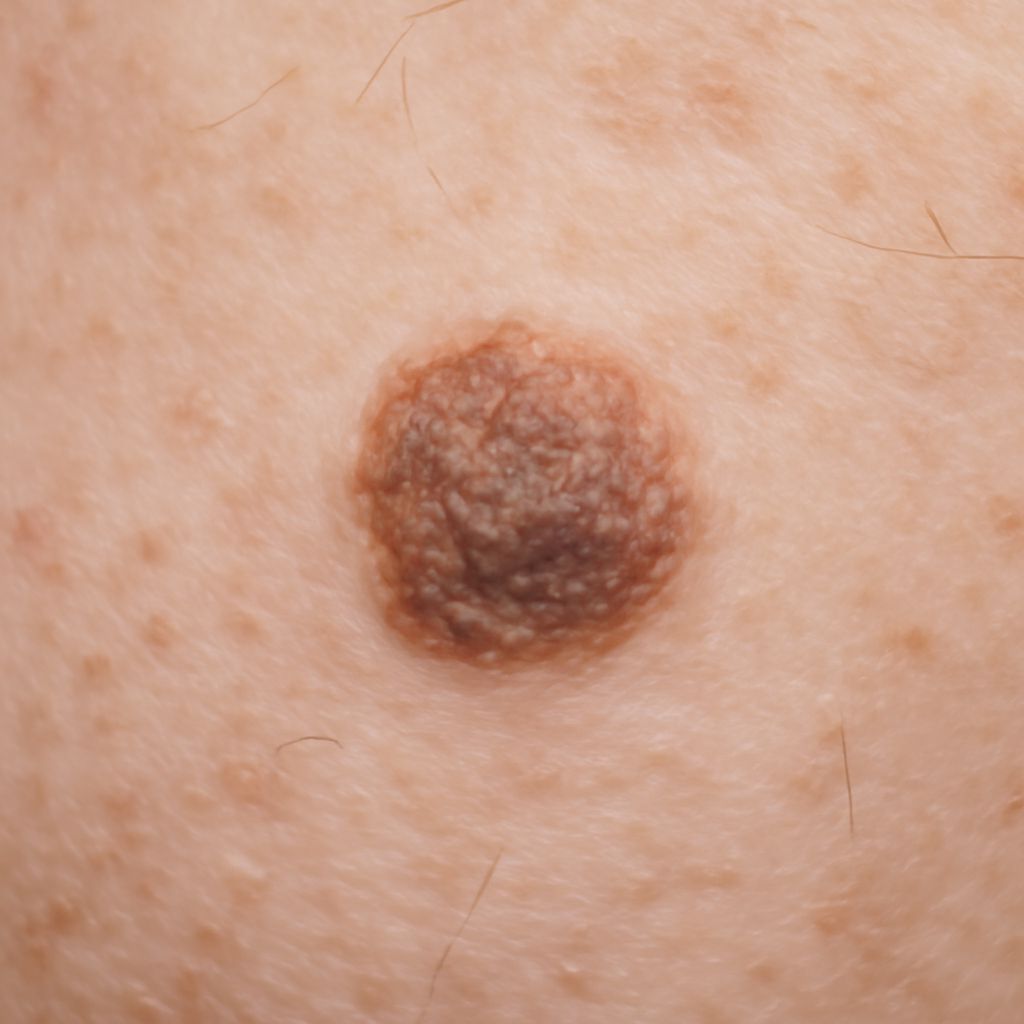
Skin tags are common benign growths that many individuals discover on their bodies, often causing cosmetic concerns rather than medical ones. However, the question remains for many: can skin tags be cancerous? Addressing this concern is crucial for peace of mind and ensuring skin health. In this article, we will explore what skin tags are, how to identify skin growths on face and elsewhere, and how to differentiate between common skin growths and those that may require medical attention.
Understanding the potential risks associated with skin tags and other skin growths is the first step in maintaining healthy skin. Through careful examination and appropriate management strategies, individuals can ensure they are taking proactive steps toward skin health. Read on to learn about the signs of potentially cancerous skin tags and practical prevention tips.
What Are Skin Tags and Are They Dangerous?
Definition of Skin Tags
Skin tags, medically known as acrochordons, are small, benign growths that appear on the skin. Typically found in areas where the skin folds, such as the neck, armpits, and groin, they are usually harmless.
Typical Characteristics
These growths are soft and flesh-colored, ranging from a few millimeters to a couple of centimeters in size. They are often smooth or slightly wrinkled and dangle from the skin on a thin stalk.
Skin Tags vs. Other Skin Growths
It is important to differentiate skin tags from other skin growths like warts or moles, as these can sometimes have different health implications. Skin tags are typically painless and non-itchy, unlike other growths that may exhibit different characteristics.
Can Skin Tags Be Cancerous?
Understanding Cancerous Skin Tags
While skin tags themselves are benign, there is a concern about cancerous skin tags. True cancerous skin growths are usually not skin tags but rather other types of lesions that require professional evaluation.
Warning Signs to Look For
Be alert if a skin tag changes in color, grows rapidly, or becomes painful. These could be warning signs of malignancy, and medical advice should be sought immediately.
When to Consult a Dermatologist
If you notice any suspicious changes in your skin growths, or if you’re uncertain about a specific growth, it’s important to consult a dermatologist. Regular check-ups can ensure that any potential issues are caught early.
Identifying Skin Growths on the Face
Common Skin Growths on Face
On the face, common skin growths include moles, freckles, and seborrheic keratoses. While most are benign, some may warrant closer inspection by a healthcare professional.
Differentiating Skin Tags from Moles
Moles differ from skin tags in that they can be flat or raised and have a more uniform color. Monitoring moles for changes in size, shape, or color is important, as they can sometimes develop into melanoma.
Other Skin Growths to Consider
Other facial skin growths such as cysts or lipomas are generally harmless but can still cause cosmetic concerns. A dermatologist can offer solutions for managing or removing these.
Preventing and Managing Skin Growths
Tips for Preventing Skin Tags
Maintaining a healthy weight, managing skin friction, and maintaining good hygiene can help prevent skin tags. Avoid irritants that may cause skin to rub excessively.
Management of Existing Skin Growths
Existing skin tags can often be left alone unless they cause discomfort or cosmetic concerns. When necessary, simple removal procedures are available.
Lifestyle Changes for Healthy Skin
A balanced diet rich in vitamins, regular hydration, and sun protection are key lifestyle changes that support overall skin health. These practices help maintain skin’s resilience against various growths.
Treatment Options for Skin Tags
Over-the-Counter Solutions
There are several over-the-counter products available for skin tag removal, such as creams and pads. These can be effective for small, non-problematic skin tags.
Professional Medical Procedures
For larger or more complicated skin tags, medical procedures like cryotherapy, surgical excision, or laser removal performed by healthcare professionals are recommended.
Home Remedies: Pros and Cons
Home remedies like tying off a skin tag with dental floss or applying apple cider vinegar are popular but should be approached cautiously due to the risk of infection or irritation. Consultation with a professional is advisable before trying home treatments.
When to Seek Professional Help
Signs You Should Not Ignore
It is crucial to seek professional help if a skin tag bleeds, changes color or shape, or becomes painful. These could be signs of a more serious condition.
Preparing for a Dermatologist Visit
Before visiting a dermatologist, note any changes in your skin tags and prepare questions about potential treatments. This preparation can help facilitate a productive consultation.
Questions to Ask Your Doctor
Ask about the nature of the growth, treatment options available, and any necessary aftercare. Understanding your condition is key to managing it effectively.
Next Steps: Regular skin checks and monitoring changes in skin growths are vital. Maintain healthy skin practices and consult professionals when in doubt to ensure peace of mind and optimal skin health.





Leave a Reply