
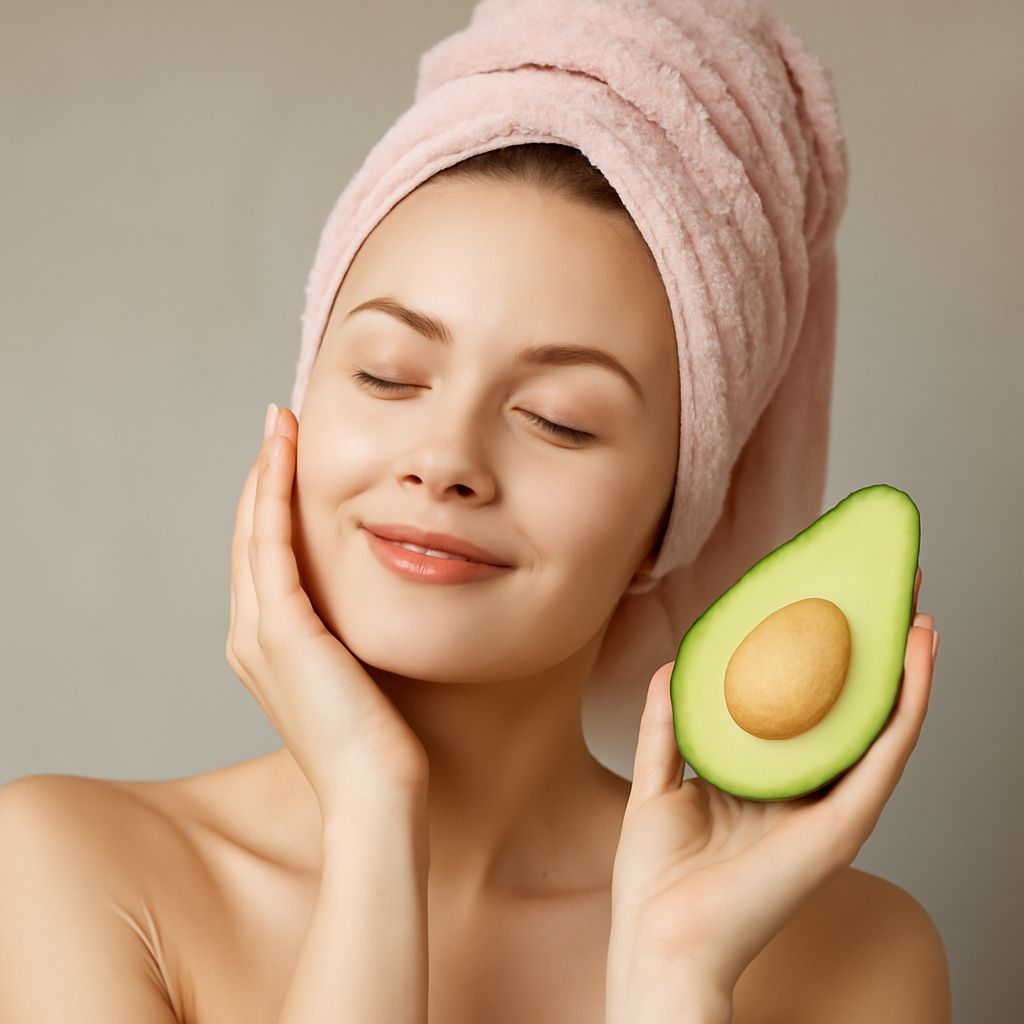
Achieving clear and radiant skin is a common goal for many, yet the solution often eludes those who rely solely on topical treatments. The secret to vibrant skin health lies not just in what you apply on your skin but also in what you consume. A clear skin diet can make a significant difference by nourishing your skin from the inside out. In this article, we delve into the best foods for clear skin, highlighting the essential components of a diet that promotes a glowing complexion.
Understanding the connection between diet and skin health is crucial. A well-balanced diet rich in nutrients not only supports overall health but also contributes to clear skin. By choosing the right foods, you can enhance your skin’s appearance and vitality naturally.
Why is Diet Important for Skin Health?
Understanding Skin Nutrition
Skin, our body’s largest organ, requires specific nutrients to function optimally. Vitamins, minerals, and antioxidants play a vital role in repairing skin damage, fighting free radicals, and maintaining elasticity. Incorporating a variety of these nutrients into your diet can lead to noticeable improvements in skin texture and clarity.
Impact of Diet on Skin Conditions
A balanced diet can significantly influence skin conditions such as acne, eczema, and rosacea. Studies have shown that diets rich in antioxidants and anti-inflammatory properties can reduce the severity of these conditions, offering a natural remedy to those seeking relief.
What are the Best Foods for Clear Skin?
Antioxidant-rich Foods
Foods abundant in antioxidants, such as berries, leafy greens, and nuts, help protect the skin from oxidative stress and environmental damage. These foods neutralize harmful free radicals, reducing the risk of premature aging and skin blemishes.
Hydrating Fruits
Fruits high in water content, like watermelon and cucumbers, keep your skin hydrated. Hydration is key to maintaining a supple and radiant complexion, as it helps to maintain the skin’s natural moisture barrier.
Omega-3 Fatty Acids
Fatty fish, such as salmon and mackerel, are rich in omega-3 fatty acids, which help maintain skin’s lipid barrier, reducing dryness and inflammation. These nutrients are essential for achieving smooth and healthy-looking skin.
Vitamins and Minerals
Vitamins such as A, C, and E, along with minerals like zinc and selenium, are crucial for skin health. They support collagen production, enhance skin repair mechanisms, and protect against UV damage, making them essential components of any clear skin diet.
How Does a Clear Skin Diet Work?
Balancing Nutrients
A clear skin diet focuses on balancing macronutrients—proteins, fats, and carbohydrates—along with essential micronutrients. This harmony ensures that your skin receives the nutrients it needs to regenerate and protect itself effectively.
Avoiding Harmful Foods
Avoiding processed and high-sugar foods can prevent inflammation and breakouts. Such foods can spike insulin levels, which may lead to increased oil production and clogged pores, exacerbating skin conditions.
Incorporating Superfoods
Adding superfoods such as chia seeds, avocados, and turmeric can enhance your diet’s effectiveness. These superfoods provide powerful anti-inflammatory and antioxidant benefits that support skin health and vitality.
Which Foods Should You Avoid for Better Skin?
Foods High in Sugar
Refined sugars and carbs can lead to spikes in blood sugar levels, triggering a series of reactions that may result in acne and other skin issues. Limiting sugary snacks and beverages is essential for maintaining clear skin.
Dairy and Skin Reactions
For some individuals, dairy products can exacerbate skin conditions like acne. If you notice a correlation between dairy intake and skin problems, consider reducing or eliminating dairy to see improvements in your skin’s clarity.
How to Create a Personalized Diet for Good Skin?
Identifying Skin Needs
Understanding your skin type and specific needs is the first step in creating an effective diet. Whether your skin is prone to dryness, oiliness, or sensitivity, tailoring your diet accordingly can make a significant difference.
Meal Planning Tips
Prepare meals that combine a variety of skin-boosting foods to ensure a balanced intake of nutrients. Incorporate colorful vegetables, lean proteins, and whole grains to support skin health effectively.
Sample Meal Plan
- Breakfast: Greek yogurt with berries and nuts.
- Lunch: Quinoa salad with spinach, avocado, and grilled chicken.
- Dinner: Grilled salmon with steamed broccoli and sweet potato.
- Snacks: Almonds or carrot sticks with hummus.
What Lifestyle Changes Complement a Clear Skin Diet?
Hydration and Skin Health
Adequate water intake is crucial for maintaining hydrated, healthy skin. Drinking sufficient water throughout the day helps flush out toxins and supports skin’s natural functions.
Exercise and Blood Circulation
Regular physical activity boosts circulation, delivering more oxygen and nutrients to the skin. This can improve skin tone and texture, enhancing the effectiveness of a clear skin diet.
Stress Management
Chronic stress can negatively affect skin health, leading to breakouts and dullness. Incorporating relaxation techniques such as yoga or meditation can help manage stress, promoting clearer skin.
Safety Note: While dietary changes can improve skin health, they are not a substitute for professional medical advice. If you have chronic skin conditions, consult with a dermatologist.
The bottom line is that a clear skin diet, rich in antioxidants, vitamins, and essential fatty acids, can significantly enhance your skin’s appearance. By making mindful dietary choices and adopting complementary lifestyle changes, achieving radiant and healthy skin is well within reach.




Leave a Reply