
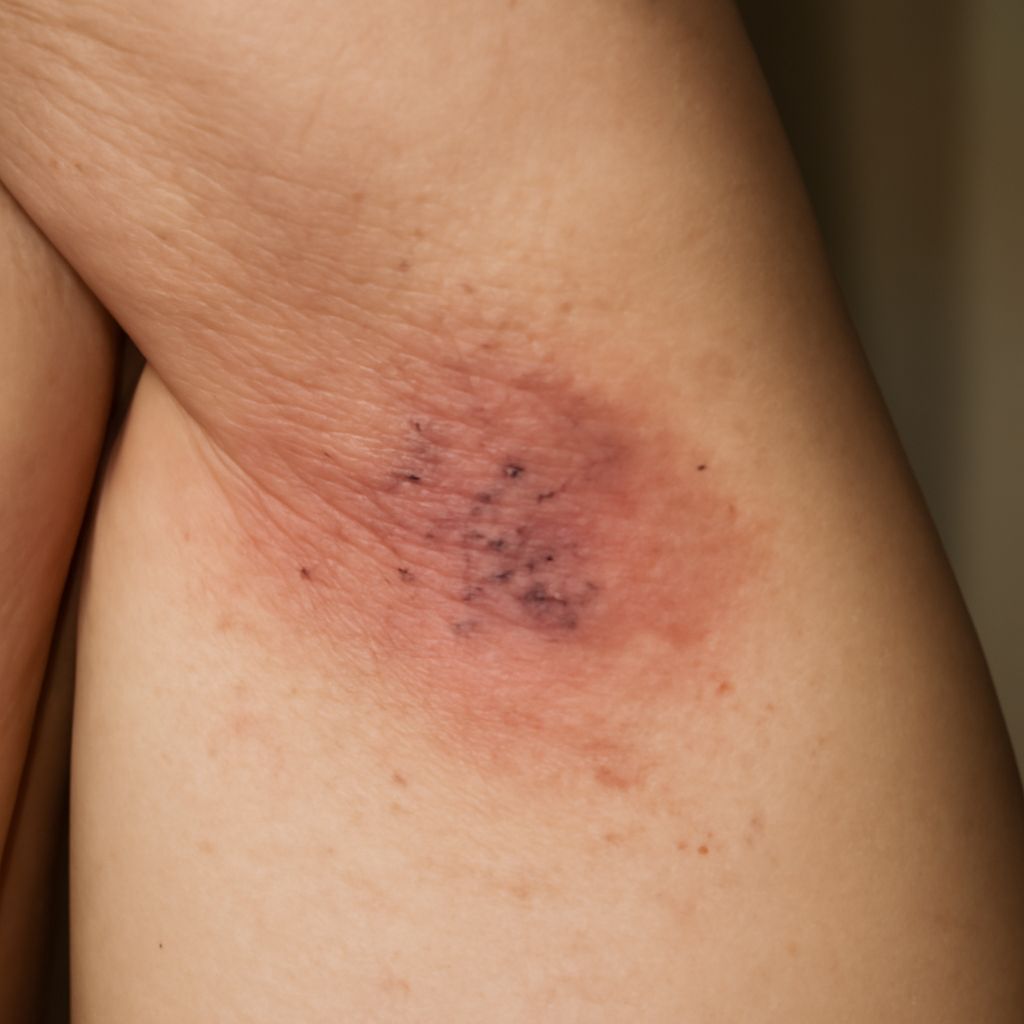
Blackheads on inner thighs can be a frustrating and sometimes painful skin concern. These blemishes, commonly caused by clogged pores, may lead to discomfort, especially during physical activity. Understanding the reasons behind blackheads between thighs can help you take effective steps towards clearer skin. In this article, we will explore the causes of inner thigh blackheads and offer solutions that can aid in their treatment and prevention.
What Causes Blackheads on Inner Thighs?
Friction and Sweat
The skin on your inner thighs is prone to friction, especially if chafing occurs from tight clothing or during exercise. This constant rubbing can lead to irritation, which may trigger the formation of blackheads as pores become clogged with sweat and dead skin cells. Excessive sweating further exacerbates this issue, providing a moist environment where bacteria thrive, potentially leading to more blackheads.
Hormonal Factors
Hormonal changes can play a significant role in the development of blackheads on the inner thighs. During puberty, pregnancy, or even due to menstrual cycles, your body undergoes hormonal fluctuations that can increase oil production. This surplus oil can block pores more easily, creating an environment conducive to blackhead formation. Understanding your body’s hormonal cycles can help manage these skin changes more effectively.
How Can You Treat Inner Thigh Blackheads?
Topical Treatments
Several topical treatments can aid in reducing blackheads. Products containing salicylic acid or benzoyl peroxide are particularly effective at unclogging pores and reducing inflammation. Gentle exfoliation with these ingredients can help remove dead skin cells and excess oil, thus minimizing blackhead formation. Additionally, opting for non-comedogenic skincare products can prevent further pore blockage.
Lifestyle Changes
Adapting certain lifestyle changes can significantly impact the frequency and severity of blackheads on your inner thighs. Maintaining a balanced diet rich in fruits, vegetables, and water can support skin health by ensuring proper hydration and nutrition. Regular exercise, combined with adequate hygiene practices, can also help keep pores clear and reduce sweating, thereby decreasing blackhead occurrence.
How to Prevent Blackheads Between Thighs?
Proper Hygiene
Implementing a consistent hygiene routine is essential for preventing blackheads. Regular showering, especially after intense physical activities, can remove potential irritants such as sweat and bacteria. Gentle cleansing with a mild soap or body wash will ensure that your skin remains clean without stripping it of essential oils that maintain its natural barrier.
Clothing Choices
The clothes you wear can influence blackhead formation on your inner thighs. Opt for loose-fitting garments made from breathable fabrics to minimize friction and allow your skin to breathe. Materials like cotton are ideal as they are absorbent and reduce the risk of chafing. Avoid tight synthetic materials that trap heat and moisture, as these conditions can exacerbate blackhead issues.
When Should You See a Dermatologist for Blackheads Inner Thighs?
Persistent Issues
If blackheads persist despite your efforts to manage them, it may be time to consult a dermatologist. A skin specialist can offer personalized treatment plans that address your specific needs and may include prescription medications. They can also assess whether underlying conditions contribute to persistent blemishes and recommend further interventions.
Signs of Infection
Blackheads can sometimes become infected, leading to painful, swollen bumps that may require professional attention. If you notice any signs of infection, such as increased redness, pus, or significant discomfort, seek medical advice promptly. A dermatologist can provide appropriate treatments to prevent the spread of infection and minimize scarring.
Next steps: To maintain clear skin and prevent blackheads on your inner thighs, adhere to a routine that includes proper hygiene, suitable clothing choices, and targeted skincare products. Monitor your skin’s reaction to different treatments and adjust your regimen as necessary. Remember, if you experience persistent or severe issues, consulting a dermatologist can provide additional support and solutions tailored to your skin type.





Leave a Reply