
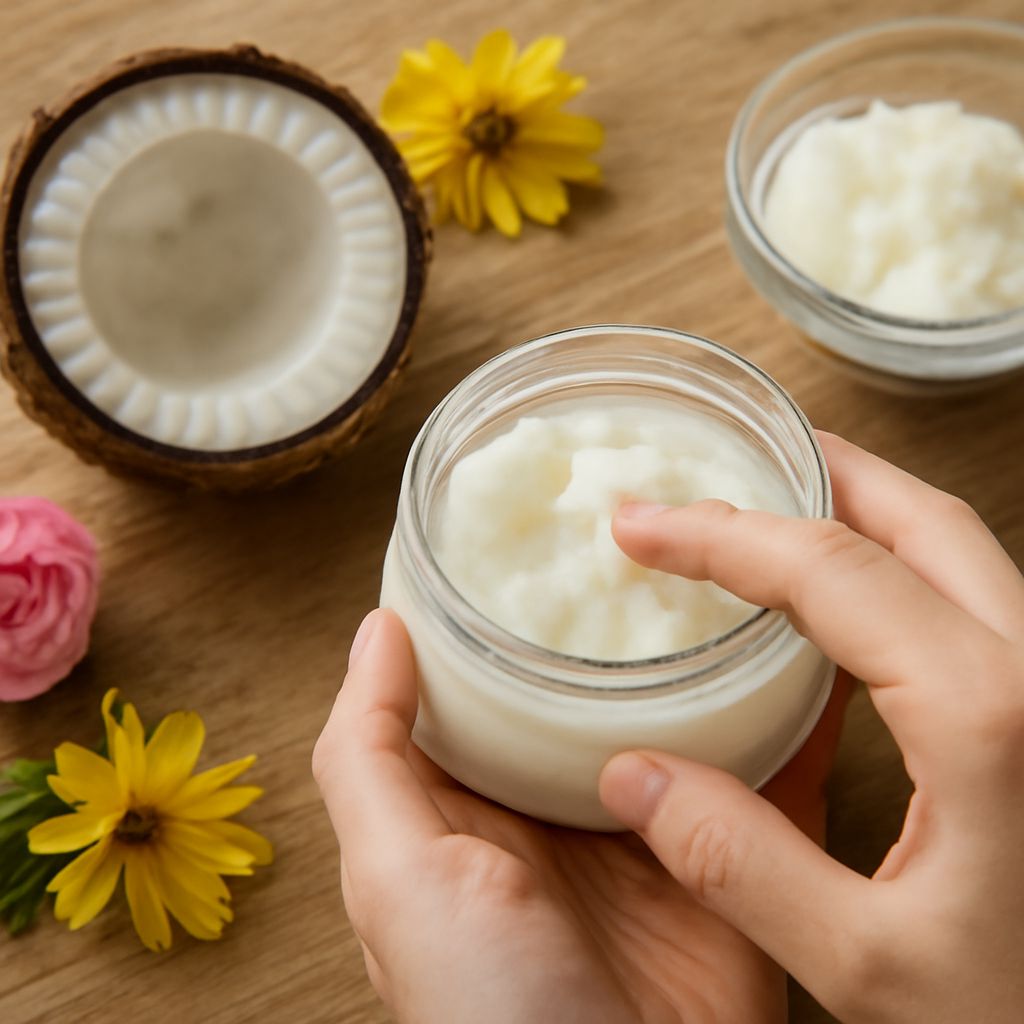
In recent years, the use of coconut oil as a skincare treatment has gained widespread popularity. Many individuals swear by its natural healing properties, but does coconut oil cause acne or is it an effective remedy? While some claim that coconut oil acne remedies provide significant improvements, others worry that its use might exacerbate their skin condition. Understanding the interactions between coconut oil and acne is crucial for anyone considering this treatment.
This article explores the potential benefits, risks, and expert opinions on using coconut oil for acne. By understanding how coconut oil can impact your skin, you can make an informed decision about incorporating it into your skincare routine. Whether you are seeking a natural acne treatment or questioning if it may worsen your acne, read on to discover if coconut oil is right for you.
What Are the Benefits of Using Coconut Oil for Acne?
Understanding the Properties of Coconut Oil
Coconut oil is renowned for its antibacterial and antifungal properties, making it a popular choice for those seeking natural remedies for skin conditions. The lauric acid found in coconut oil acts as a strong antimicrobial agent that can help reduce inflammation and prevent acne-causing bacteria from proliferating.
How Coconut Oil Can Help with Acne
For some, coconut oil may help soothe the skin and reduce the redness associated with acne. Its moisturizing properties are beneficial for dry and flaky skin, which can occur with certain acne treatments. By maintaining hydration, coconut oil might improve the skin barrier, potentially reducing the likelihood of breakouts.
Does Coconut Oil Cause Acne or Help Prevent It?
Examining the Comedogenic Nature of Coconut Oil
Coconut oil is often debated in terms of its comedogenic rating, which refers to its potential to clog pores. While some individuals with acne-prone skin find that coconut oil clogs their pores, others experience no issues. As such, it may be beneficial to conduct a patch test before fully incorporating it into your skincare routine.
Can Coconut Oil Cause Acne in Certain Skin Types?
Individuals with oily or sensitive skin types might find that coconut oil exacerbates their acne. Those with dry skin, on the other hand, may experience different results. It is essential to understand how your specific skin type reacts to coconut oil to prevent any potential adverse effects.
How to Use Coconut Oil Safely on Acne-Prone Skin
Tips for Applying Coconut Oil to Acne-Prone Areas
When using coconut oil on acne-prone skin, less is more. A thin layer applied to the affected area after cleansing can provide hydration without overwhelming the skin. Choose organic, unrefined coconut oil for the best results, as it is less likely to contain additives that could irritate the skin.
Alternatives and Complementary Treatments
If coconut oil is not suitable for your skin, consider alternatives such as jojoba oil or tea tree oil, known for their skin-soothing and antibacterial properties. Complementing coconut oil with non-comedogenic products can also help minimize potential breakouts.
What Do Experts Say About Coconut Oil and Acne?
Dermatologists’ Opinions on Coconut Oil
Dermatologists often recommend caution when using coconut oil for acne, particularly for those with oily or sensitive skin. While acknowledging its potential benefits, they emphasize the importance of understanding individual skin reactions and recommend consulting a skincare professional prior to extensive use.
Scientific Studies on Coconut Oil’s Effect on Acne
Research on coconut oil’s efficacy in treating acne is limited, and results are mixed. Some studies highlight the antimicrobial properties of coconut oil, while others caution against its pore-clogging potential. More extensive research is needed to definitively determine its role in acne treatment.
Pro tips recap: When considering coconut oil for acne, evaluate your skin type and conduct a patch test. Use organic, unrefined oil, and apply sparingly. Always consult with a dermatologist to tailor a skincare regimen to your specific needs. Safety note: If you have sensitive skin, introduce new products gradually to avoid irritation.





Leave a Reply