
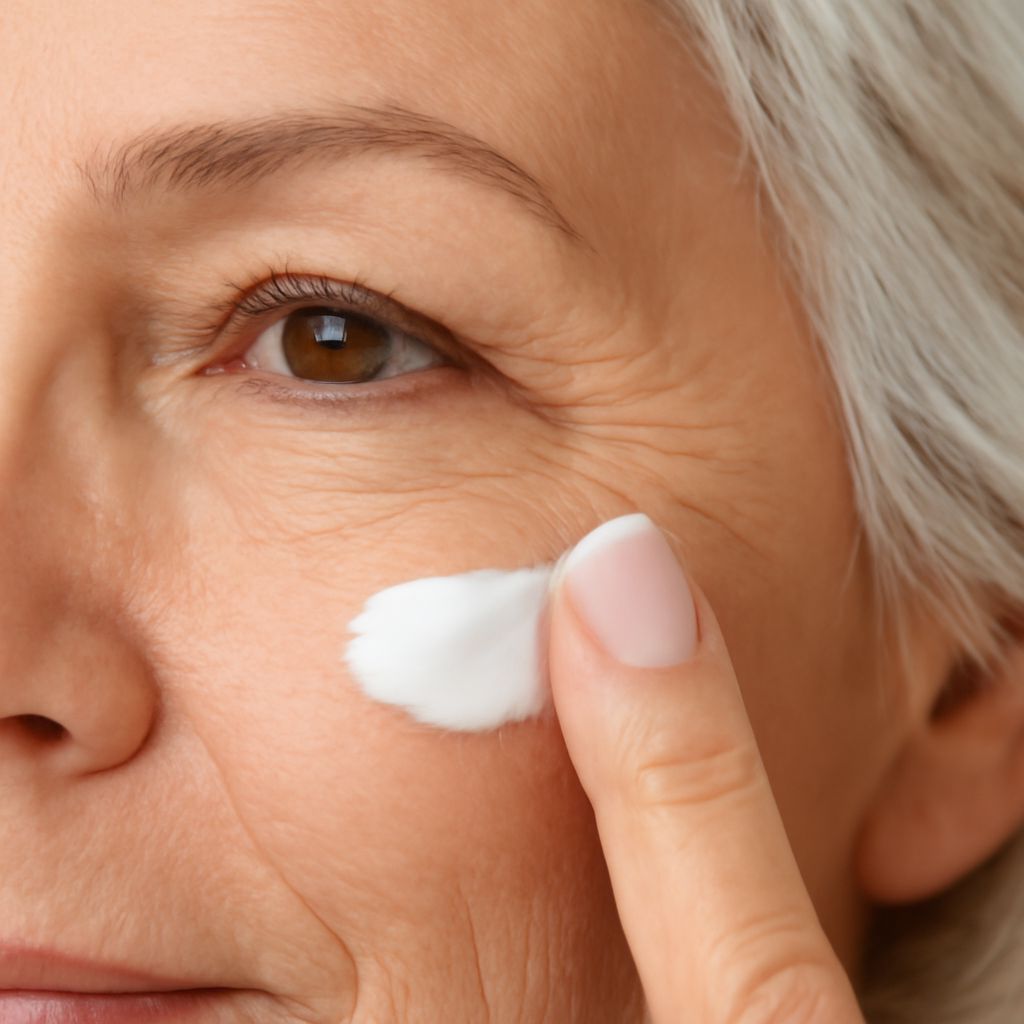
Crepey skin can be a frustrating and distressing issue, especially when it appears on the neck and upper arms. This condition, characterized by thin, wrinkled, and fragile skin, affects many individuals as they age. However, understanding the causes of crepey skin and exploring effective treatments can lead to significant improvements. With the right approach, dealing with this skin concern becomes manageable and less daunting.
By using the best products for crepey skin and adopting specific lifestyle changes, you can effectively address this issue. Whether you’re looking to understand what is crepey skin or seeking ways to get rid of crepey skin, this article provides insightful information and practical solutions.
What Causes Crepey Skin?
Understanding the Texture
Crepey skin resembles the thin, crinkly texture of crepe paper. It occurs when the skin loses its elasticity and firmness, often due to a decrease in collagen production. This issue typically arises with age, but other factors can accelerate its development.
Factors Contributing to Crepey Skin
Several factors contribute to the formation of crepey skin. Prolonged sun exposure is a primary cause, as UV rays break down collagen and elastin fibers. Additionally, environmental pollutants and smoking can exacerbate skin degradation. Lastly, rapid weight loss can also lead to sagging skin, contributing to its crepey appearance.
How to Get Rid of Crepey Skin on Neck and Upper Arms
Effective Treatments and Remedies
There are several ways to tackle crepey skin on the neck and upper arms effectively. Topical treatments, such as retinoids, can stimulate collagen production and improve skin texture. Additionally, procedures like laser therapy and chemical peels can offer more immediate results by promoting skin rejuvenation.
Lifestyle Changes for Healthier Skin
Adopting certain lifestyle changes can also help combat crepey skin. Regular exercise boosts circulation, supporting healthy skin renewal. Moreover, incorporating a balanced diet rich in antioxidants aids in skin repair and maintenance. Protecting your skin from excessive sun exposure by using sunscreen is crucial to prevent further damage.
Best Products for Crepey Skin
Top Recommendations
Choosing the right skincare products can make a significant difference in the appearance of crepey skin. Look for creams and serums that contain hyaluronic acid, which hydrates and plumps the skin. Products with peptides are also beneficial as they support the skin’s natural repair processes.
Ingredients to Look For
When selecting products, focus on those containing retinol, vitamin C, and glycolic acid. These ingredients help to increase collagen production and improve skin elasticity. Additionally, moisturizing agents like shea butter and glycerin provide essential hydration, aiding in skin smoothness and firmness.
How Can Diet and Hydration Help with Crepey Skin?
Nutritional Tips
A well-balanced diet plays a crucial role in maintaining healthy skin. Consuming foods rich in vitamin E, omega-3 fatty acids, and antioxidants can support skin health. Incorporating leafy greens, nuts, and fatty fish into your meals can offer vital nutrients that enhance skin texture.
Importance of Staying Hydrated
Hydration is vital for skin health, as it helps maintain skin elasticity and prevents dryness. Drinking adequate water throughout the day and consuming water-rich fruits and vegetables can aid in keeping your skin hydrated from within. This simple step can significantly improve the appearance of crepey skin.
Preventing Crepey Skin: Tips and Advice
Long-term Strategies
To prevent crepey skin, adopting long-term skincare strategies is essential. Regular exfoliation helps remove dead skin cells, promoting a smoother appearance. Additionally, using anti-aging products consistently can delay the signs of aging and maintain skin firmness.
Protective Measures
Taking protective measures, such as wearing protective clothing and applying a broad-spectrum sunscreen, can safeguard the skin from harmful UV rays. Limiting sun exposure, especially during peak hours, can prevent collagen breakdown and keep your skin looking youthful and healthy.
Safety Recap: When using treatments and products for crepey skin, always perform a patch test to check for sensitivity. Consult with a dermatologist for personalized advice, especially when considering procedures like laser therapy. Protect your skin by following sun safety guidelines to prevent further damage.




Leave a Reply