
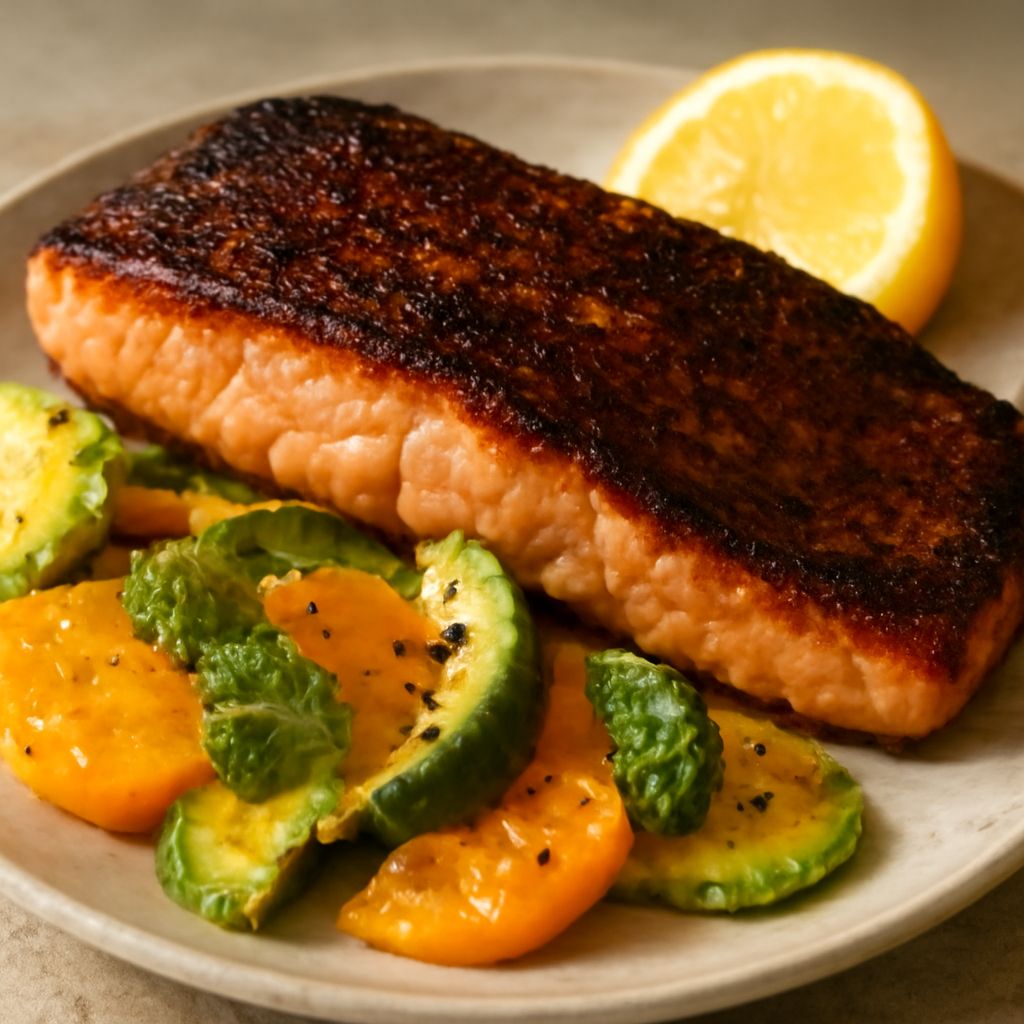
For many culinary enthusiasts, deciding whether to cook salmon skin up or down can be a perplexing dilemma. The texture and taste of this popular fish can vary significantly based on how it’s prepared. In this guide, we’ll explore the pros and cons of baking salmon skin side up or down and provide expert tips to help you achieve the perfect result every time.
Whether you’re grilling or baking, knowing when to place salmon skin side up or side down can make all the difference. From enhancing flavor to optimizing nutrient retention, understanding the science behind these techniques will elevate your culinary skills and ensure delicious meals. Let’s dive into the details on how to best approach cooking salmon skin, ensuring your dishes are both delectable and nutritious.
Why Does Cooking Salmon Skin Up or Down Matter?
Texture and Flavor Considerations
Cooking salmon skin side up or down significantly impacts the fish’s texture and flavor. When the skin is cooked facing downward, it tends to crisp up nicely, providing a delightful contrast to the tender flesh above. Conversely, cooking salmon with the skin side up allows the flesh to absorb more aromas from any seasoning or marinades, enhancing its taste substantially.
Impact on Nutrient Retention
The skin acts as a protective barrier, helping to keep the salmon fillet moist and retain essential nutrients. Cooking salmon skin side down generally aids in preserving more of the fish’s valuable omega-3 fatty acids and other nutrients. This approach minimizes nutrient loss, ensuring that your dish is as healthy as it is tasty.
When to Cook Salmon Skin Side Up
Grilling Techniques
Grilling salmon with the skin side up is ideal when you want to infuse the fish with smoky flavors. This method allows the top of the fillet to get a nice charred finish, while the skin, being less exposed to direct heat, stays tender. It’s essential to ensure that the grill is well-oiled and preheated to prevent sticking.
Achieving Crispy Skin
If you’re seeking a crispy texture, starting with the skin side up allows the flesh to cook first, enabling the skin to crisp up beautifully without overcooking the entire fillet. Ensure that your grill or pan is hot enough to create that desired crunch without burning the skin.
When to Bake Salmon Skin Side Down
Oven Baking Tips
Baking salmon skin side down is a foolproof way to lock in moisture. This method allows the heat to penetrate from underneath, cooking the fillet evenly. It’s particularly effective for thicker cuts of salmon, where uniform cooking is crucial.
Balancing Moisture and Crispiness
For those who enjoy both moist flesh and crispy skin, start by baking the salmon skin side down, then finish it under the broiler. This two-step process ensures a succulent interior while achieving a perfectly crisped exterior.
Expert Tips for Perfect Salmon Skin
Using the Right Tools
Investing in quality non-stick cookware or a well-seasoned cast iron skillet can prevent the skin from sticking, making cooking and cleanup much easier. Additionally, using a fish spatula helps in flipping and handling the salmon without tearing the delicate flesh.
Common Mistakes to Avoid
Avoid overcrowding the pan, as this can lead to steaming rather than searing, resulting in less crispy skin. Also, resist the urge to flip the salmon too soon; patience is key to achieving that perfect golden-brown crust.
Frequently Asked Questions About Salmon Skin
Can You Eat Salmon Skin?
Yes, salmon skin is edible and packed with nutrients. When cooked properly, it can be a delicious and crunchy addition to your meal. However, ensure that the skin is from a reputable source and has been cleaned thoroughly to avoid contaminants.
Benefits of Eating Salmon Skin
Salmon skin is rich in omega-3 fatty acids, which are beneficial for heart and brain health. It also contains collagen, which supports joint and skin health. Including the skin in your diet can enhance the nutritional value of your meal.
Conclusion: Best Practices for Cooking Salmon Skin
The key to cooking salmon skin, either up or down, lies in understanding your desired outcome. For crispiness and charred flavor, consider grilling skin side up. For moisture retention and nutrient preservation, baking skin side down is the way to go.
Ultimately, the choice depends on personal preference and the specific dish you’re preparing. With these expert tips and techniques, you’ll be well-equipped to enjoy a perfect piece of salmon every time.





Leave a Reply