
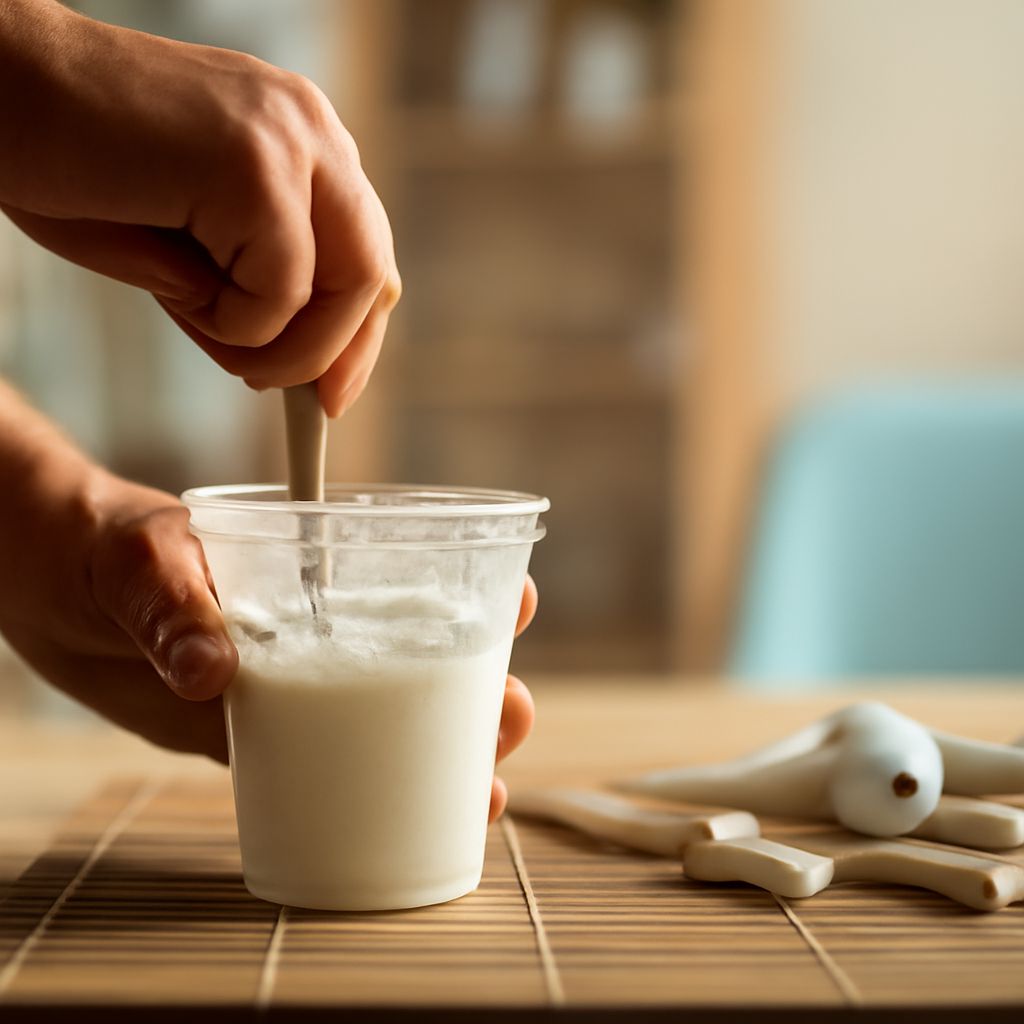
Many people wonder, “Does toothpaste help acne?” as they search for quick fixes to unexpected breakouts. This home remedy has been passed down through generations, often touted as a convenient and cost-effective solution to those pesky pimples. However, understanding the potential benefits and risks of using toothpaste for acne is crucial before you apply it to your skin.
While toothpaste is widely believed to work due to its drying properties, it’s essential to explore whether it holds any scientific merit or if alternative methods might provide better results. In this article, we’ll dive into how toothpaste acne treatments compare to traditional solutions and investigate the potential of using potato skin for healthier skin.
What Is the Connection Between Toothpaste and Acne?
Understanding the Ingredients in Toothpaste
Toothpaste typically contains ingredients like baking soda, hydrogen peroxide, and alcohol, known for their drying effects. These components are thought to reduce the size of acne by drying out the pimple. However, many toothpastes also contain fluoride and sodium lauryl sulfate, which can irritate the skin, especially for those with sensitive skin types.
The Science Behind Toothpaste Acne Remedies
The belief that toothpaste can treat acne stems from its ability to dry out pimples. The drying effect of certain ingredients in toothpaste might temporarily reduce swelling and redness. However, this is not a scientifically-backed acne treatment, and its effectiveness has not been proven in clinical studies. Instead, these ingredients might lead to skin irritation, causing more harm than good for some users.
How Effective Is Toothpaste for Acne Treatment?
Pros and Cons of Using Toothpaste on Skin
Using toothpaste as a spot treatment for acne comes with its pros and cons. On the plus side, toothpaste is readily available and affordable. It can potentially dry out a pimple overnight, providing a temporary solution in emergencies. However, the downside includes the risk of skin irritation and possible allergic reactions, especially in individuals with sensitive or acne-prone skin.
Comparing Toothpaste and Traditional Acne Treatments
Traditional acne treatments, such as benzoyl peroxide and salicylic acid, are specifically formulated to treat acne, offering targeted benefits without the harshness of toothpaste. These treatments help to clear out pores, reduce inflammation, and prevent future breakouts. While toothpaste might provide a quick fix, traditional remedies are designed to provide long-term benefits with less risk of skin irritation.
Are There Alternatives to Toothpaste for Acne?
Exploring Natural Remedies
For those seeking alternatives to toothpaste for acne, natural remedies can provide a gentler approach. Tea tree oil is a popular choice due to its anti-inflammatory and antimicrobial properties. Aloe vera, known for its soothing qualities, can reduce inflammation and promote healing without the risk of irritation.
Is Potato Skin Healthy for Acne-prone Skin?
Potato skin has emerged as an unconventional yet intriguing remedy for acne-prone skin. Rich in vitamins and antioxidants, it may help soothe inflamed skin and reduce redness. Although not as widely studied as other treatments, using potato skin is considered safe for most skin types and offers a natural alternative to harsher chemical treatments.
How Can You Safely Use Toothpaste on Skin?
Steps to Apply Toothpaste on Acne
If you choose to test toothpaste for acne treatment, it’s important to follow these steps to minimize risks:
- Select a plain, white toothpaste without added whitening agents or flavors.
- Apply a small amount directly onto the pimple, avoiding the surrounding skin.
- Leave the toothpaste on for no more than a couple of hours, preferably overnight.
- Rinse thoroughly with lukewarm water and apply a moisturizer to prevent dryness.
Precautions to Consider
Before applying toothpaste to your skin, conduct a patch test on a small area to check for any adverse reactions. Avoid using toothpaste on large areas of the face or on broken skin. If you experience burning, itching, or increased redness, discontinue use immediately. Consult a dermatologist for persistent or severe acne to explore safer, more effective treatment options.
Key Takeaways: While toothpaste might offer a temporary solution for acne, it is not an ideal or scientifically-backed treatment. Consider traditional acne treatments or natural remedies like tea tree oil and aloe vera, which offer proven benefits with fewer risks. Always prioritize skin safety and consult a professional for persistent skin issues.



Leave a Reply